Feb 22, 2026
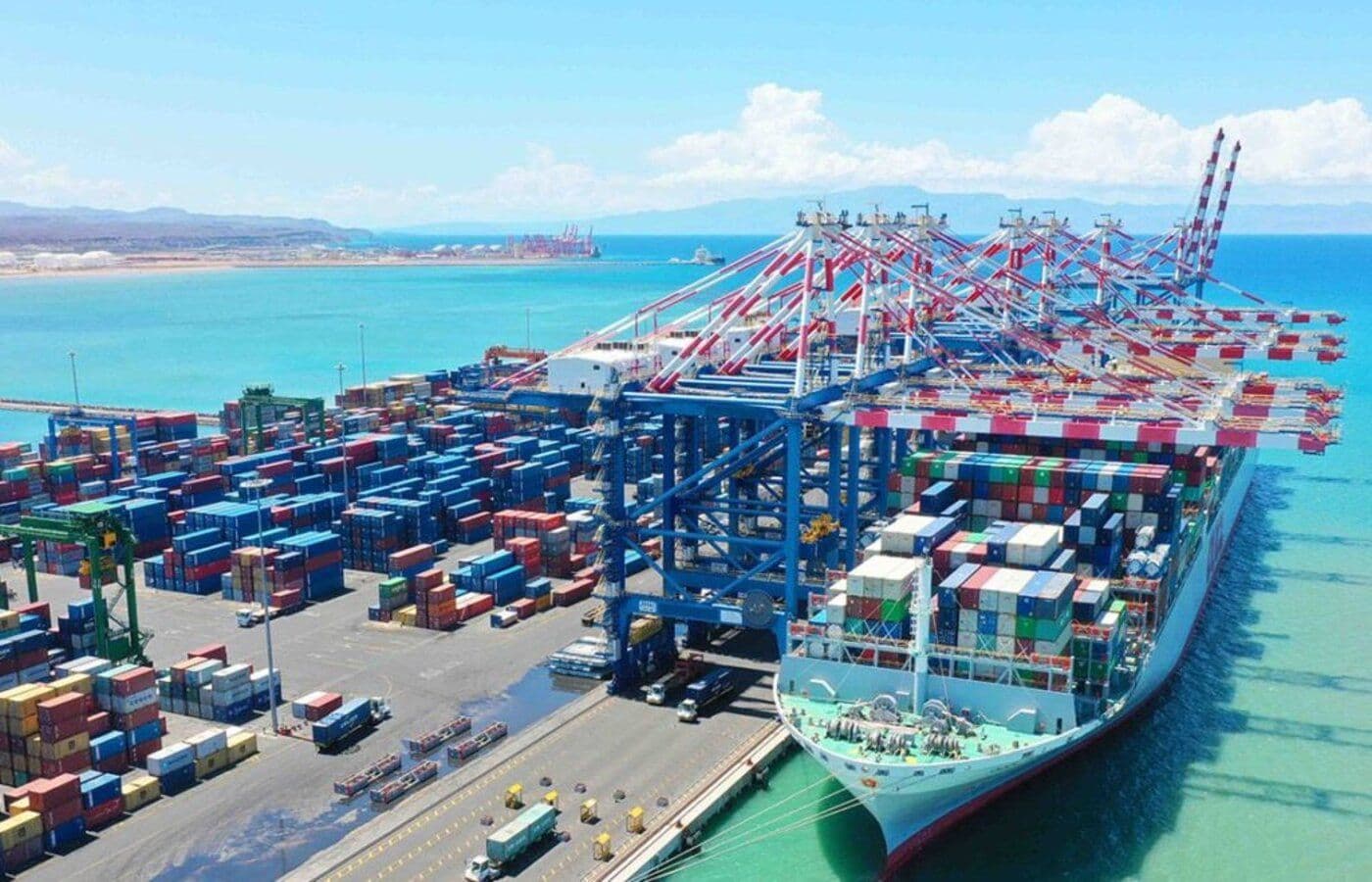
By November 2026, Ethiopia and Djibouti will have direct connection of key strategic ports to their shared 756-km Addis Ababa-Djibouti electrified railway, in a move that aims to enhance the efficiency of Ethiopia’s import-export trade.
Ethiopia currently relies on Djibouti ports for 95% of its import-export, more than 30 years after the Horn of Africa country of more than 135 million people was rendered landlocked after the cessation of Eritrea in 1993, through shady deals and blackmail that involved foreign actors.
The initiative reflects a renewed focus by Ethiopian Prime Minister Abiy Ahmed on streamlining logistics to support Ethiopia's growing trade volume, particularly for imports of capital goods and exports of agricultural products.
The agreement reached between Djibouti and Ethiopia this month provides for connecting the Doraleh Multipurpose Port (DMP) and the Horizon Djibouti Terminals Limited (HDTL) oil terminal directly to the railway line.
The move is believed to strengthen industrial linkage as the plans also include connecting the railway to the Djibouti Damerjog Industrial Development zone boosting industrial, as well as cargo, logistics.
The construction and technical studies for these expansions are set to be completed within nine months (by late 2026), according to reports including by the Addis Ababa-based English weekly, Capital.
Currently, only the SGTD container terminal is directly linked, and this expansion will speed up cargo movement and reduce logistics costs.
Following six years of operation by Chinese contractors, the railway is now under the full control of Ethiopian and Djiboutian operators, which has significantly improved profitability and increased cargo volume.
The railway already reduces transit time for goods from three days (by road) to roughly 12 hours.
This agreement is part of a broader effort to improve logistical efficiency in the Horn of Africa, with plans also involving the development of the DESSU (Djibouti-Ethiopia-South Sudan-Uganda) Corridor.