Africa Faces Up To $20B Economic Hit As Super El Niño Threat Grows
Jul 27, 2026
Save

African climate experts are warning that a potential "super" El Niño could inflict between $10 billion and $20 billion in economic losses across the continent, threatening agriculture, food security, infrastructure and economic growth if governments fail to strengthen preparedness and climate resilience.
Speaking ahead of the next UN climate talks, Anthony Nyong, Director of Climate Change and Green Growth at the African Development Bank (AfDB), said the continent remains highly vulnerable to increasingly severe weather extremes, despite contributing the least to global greenhouse gas emissions.
Recommended News
With $2B Already Deployed, Afreximbank Mulls New Angola Oil, Gas Investment
Morocco Skips Spanish Overland Routes to Open New Maritime Corridors to European Market
Dangote Locks In 16M Barrels of Domestic Crude for October
Ghana’s Economy Grows 6.0% in Q2 2026, Led by ICT
Namibia Stock Exchange Plans Ownership Overhaul
He warned that prolonged droughts, floods and extreme temperatures could reduce GDP by 1 – 2 percent in the hardest-hit countries while disrupting livelihoods and increasing humanitarian pressures.
Agriculture is expected to bear the brunt of the impact, with farmers already experiencing significant income losses from erratic weather. Experts warn that crop failures, declining livestock production and reduced fisheries could drive food prices sharply higher, deepen food insecurity and place millions of people at greater risk across vulnerable regions, particularly in East and Southern Africa.
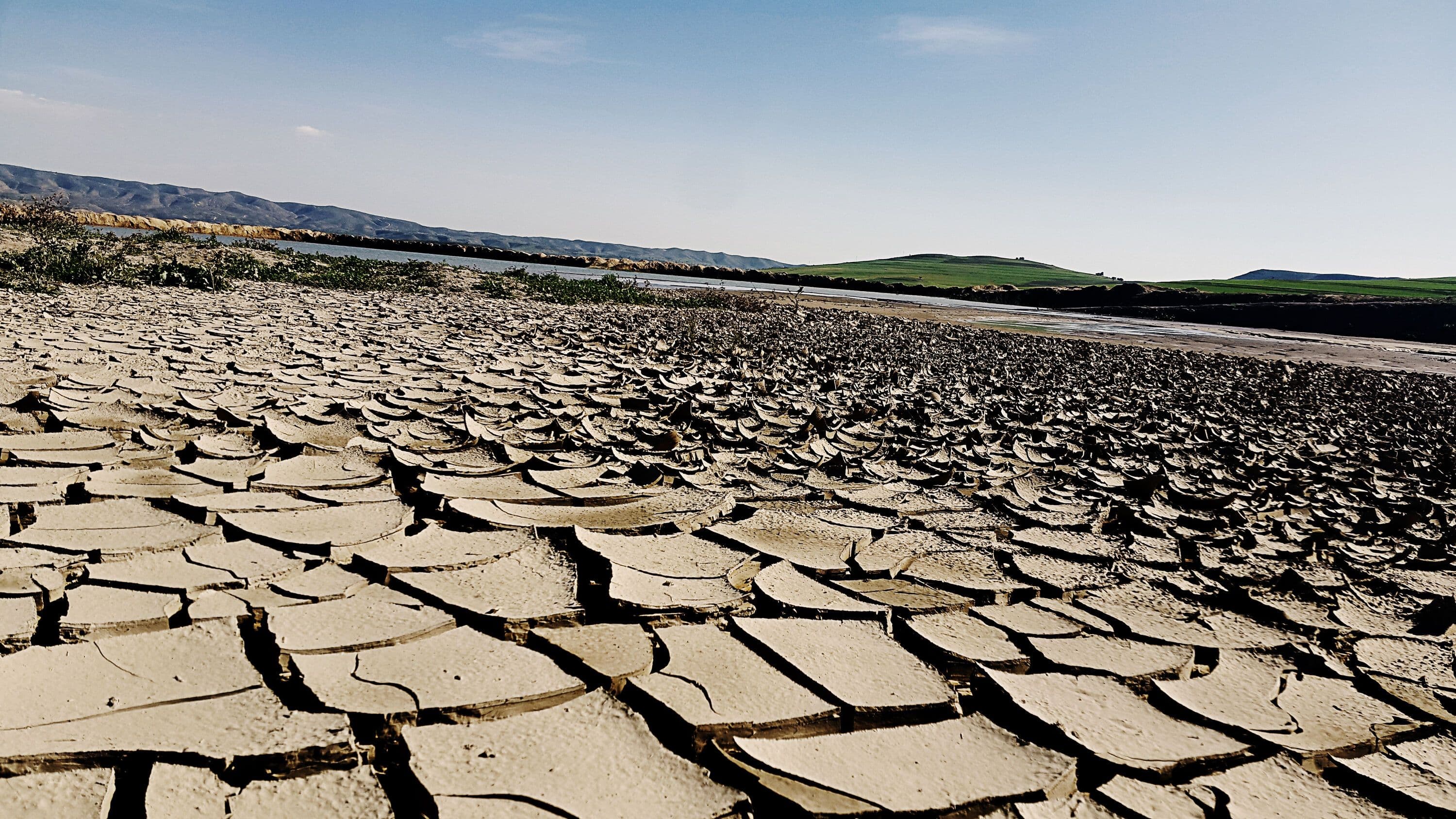
The AfDB also cautioned that climate-related disasters could intensify migration, strain public finances and undermine development gains as governments divert resources from health, education and infrastructure to emergency response. The bank estimates Africa could require up to $100 billion this year alone to strengthen climate adaptation and resilience, far exceeding current international climate finance flows.
Scientists note that while forecasts continue to be refined, historical super El Niño events have triggered devastating droughts, floods and heatwaves across Africa. They are urging governments to invest in early warning systems, climate-smart agriculture, resilient infrastructure and disaster preparedness to reduce the economic and social costs of future climate shocks.
A rapidly intensifying El Niño developed in the tropical Pacific in June 2026 and is tracking toward a potential "super" or historically strong event by late 2026.
Climate models indicate high probabilities for continued dominance through the year, driving major spikes in global temperature averages and severe weather risks worldwide, according to the World Meteorological Organization.