Nov 8, 2025
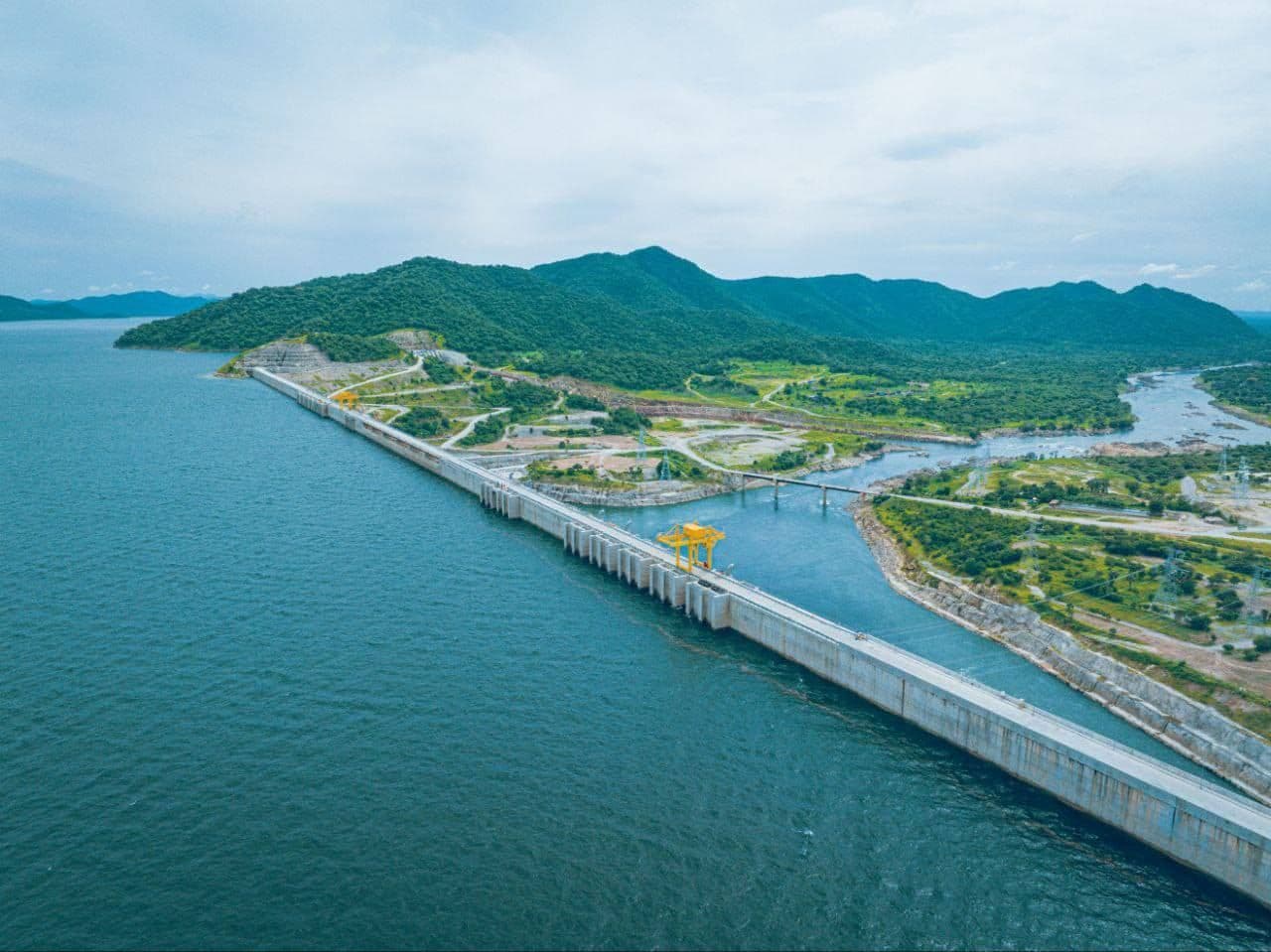
The Grand Ethiopian Renaissance Dam (GERD) is not only rewriting the hydrological map of the Nile Basin. It is giving rise to new life.
It is true that the dam’s creation has transformed the landscape into a cradle of biodiversity and opportunity.
Scientists and environmental observers say the newly formed islands could become vital habitats for birds and aquatic life, while also offering potential for eco-tourism and regional development.
Among its remarkable impacts is the emergence of Nigat Lake, a vast new water body forming around the dam’s vicinity.
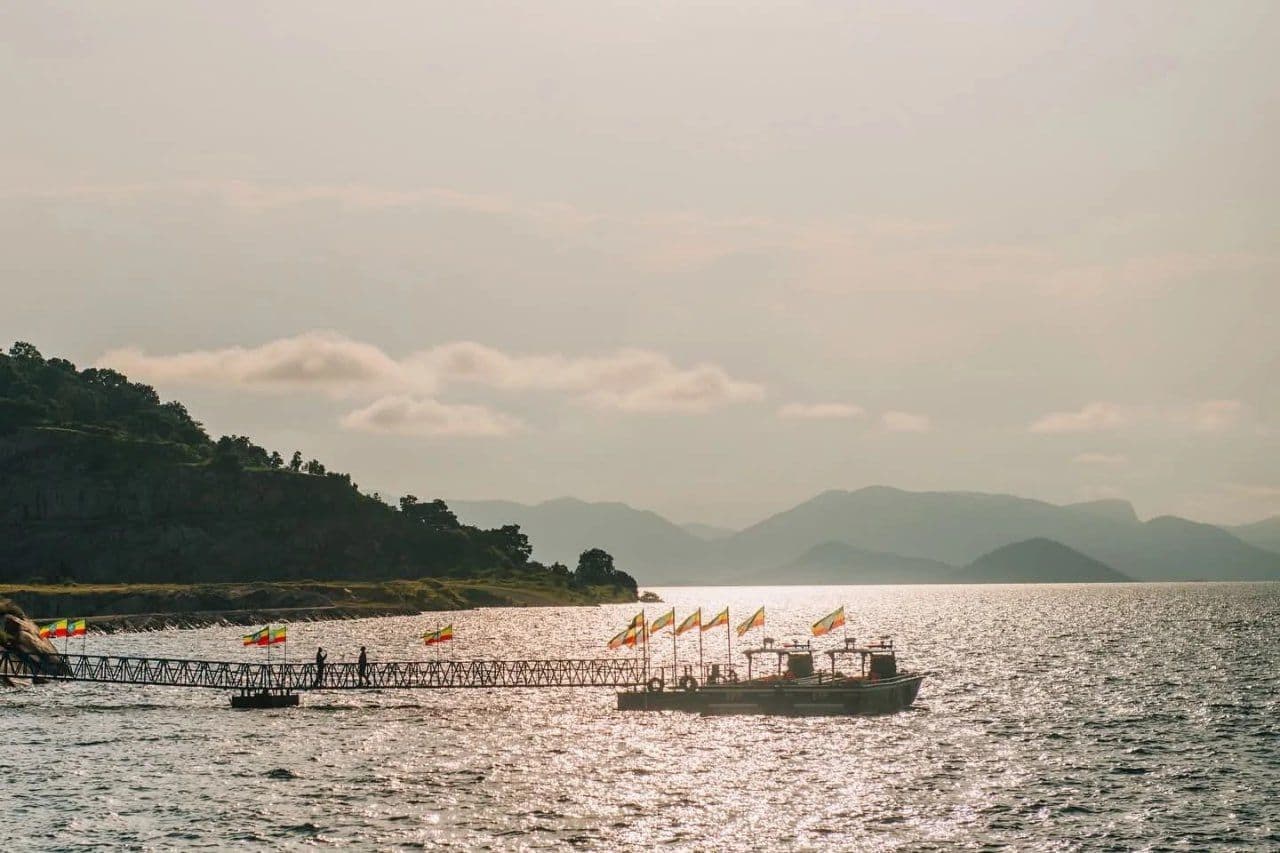
This transformation symbolizes more than a geographical change; it marks a new dawn for the Nile riparian sustainable development and stands as a beacon of hope for Africa’s quest for energy security, resilience, and shared prosperity.
Aptly named "Nigat," meaning "Dawn" in Amharic, this massive reservoir is one of the largest artificial water bodies in the world, stretching 246 kilometers in length and holding up to 74 billion cubic meters of water.
For Ethiopia, Lake Nigat is more than a byproduct of engineering—it is a new inland sea, a landscape-altering feature that will shape ecology, livelihoods, and geopolitics for generations.
symbolizes a new era of hope, self-reliance, and prosperity for Ethiopia. Beyond its primary role in generating electricity, Nigat Lake is rapidly transforming into a vibrant hub for a burgeoning fishing industry, a promising tourism destination, and a powerful example of self-financed development for the entire African continent.
A Bounty of Fish: Feeding a Nation and Fueling an Economy
Nigat Lake, one of the largest man-made reservoirs in Africa with a capacity of up to 74 billion cubic meters, is teeming with aquatic life. This has catalyzed a remarkable boom in fish production, significantly boosting the local and national economy. In the 2024/25 Ethiopian fiscal year, over 5,895 tons of fish were harvested from its surrounding artificial lakes, showcasing the immense productivity of this new ecosystem. Daily fish production from the dam has already surpassed 14,000 kilograms.
The diverse fish species, including the highly-prized Nile Perch and the popular "Korosso" fish, are in high demand in markets across Ethiopia. This thriving fishing sector is not just about impressive yields; it's about creating sustainable livelihoods. The development has spurred the establishment of 64 fisheries associations, providing employment for hundreds of young people who receive training in modern fishing techniques and net usage. The region has the potential to produce up to 15,000 tons of fish annually, a goal that authorities are actively working towards by providing technical support and necessary resources like boats and nets.
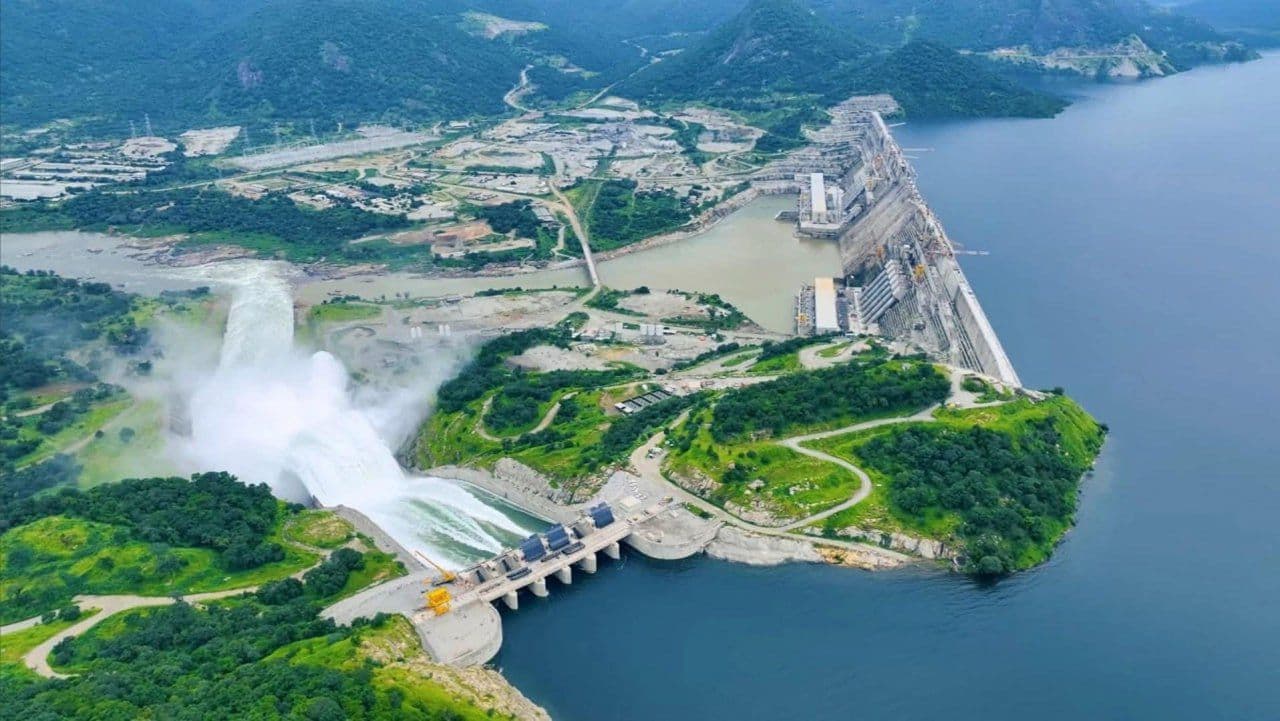
A New Frontier for Tourism: Unveiling Ethiopia's Watery Gem
With its stunning panoramic vistas, more than 70 islands, and rich biodiversity, Nigat Lake is poised to become a premier tourism destination in Ethiopia. The Ethiopian government, recognizing this immense potential, has already begun to open the GERD to public visits, with plans to develop a range of tourist activities.
Tourism experts envision a future where lakeside lodges and floating resorts dot the shores of Nigat Lake. Visitors will be able to enjoy a variety of recreational activities, including boat tours, water sports, and sport fishing. The burgeoning fishery will also support local restaurants and gastro-tourism, offering visitors a taste of the local culinary delights.
The development of tourism around Nigat Lake is part of a broader strategy to transform the Benishangul-Gumuz region into a major tourism hub. The area also boasts other attractions, including the Didessa and Alatish National Parks, home to diverse wildlife. This integrated approach to tourism development is expected to create significant job opportunities for local communities and contribute substantially to the national GDP. To ensure the safety and security of this vital national asset and its visitors, Ethiopia's Coast Guard has commenced operations on Nigat Lake, equipped with modern surveillance and communication technology.
A Model for Africa: A Testament to Self-Reliance
Perhaps one of the most significant aspects of the GERD and the creation of Nigat Lake is the story of its financing. Unlike many large-scale infrastructure projects in Africa that rely on foreign loans, the GERD was funded by the Ethiopian people, through public contributions and government investment. This remarkable achievement in self-reliance has been hailed by journalists and leaders across Africa as a powerful symbol of economic independence and a compelling model for other nations on the continent.
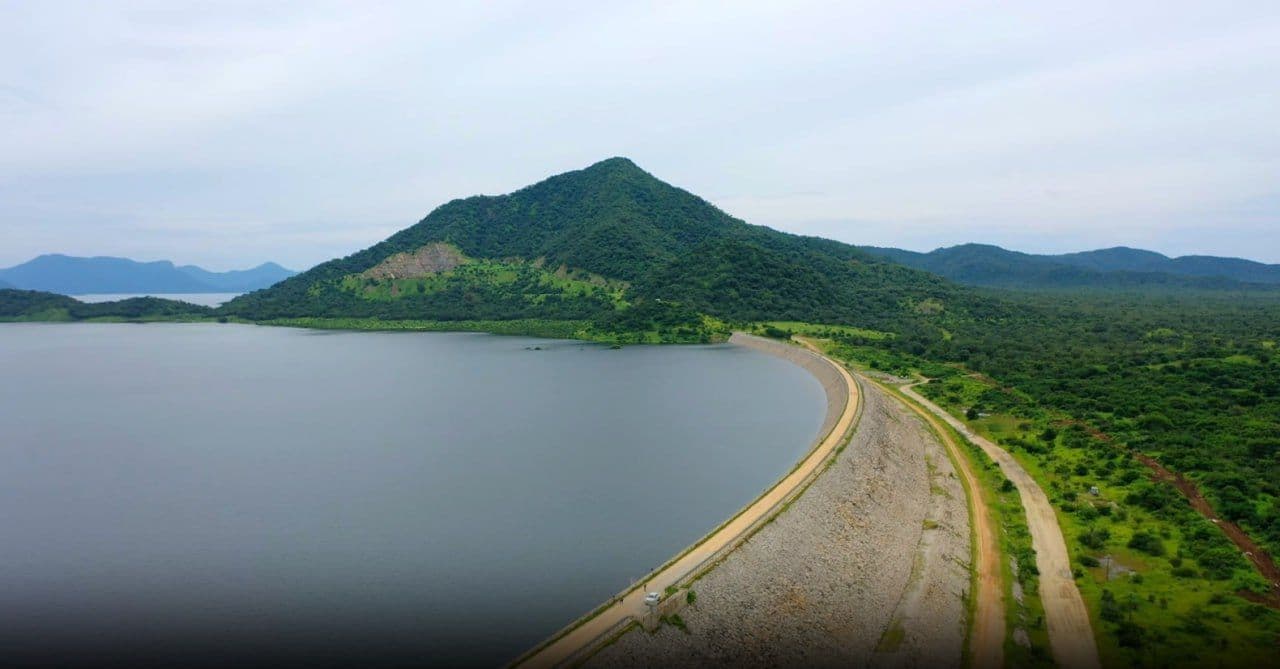
The GERD demonstrates that African nations can mobilize their own resources to achieve transformative development goals. By harnessing the power of the Nile to generate over 5,000 megawatts of electricity, Ethiopia is not only addressing its own energy needs but is also poised to export power to neighboring countries, fostering regional economic integration and energy security. The successful completion and operation of the GERD is a source of national pride and a testament to the country's vision and determination.
In conclusion, Nigat Lake, born from the waters of the Grand Ethiopian Renaissance Dam, stands as a living testament to Ethiopia’s vision and resilience. What began as an engineering dream has evolved into a transformative force—reviving ecosystems, powering industries, and inspiring hope across the continent. As this “Lake of Dawn” continues to expand its bounty of life and opportunity, it reflects not only Ethiopia’s journey toward self-reliance but also Africa’s broader awakening to its own potential. The rise of Nigat Lake is more than the reshaping of a landscape. It is the reshaping of destiny, marking a new era where Africa’s development is written by African hands and fueled by African ambition.