Apr 21, 2026
By Mesai M.
As the world gets ready for COP32, attention is shifting to Ethiopia. Hosting this colossally significant global meeting is quite an achievement for Africa, not just because of the event itself, but because it shows Africa is ready to lead the fight against climate change.
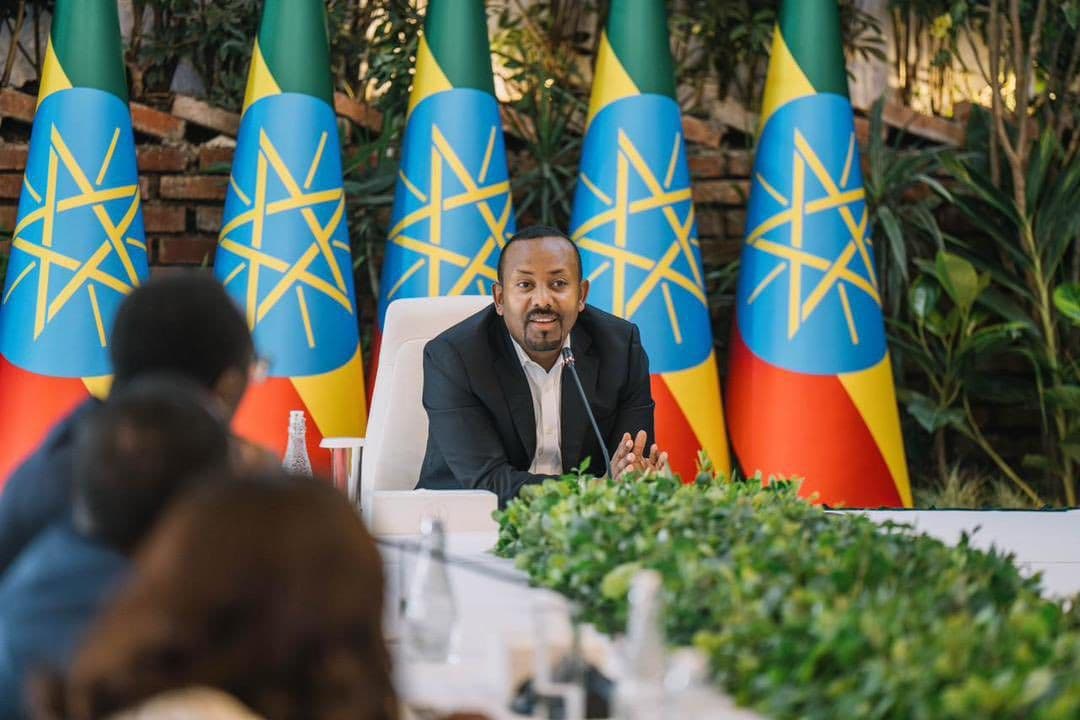
Preparations for the global gathering are already in motion. Prime Minister Abiy Ahmed recently convened the National Steering Committee tasked with overseeing Ethiopia’s hosting of the 32nd UN Climate Change Conference (COP32) in 2027. He confirmed that the country has officially launched its early preparations, highlighting Ethiopia’s rising role in global climate leadership. The committee, composed of key national figures, is guiding the process with clear direction, while initial groundwork has already begun at the presidential level. This landmark event holds major significance for the global community, particularly Africa, and preparations are advancing with that shared sense of purpose.
From Aid to Equity
For many years, Africa has been hard hit by climate extremes and burdened with debt. But with COP32, Africa is rising to the challenge, demonstrating the strength to lead in clean energy and sustainable development, and to play a major role in shaping global climate strategies.
For years, African leaders have had to deal with a global financial system that often does not address Africa's particular needs. Although Africa contributes less than 4% of the world's greenhouse gases, it still faces most of the climate-related disasters. Hosting COP32 in Addis Ababa, the political center of Africa, gives the continent a special opportunity to speak up and share its concerns on the world stage.
The African Union has made it clear: "Africa’s climate finance needs are not charity; they are a matter of fairness, justice, and shared global responsibility." When the 54 African countries speak together as one, they are changing the way the world talks about support—moving away from words like "aid" and focusing instead on "fairness" and "responsibility."
Africa as a Solution Provider
As the world comes together for COP32, a change is happening in how Africa is viewed. No longer just seen as a victim of climate change, Africa is now being recognized as an important part of the solution. At the heart of Africa’s new leadership in fighting climate change are its incredible natural resources. The focus is shifting to Africa’s rich natural resources and potential for green energy. Instead of only needing help, Africa is starting to be seen as a leader in creating a sustainable future for the planet.
One of the most important ecosystems is the huge forests of the Congo Basin. These forests are some of the largest and most important in the world because they act like giant sponges, absorbing huge amounts of carbon dioxide from the air. This helps to keep the Earth's climate balanced and prevent it from warming too much.
These forests are more than just beautiful landscapes, rather they are a crucial part of the global effort to fight climate change. By protecting and preserving these forests, Africa has the power to reduce harmful emissions on a very large scale. Here it depicts how Africa is not just a victim of climate change but also a key player in finding solutions to protect our planet for the future.
At the same time, Africa is becoming a major source of important "green minerals" such as lithium and cobalt. These minerals are essential because they are used to make batteries and other clean energy technologies, which are key to reducing pollution and fighting climate change. As countries around the world speed up their shift to renewable energy like solar and wind power, Africa's rich mineral resources give it a crucial role in supplying the materials needed for these technologies. This makes Africa an essential part of the global effort to create a cleaner, greener future.
Recent research suggests that if Africa uses its natural resources wisely and responsibly, it could experience a major economic revival. Experts estimate that by focusing on sustainable and careful use of these assets, Africa could grow at an impressive rate of about 7.7% each year. What’s even more encouraging is that this kind of growth would not just boost the economy; it could also lead to a significant drop in carbon emissions of about 7.5% less than what current trends predict. This shows that Africa can develop and improve its economy while also taking good care of the environment, proving that progress and environmental protection can go hand in hand.
Ethiopia is a great example of how Africa can use its natural resources to grow and protect the environment. The country has a plan called the Climate-Resilient Green Economy (CRGE), which shows how Africa can develop in a way that is good for both the economy and the environment. A key part of Ethiopia’s effort is involving local communities like the "Health Development Army" which strives to help deal with climate-related health problems and support sustainable growth. This shows that by working together and using local ideas, a country can improve people’s lives and protect the planet at the same time. Ethiopia’s "Green Legacy" initiative, led by the Prime Minister, is an example of this effort, planting countless of trees to fight climate change and create a greener future.
Africa’s story is changing from one of weakness to one of strong leadership. By wisely using its natural resources, the continent is ready to take on a bigger role in the world. Africa has the potential to become a leader in creating solutions for a sustainable future, inspiring the entire world to work toward a greener and better tomorrow.
Pushing for Climate Justice and Financial Reform
One of the main topics at the upcoming COP32 climate summit will be tackling a big problem that has long held Africa back from developing in a sustainable way. This problem is known as the "structural trap." It describes the ongoing financial barriers that prevent many African countries from investing enough in their future on whether it is protecting their environment or growing their economies. Even though these countries urgently need to become more resilient to climate change and create jobs, they often find themselves stuck in a difficult cycle. Africans have to borrow money at high costs, which makes it harder to pay back loans and limits their ability to invest in important projects. Breaking out of this trap is essential for Africa to build a stronger, greener, and more prosperous future for its people.
Currently, African countries spend about 13% of their total budget on paying off debt. Much of this money goes toward interest payments rather than important services like healthcare, education, or building roads and bridges. This means there is less money available to invest in fighting climate change or supporting sustainable growth.
Even more concerning is the high cost of borrowing. African nations often have to pay very high interest rates which is between 15% and 18% when they borrow money. That is up to eight times more than what wealthy, industrialized countries pay. This makes it even harder for African countries to finance vital projects, such as building sea walls to protect against rising sea levels or investing in clean, renewable energy sources. All of this adds to the financial challenges they face in trying to build a better, more sustainable future.
At COP32, African leaders are expected to push for big changes in how global finances work. One of their main demands is to reform the current system that manages national debt, called the IMF-World Bank Debt Sustainability Framework. Africans want this system to be fairer and not to punish countries when they borrow money to fight climate change. Instead, it should see climate-related investments such as building renewable energy projects or protecting coastlines as vital for a country’s future, not as a heavy burden. The goal is to create a financial system that supports African nations in becoming more resilient and sustainable, rather than holding them back with unfair rules.
Another urgent proposal is to adopt the "Differentiated Pay" Model, a global carbon tax system that adjusts contributions based on a country's past emissions and income level. This approach seeks to ensure that the biggest polluters of those who have historically caused the most climate change are the ones to take responsibility for the costs associated with "Loss and Damage" in the Global South. It is a call for fairness and accountability, urging wealthy nations and high-emission countries to contribute their fair share and support those most affected by climate impacts.
Finally, Africa is advocating for a vision of green industrialization. The continent’s abundant reserves of green minerals such as lithium, cobalt, and others should be used to develop local industries that generate jobs and boost economic growth within Africa. Instead of just exporting these minerals for foreign profits, Africa wants to build local value chains that ensure the continent benefits fully from its natural resources. This approach aims to help Africa transition to a sustainable, inclusive economy where its natural wealth drives local development and prosperity.
In essence, COP32 is more than just about climate action; it is about breaking free from cycles of financial and structural barriers. It’s a call for justice, fairness, and strategic investment—empowering Africa to shape its own future and take a leading role in creating a more equitable and sustainable global climate landscape.
A Vital Leadership
The stakes of COP32 extend far beyond Africa’s borders. With one in four people on Earth expected to be African by 2050, the world’s climate success is closely tied to Africa’s prosperity. By hosting this event, Ethiopia and the continent are asserting that the path to a sustainable global future must be built on climate justice and African leadership.
As the sun rises over the diplomatic halls of Addis Ababa, the message to the world is clear: Africa is ready to lead the charge, ensuring that the next generation doesn’t just survive the storm, but thrives despite it.