The Green Legacy Shaping Africa’s Future
Jun 19, 2026
Save
By Mahder Nesibu
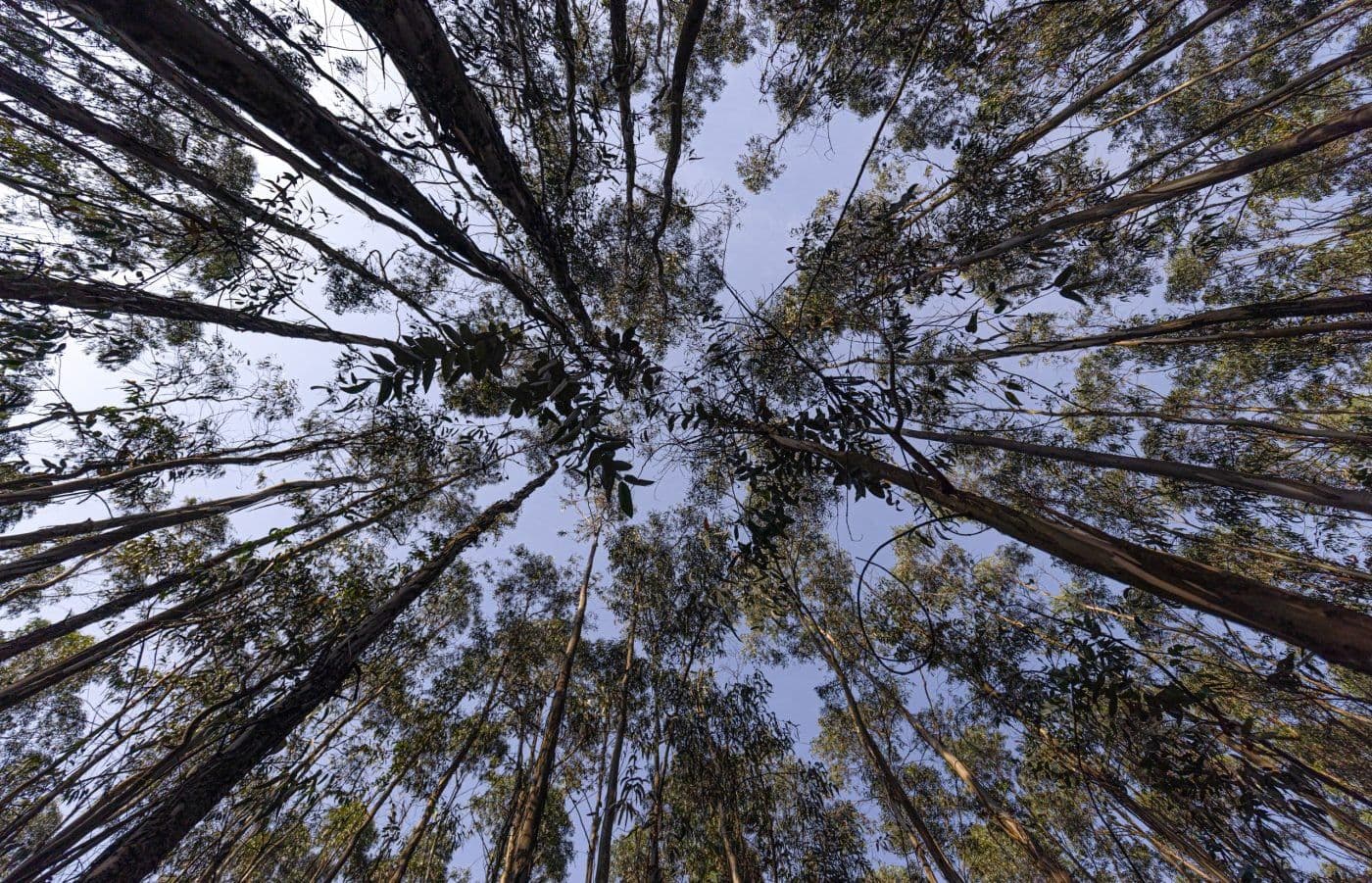
On June 15, Prime Minister Abiy Ahmed launched the eighth round of Ethiopia's Green Legacy Initiative, announcing a target of eight billion seedlings for the year and a long-term goal of 65 billion trees. "Today, we officially launched this year's Green Legacy Initiative," he wrote, calling on citizens nationwide to "join the movement and leave your green legacy for future generations." The campaign marks seven full years since the initiative's founding in June 2019, a period that has reshaped both Ethiopia's landscape and its standing in global climate diplomacy.
Recommended News
ECOWAS Parliament Urges Urgent Climate Action
African Parks Secures $4.6 Million to Scale Nature Finance
Climate Change Becomes ‘Economic Security Emergency’ as Extreme Weather Costs Europe €180 Billion
IFAD, Equity Group Launch $200 Million Climate Fund
WMO: Africa Must Close Early Warning Gaps to Protect Vulnerable Communities
The numbers behind that transformation are considerable. Ethiopia has planted more than 48 billion seedlings since 2019, mobilizing millions of citizens from every sector of society, including members of the national defense and security forces. The campaign has grown from an initial four-year target of 20 billion seedlings, achieved with room to spare, into a sustained annual undertaking that now ranks among the largest tree-planting programs in the world. In 2025 alone, the country staged a one-day mass planting event that produced 714.7 million seedlings, exceeding its own 700 million target and drawing participation from 21.6 million Ethiopians in a single day.
What distinguishes Green Legacy from earlier reforestation efforts is its institutional depth. The initiative operates through a National Green Legacy Technical Committee, with execution carried out at the regional and woreda levels and monitored through a dedicated Green Legacy Situation Room during peak planting periods. Nurseries have expanded from roughly 40,000 at the program's launch to more than 120,000, supplying both indigenous tree species and fruit-bearing varieties that link reforestation to household food security. In December 2024, Ethiopia's parliament unanimously ratified a proclamation establishing the Green Legacy Initiative and Degraded Land Rehabilitation Special Fund, giving the campaign a permanent legal and financial foundation beyond any single administration.
The environmental returns are documented and substantial. National forest cover has risen from 17.2 percent in 2019 to 23.6 percent, according to Ethiopia's Forest Cover report, a gain achieved alongside a marked reduction in annual deforestation rates. Ethiopian Forestry Development officials have linked the program to improved watershed protection, reduced soil erosion, and stronger agricultural productivity, particularly in coffee, one of the country's leading export crops. The initiative has created more than 767,000 jobs, concentrated among youth and women working in nursery management, seedling production, and land restoration. Forest expansion has also opened a new revenue stream through carbon trading, with Ethiopia securing approximately 70 million dollars through agreements with multilateral partners including the World Bank.
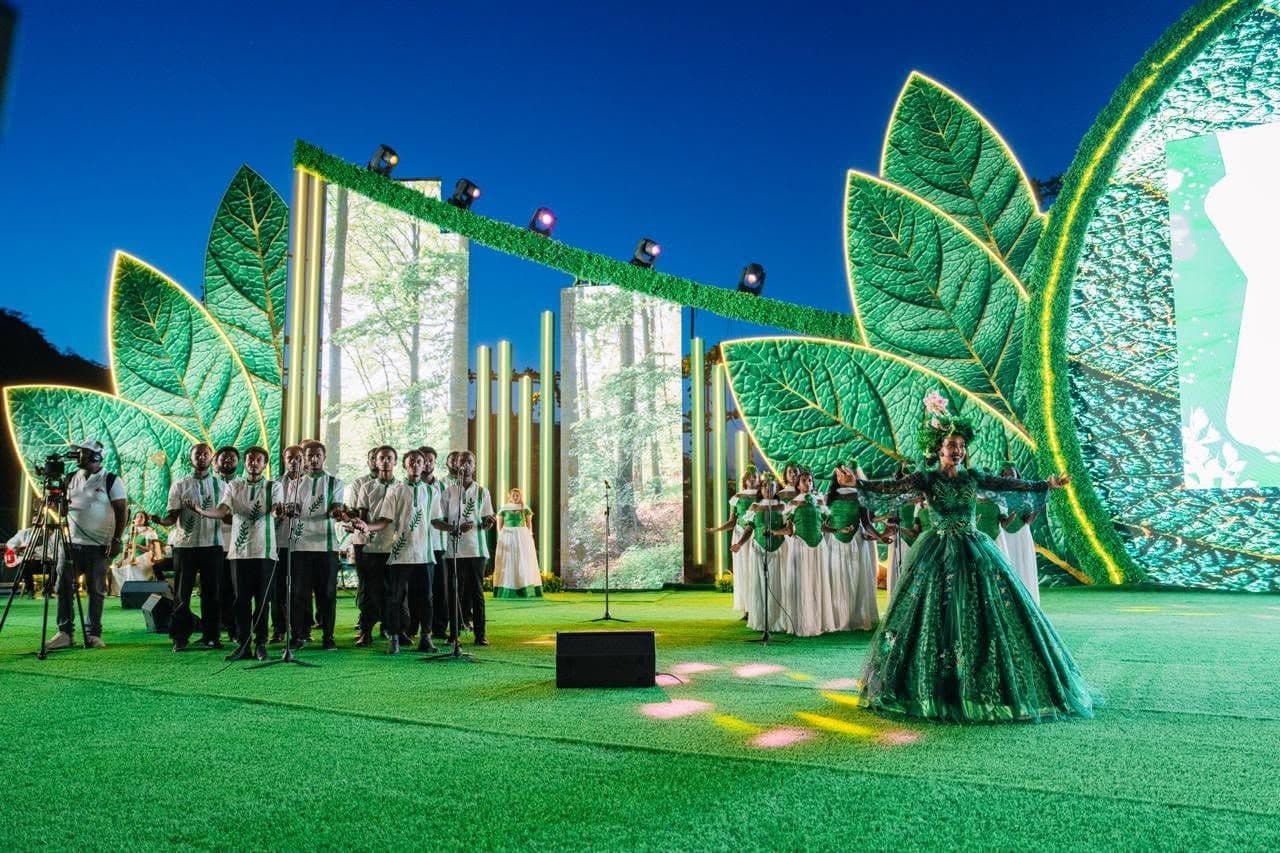
Green Legacy has become a fixture of Ethiopia's diplomatic calendar as much as its environmental one. Foreign officials visiting Addis Ababa have repeatedly singled out the program for praise. Nigeria's Vice President Kashim Shettima, attending the 2025 campaign launch alongside Prime Minister Abiy, described the initiative as "a lesson in vision, in purpose, and in audacity," and urged other African nations to adopt a similar model. Germany's Chargé d'Affaires in Addis Ababa, Ferdinand von Weyhe, called it an initiative that unites the whole population, noting its role in reversing forest loss and strengthening climate resilience. Colombia's Ambassador to Ethiopia, Yeison Arcadio Meneses Copete, described Green Legacy as an inspiration for leaders well beyond Ethiopia's borders. In October, the Food and Agriculture Organization presented Ethiopia with its Sustainable Forest Management and Use Award in Rome, a recognition that placed the program alongside the world's most effective national restoration efforts.
This international standing feeds directly into a broader claim to continental leadership. Ethiopia hosted the Second Africa Climate Summit in Addis Ababa from September 8 to 10, drawing more than 45 heads of state and over 25,000 delegates under the theme of financing Africa's resilient and green development. The summit produced the Addis Ababa Declaration on Accelerating Climate Action and Finance for Africa's Green Future, which committed the continent to mobilizing 1,000 African-led climate solutions by 2030 and called for an African Climate Facility capable of unlocking 50 billion dollars annually in climate finance. Closing the summit, Ethiopian President Taye Atske Selassie framed the moment as a turning point, describing Africa's transition from a continent burdened by climate vulnerability to one positioned as a hub for climate solutions and renewable energy.
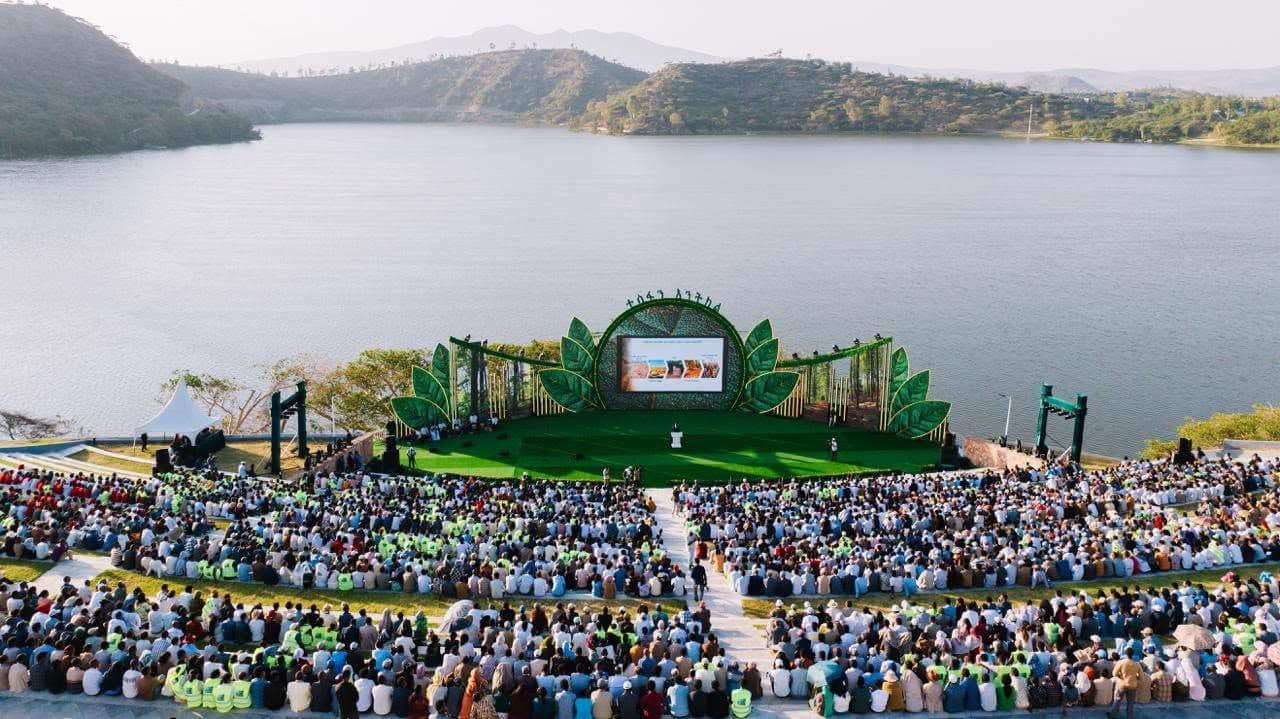
That positioning culminated in November, when the African Group of Negotiators endorsed Ethiopia's bid to host COP32, a decision formalized during COP30's closing plenary in Belém. Addis Ababa will welcome the conference in 2027, and African Union Commission Chairperson Mahmoud Ali Youssouf made the connection to Green Legacy explicit in his congratulatory statement, noting that under Prime Minister Abiy's leadership, Ethiopia "has championed bold climate initiatives, including its ambitious reforestation efforts and the Green Legacy programme, that continue to inspire action across Africa and beyond." Foreign Minister Gedion Timothewos has since been named President-Designate for the conference, and Ethiopian officials have framed the months ahead as a period of translating the Addis Ababa Declaration's commitments into concrete outcomes before the world arrives.
For Ethiopia, the throughline connecting a nationwide tree-planting campaign to a UN climate summit is continuity rather than coincidence. Green Legacy has supplied the base, the institutional architecture, and the diplomatic credibility that underpin Ethiopia's case for continental leadership on climate. As the eighth planting round gets underway and the country looks toward its turn at the head of COP32, the project that began as a call to plant trees has become the foundation of a wider claim, that Ethiopia speaks for Africa's climate future because it has spent seven years building the proof at home.