Apr 1, 2026

Food sovereignty has become one of Africa’s most urgent priorities, as the continent seeks to secure its future against global supply shocks, climate change, and long-standing dependency on food imports.
Ensuring that nations can sustainably produce, access, and control their own food systems is not only central to economic resilience, but also to dignity, stability, and long-term development. In this regard, Ethiopia is increasingly positioning itself at the forefront—demonstrating how bold agricultural reforms can translate into tangible progress and serve as a catalyst for wider continental transformation.
A consultation forum was held today jointly organized by the Ethiopian News Agency and the Agricultural Transformation Institute (ATI) under the theme “Agricultural Productivity for Food Sovereignty and National Pride.”
State Minister of Agriculture Dr. Fikru Regassa, State Minister of Agriculture Dr. Sofia Kassa, Chief Executive Officer of the Ethiopian News Agency, Seife Deribe, Director General of the Ethiopian Agricultural Transformation Institute Dr. Mandefro Nigussie, as well as agricultural sector professionals and invited guests, were in attendance at the forum.
On the occasion it was mentioned that Ethiopia’s ongoing agricultural reforms are yielding significant progress and laying a strong foundation for long-term economic growth and food security.

Director-General of the Ethiopian Agricultural Transformation Institute (ATI), Dr. Mandefro Nigussie remarked that the ongoing reforms are transforming agriculture and rural development, with a focus on agricultural policy and program transformation.
He noted that smallholder farmers are at the center of this strategy, with efforts underway to enable them to supply up to 75 percent of their production to markets.
Dr. Mandefro stressed that transforming agriculture will play a key role in boosting rural development, adding that training programs and youth engagement initiatives are being strengthened to support the sector’s modernization and its linkages with industry.
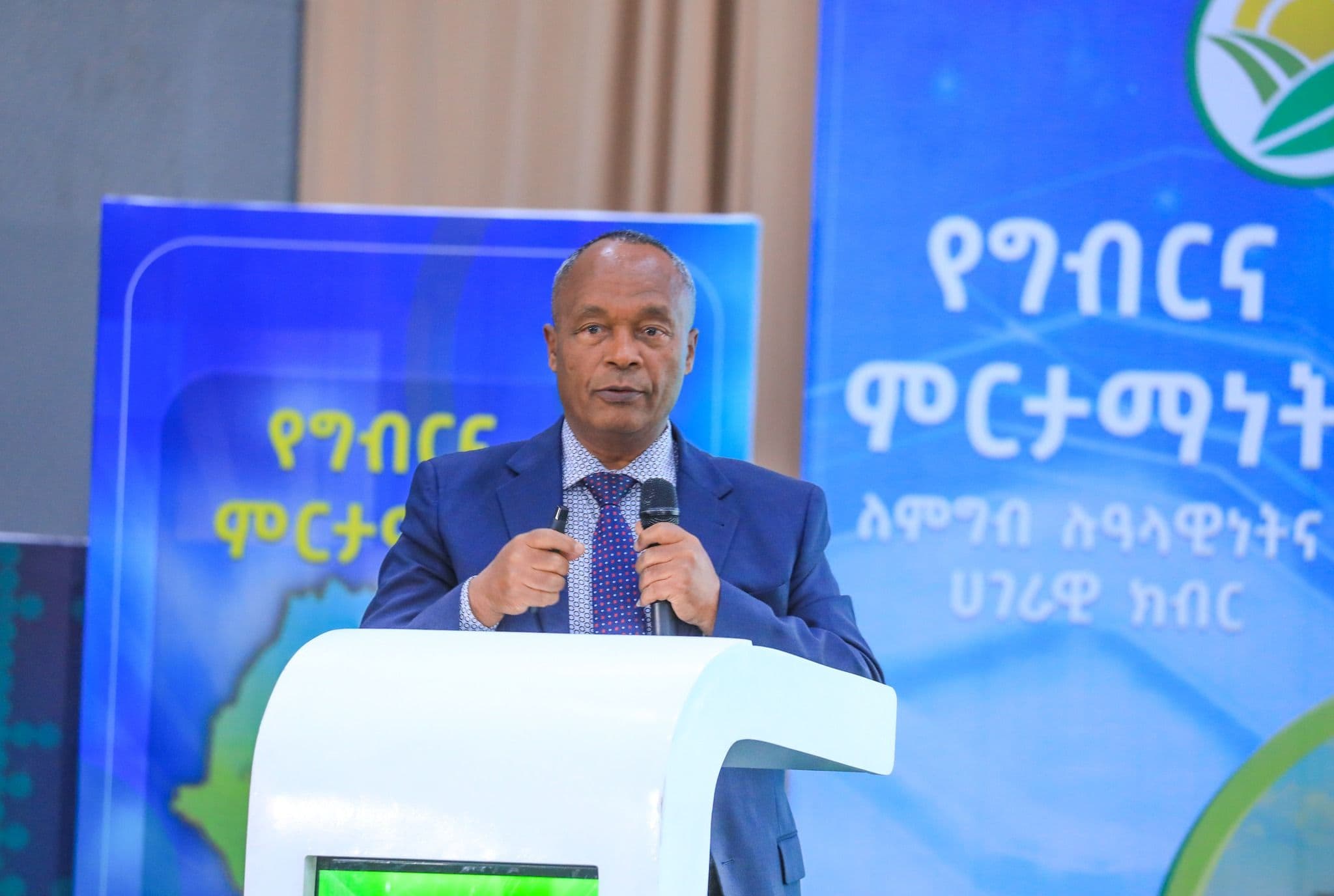
“The reform approach focuses on creating strong connections between agriculture, rural development, and industrial growth,” he said, highlighting the importance of integrated, multi-sector transformation to achieve sustainable results.
According to Mandefro, the reforms also prioritize food sovereignty and market-led development under Ethiopia’s national agenda, with wheat production identified as a key performance indicator.
He pointed to the expansion of cluster farming, which increased farmland under management from 0.6 million hectares in 2019 to 12.3 million hectares in the 2024/25 period—now accounting for about 50 percent of the country’s total farmland.
Overall, agricultural production has increased by 56 percent, supported by initiatives to substitute imports through domestic production of key crops such as wheat, rice, and malt.
In addition, Ethiopia has implemented large-scale soil and natural resource conservation and forestry programs, covering 33.6 million hectares, further strengthening environmental sustainability.
Mandefro also highlighted progress in digital transformation, noting that a Digital Agriculture Roadmap under the country’s 2030 strategy has been developed, with implementation already underway across multiple projects. He added that ongoing reforms in livestock and crop development are expected to further accelerate the sector’s transformation.
Looking ahead, Mandefro stated that the combined impact of these reforms could enable Ethiopia to generate up to 300 billion USD and feed 400 million people over the next 15 years.
“These achievements demonstrate that Ethiopia’s comprehensive reform efforts across sectors are delivering tangible results and paving the way for sustained development,” he concluded.
State Minister of Agriculture Dr. Fikru Regassa for his part stated that the national reform has led to historic, transformative achievements that are enabling Ethiopia to ensure food sovereignty by enhancing productivity in the agricultural sector.
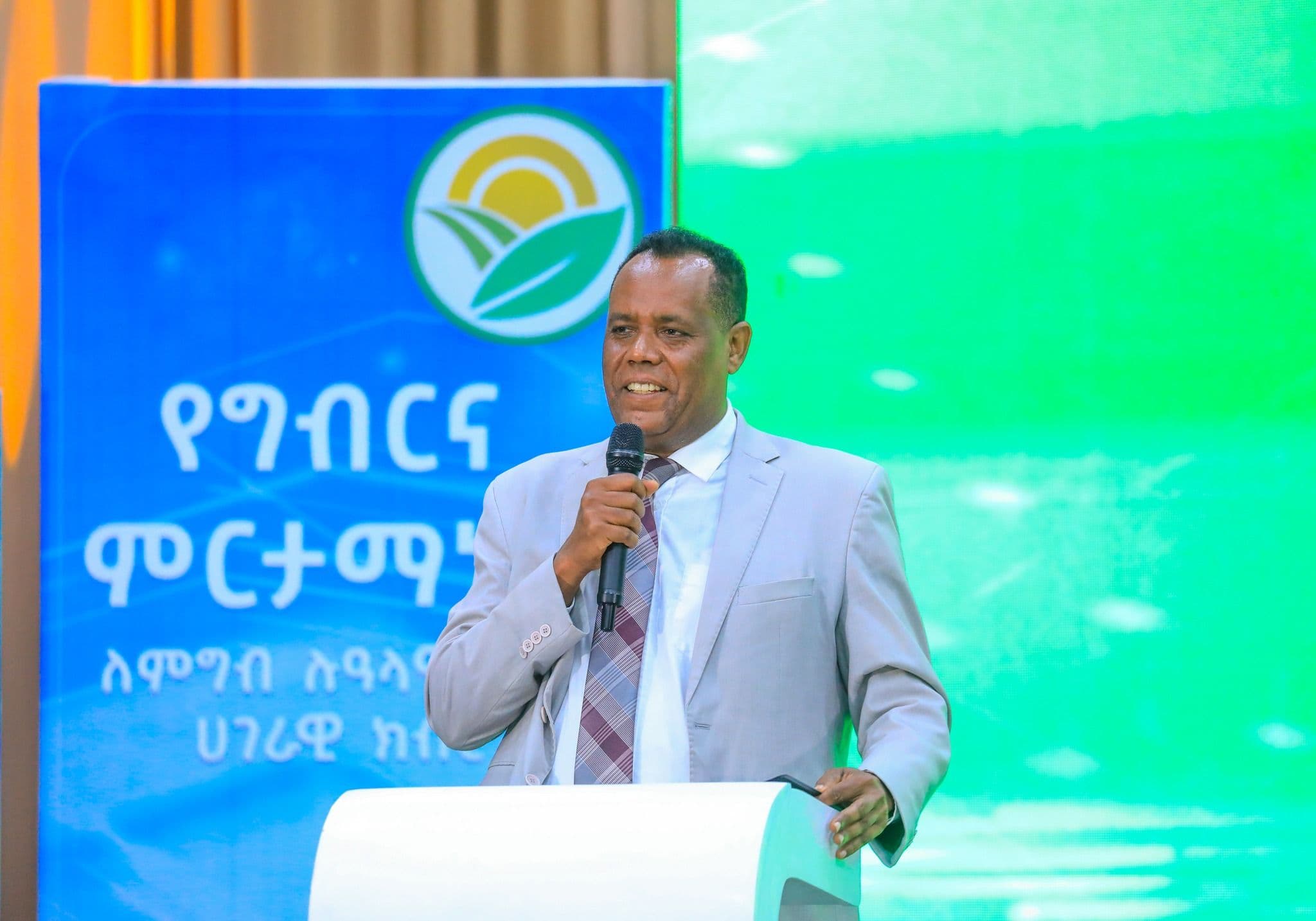
The agricultural sector plays a leading role in the economy, contributing significantly to food security, job creation, export trade, and climate resilience, he stated. The state minister recalled that prior to the national reform, Ethiopia’s agricultural system was constrained by outdated practices and was highly vulnerable to climate change. The slow pace of productivity growth and inefficient systems had long hindered the sector’s progress and undermined its historical potential.
However, following the reform, he noted that key policy and strategic measures have been implemented to enhance agricultural productivity. As a result, Ethiopia’s agricultural sector has now entered a transformative phase—one marked by historic gains that are enabling the country to achieve food sovereignty for its people.
He further highlighted that, under the leadership of Prime Minister Abiy Ahmed, practical initiatives have delivered tangible results, particularly in boosting wheat production through both the main (Meher) and irrigated summer seasons. The homegrown economic reform agenda, he explained, is driving a significant transition—moving the country away from long-standing dependence toward self-sufficiency in food production.
In addition, initiatives such as “Yelemat Tirufat” (bounty of the basket) and the Green Legacy Initiative have helped build strong productivity capacity, improving both food systems and nutrition. He affirmed that these achievements will be further strengthened to ensure Ethiopia’s full agricultural sovereignty.
Meanwhile, Chief Executive Officer of the Ethiopian News Agency, Seife Deribe, noted that the panel discussion was organized marking the 8th anniversary of the national reform and to reflect on the journey and achievements of the agricultural sector.
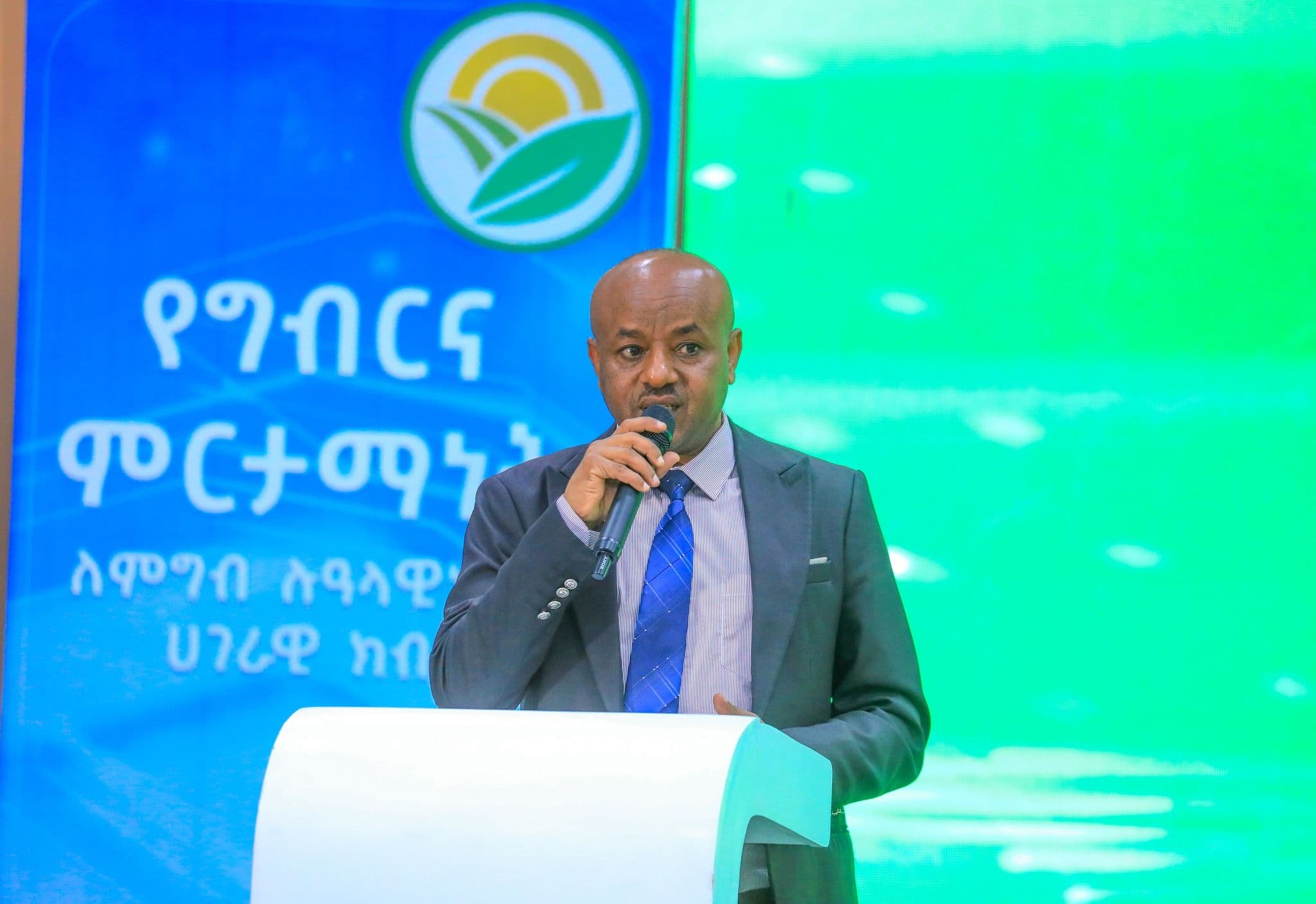
He emphasized that safeguarding Ethiopia’s national interests, dignity, sovereignty, and image remains the core mission of the Ethiopian News Agency.
The CEO further stated that the panel discussion organized in recognition of the critical role of agricultural productivity in ensuring food sovereignty and upholding national dignity, adding that similar engagements will continue going forward.
Enhancing agricultural productivity to secure food sovereignty is not only an economic priority, Seife said however, he added that it is also a decisive step toward reshaping the national narrative and breaking the long-standing mindset of dependency on aid.
To this end, he explained that the Ethiopian News Agency, in collaboration with the Ethiopian Agricultural Transformation Institute, organized the forum to advance this important agenda.
In this context, Ethiopia’s accelerating push toward food sovereignty reflects more than a national ambition—it embodies a concrete step toward realizing African Union’s Agenda 2063, which envisions Africa as a global powerhouse. By transforming its agricultural sector, empowering smallholder farmers, and shifting from dependency to self-sufficiency, Ethiopia is not only strengthening its own economic resilience but also contributing to a broader continental trajectory of sustainable growth, industrialization, and dignity.
As these reforms continue to take root, Ethiopia’s experience stands as a compelling model for how strategic investment in agriculture can help position Africa to feed itself—and ultimately, to help feed the world.