"Made in Africa” Gains Momentum at China-Africa Entrepreneurs Summit
Apr 21, 2026
Save
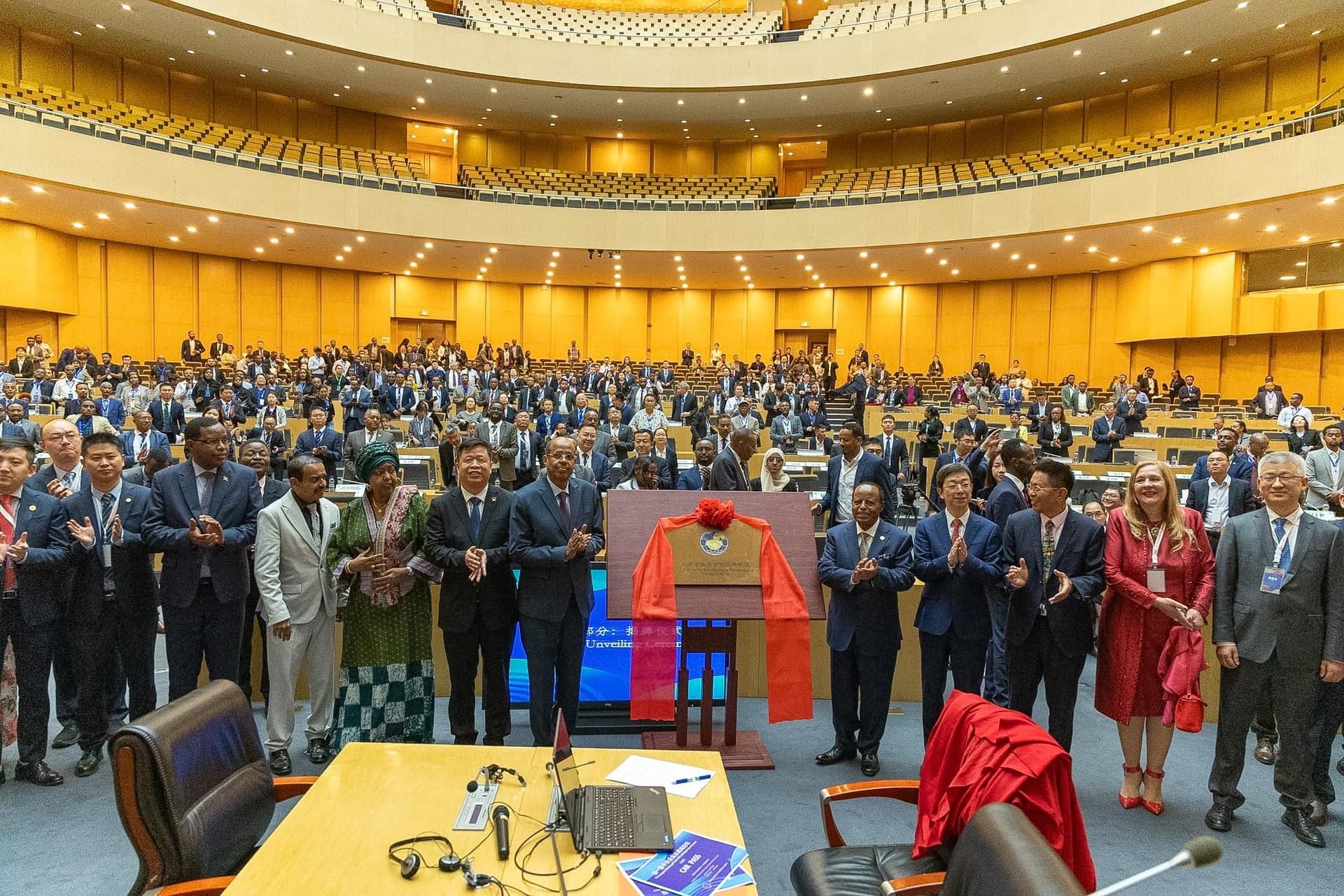
The inaugural China-Africa Entrepreneurs Summit (CAES) at the African Union Headquarters has placed industrial sovereignty and digital trade at the heart of Africa’s development agenda, signaling a decisive shift toward value addition and “Made in Africa” production.
Bringing together over 700 delegates, the summit launched the China-Africa Entrepreneurs Partnership Alliance (CAEPA), a new framework designed to move beyond state-led cooperation and position the private sector as the central driver of continental transformation and shared prosperity.
Recommended News
BCEAO Sounds Alarm Over Counterfeit Banknote Scams
Ghana Cocoa Crop Falls 13% Amid El Niño, Disease Risks
Spain-Libya Trade Surges as Bilateral Commerce Expands
Officials Call for Sustainable Financing to Transform Africa’s Water Services
Leaders Call Out $100B Food Import Bill, Call for Action
The event marked a move beyond traditional government-to-government models, positioning the private sector as the primary engine for continental growth and a catalyst for a joint community with a shared future.
Ambassador Jiang Feng, Chinese Head of Mission to the African Union, set a bold tone for the morning by announcing a major policy shift that will take effect in the coming days.
He underscored that trade volume between the two regions hit a record 348 billion dollars in 2025, a nearly 18% increase that cements a long-standing partnership and paves the way for deeper market integration.
Chairperson of the AU Commission, Mahmoud Ali Youssouf delivered a clarion call for the continent to move away from raw material dependency.
He framed the summit as a vital step in realizing Agenda 2063 and the African Continental Free Trade Area (AfCFTA), emphasizing that technological evolution and local value chains are the necessary catalysts for a continental transformation.
He noted that Africa's unfathomable wealth must be harnessed by its people, particularly the youth, to drive future world growth.
President of Ethiopia, Taye Atske Selassie reinforced the idea that while governments provide the legal and strategic frameworks, the future of the continent belongs to the entrepreneur.
He urged a move toward deep-rooted economic cooperation that transforms lives through innovation and specifically called for the establishment of joint research hubs to develop home-grown technology.
The president stressed that a relationship defined by dignity and mutual respect is the only foundation for sustaining a meaningful and durable friendship.
The summit transitioned from dialogue to action with a major signing ceremony involving twelve strategic agreements. These partnerships covered diverse sectors including infrastructure, digital trade, and renewable energy.
By prioritizing technical R&D and value addition over simple extraction, the partnership aims to ensure that "Made in Africa" becomes a synonym for quality and progress on the global stage. This landmark gathering has set the trajectory for a decade of African growth powered by innovation and joint venture excellence.