Africa Must Own Its Development Narrative
Jun 20, 2026
Save
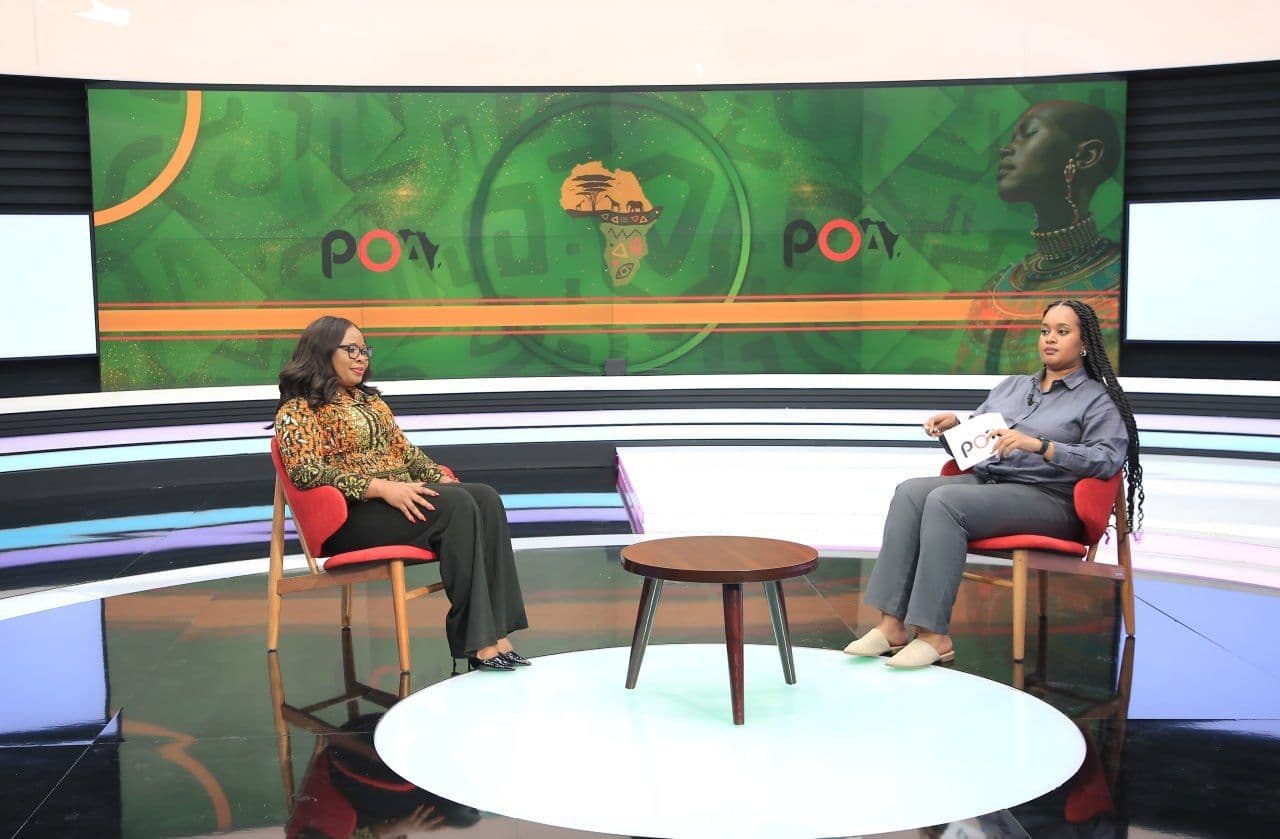
As African nations seek sustainable pathways to development, Ethiopia is emerging as a compelling example of how long-term vision, cultural identity, and social inclusion can drive national transformation.
Following a visit to major development projects in Addis Ababa, Africa Governance Center Chair Benedicta Lasi said Ethiopia’s experience offers valuable lessons for the continent, demonstrating that development must go beyond infrastructure to create livable communities, strengthen social well-being, and empower Africans to tell their own stories on the global stage.
Recommended News
African Leaders Rally in Luanda to Power Economic Transformation Through Capital Mobilization
Ethiopia’s GDP Rebasing to Strengthen Economic Planning, Investment Confidence and Macroeconomic Management
Ethiopia’s Rebased GDP Surges to $201.42 Billion, Up from $119.3 Billion
UNECA Urges Stronger Regional Energy Integration in Africa
World Bank Warns of 23% Surge in Global Commodity Prices in 2026, Raising Food and Energy Security Concerns
Lasi has praised Ethiopia’s ongoing transformation efforts, describing the country as a compelling example of how economic modernization, cultural identity, and social inclusion can be integrated into a shared national development vision.
During a recent visit to Addis Ababa, Lasi toured several major development projects, including the capital’s landmark Riverside development, where she reflected on the broader meaning of development in modern African cities.
She said Ethiopia’s approach demonstrates that national progress should not be measured solely by physical infrastructure but also by the quality of life and well-being of citizens.
According to Lasi, projects such as the Riverside development highlight the importance of creating livable urban environments that promote community engagement, recreation, and social cohesion.
"The Riverside development is not just a recreational center," she said. "It speaks to the fact that development is not only about roads, hospitals, and physical infrastructure. It is also about building livable societies and communities that support people's well-being and livelihoods."
She noted that such investments remain relatively uncommon across much of the continent and called for greater attention to public spaces and community-centered development initiatives.
"We must begin to encourage approaches that recognize the importance of well-being. Parks, recreational areas, and spaces that support healthy communities are essential and highly commendable," she added.
Lasi also emphasized the critical role of visionary leadership in driving sustainable development. She argued that short-term political cycles often hinder long-term planning in many African countries, resulting in projects that are abandoned when governments change.
"It takes a certain level of visionary leadership to achieve this," she said. "Across Africa, short-term electoral cycles often define development horizons. We frequently see projects begin under one administration only to be abandoned after a leadership transition."
She pointed to Ethiopia’s experience as an example of how a clear and consistent national vision can help sustain transformative projects over time.
"When you look at what Ethiopia has managed to achieve, you see the importance of having a clear vision of where you want to take the country," she noted.
Beyond infrastructure and governance, Lasi addressed the issue of Africa’s global image, arguing that the continent’s narrative is too often shaped by external voices that focus disproportionately on challenges while overlooking progress and success stories.
"A lot of the narrative around Africa is shaped by forces beyond Africa's borders," she said. "The stories that dominate often focus on the negatives and challenges we face."
While acknowledging that Africa should not ignore its challenges, she stressed that every nation faces social and economic difficulties.
"There is no country in the world without challenges," she said. "Issues such as unemployment, homelessness, and social inequalities exist everywhere. Yet when the spotlight is placed almost exclusively on Africa's problems, it creates an incomplete picture and can hold the continent back."
Lasi called on Africans to take greater ownership of their stories and actively showcase the continent’s achievements, innovations, and development successes.
She said Ethiopia’s ongoing transformation offers valuable lessons for the continent, demonstrating the importance of combining long-term planning, cultural identity, social inclusion, and citizen well-being within broader development strategies.
As African countries pursue economic growth and urban modernization, Lasi believes Ethiopia’s experience underscores the need for development models that place people at the center while preserving national identity and fostering a sense of shared purpose.
Her remarks come amid growing discussions across the continent about sustainable urban development, governance reform, and the importance of strengthening African-led narratives that reflect both the challenges and opportunities shaping Africa’s future.
For Lasi, Ethiopia’s development journey is more than a national success story—it is an example of what can be achieved when vision, continuity, and community-centered planning come together in pursuit of long-term transformation.