Ethiopian Clinches Record $9.1B Revenue, Expands to 150 Destinations
Jul 29, 2026
Save
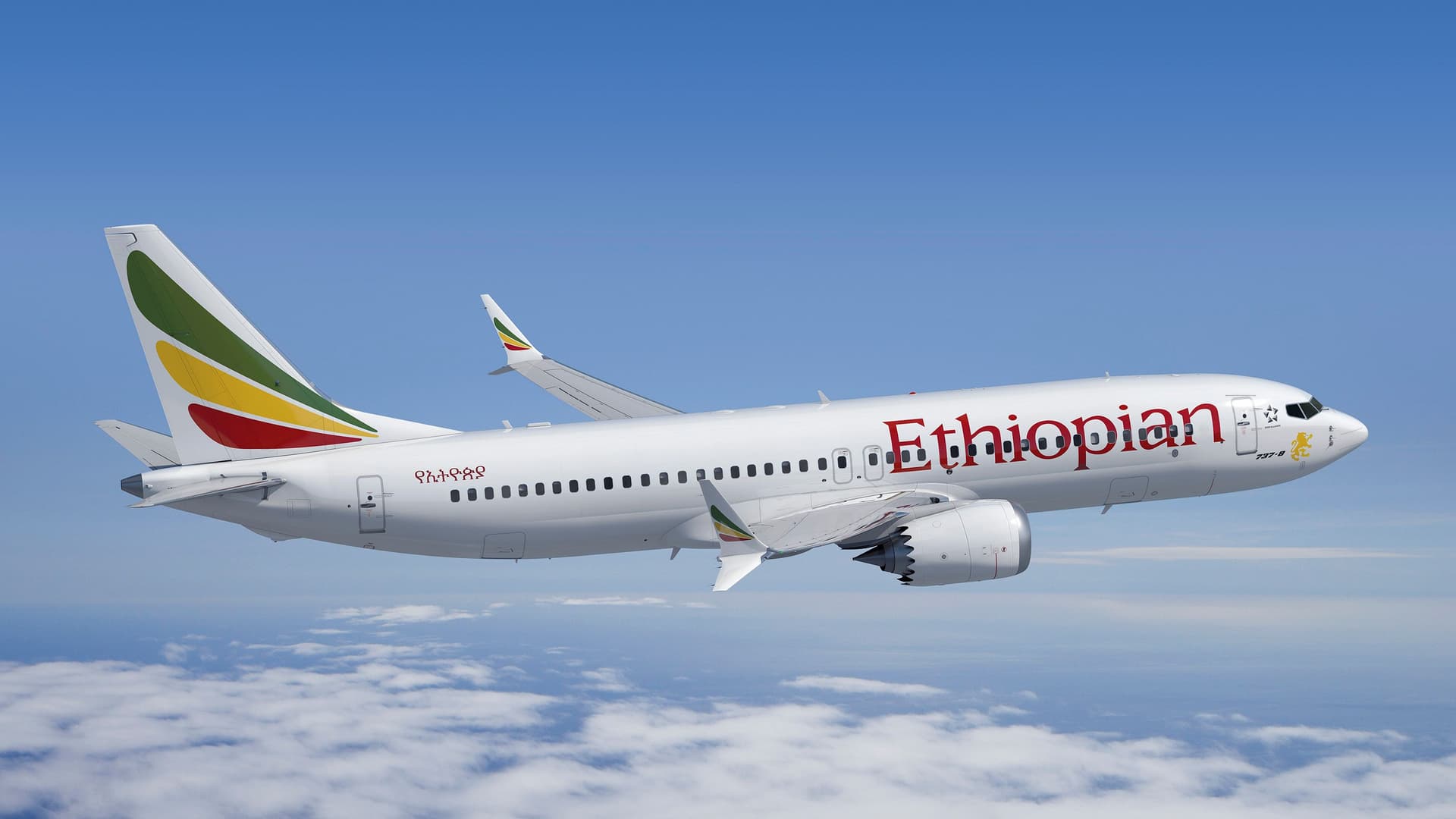
Ethiopian Airlines Group has reported its strongest financial performance to date, generating $9.1 billion in total revenue during the 2025/26 fiscal year (ended July 7), driven by continued growth in passenger and cargo operations, network expansion, fleet modernization, and strategic investments in aviation infrastructure.
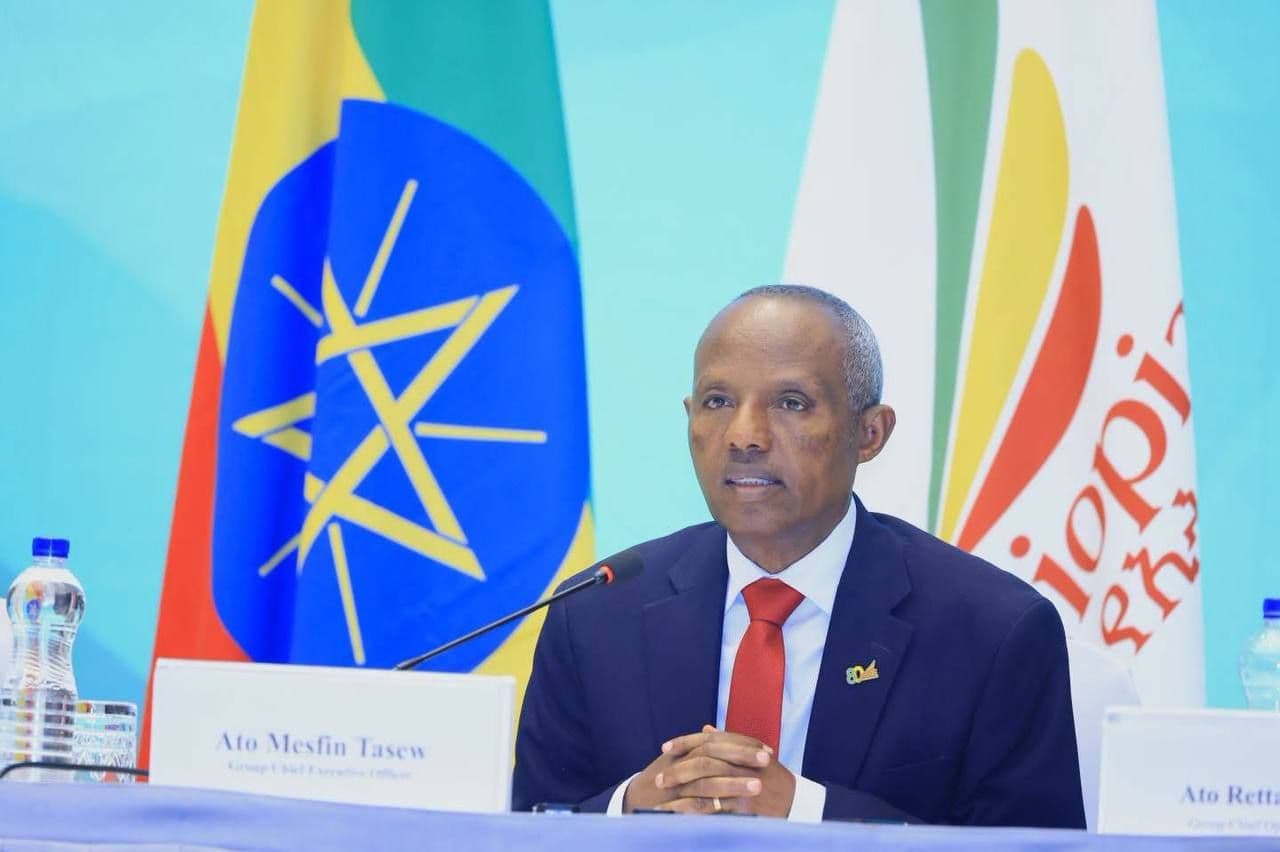
In a press conference, Ethiopian Airlines Group Chief Executive Officer Mesfin Tasew said Africa’s top aviation operator, Ethiopian transported 20.7 million passengers during the fiscal year, a 10% increase compared with the previous year.
Recommended News
Kenya’s ERPA Report Spotlights Ethiopia’s Roles in Energy Integration
A New Ethiopia, Built in Finance
Ethiopia Pushes Digital Innovation to Transform Tourism Sector
From Reform to Results: Ethiopia’s Next Chapter of Economic Transformation
NBE Governor Calls for Deeper Financial Sector to Fund Ethiopia’s Long-Term Development
The airline also posted strong growth in its cargo business, transporting 897,000 tons of freight, a 16% year-on-year increase, further cementing its position as Africa's leading cargo carrier.
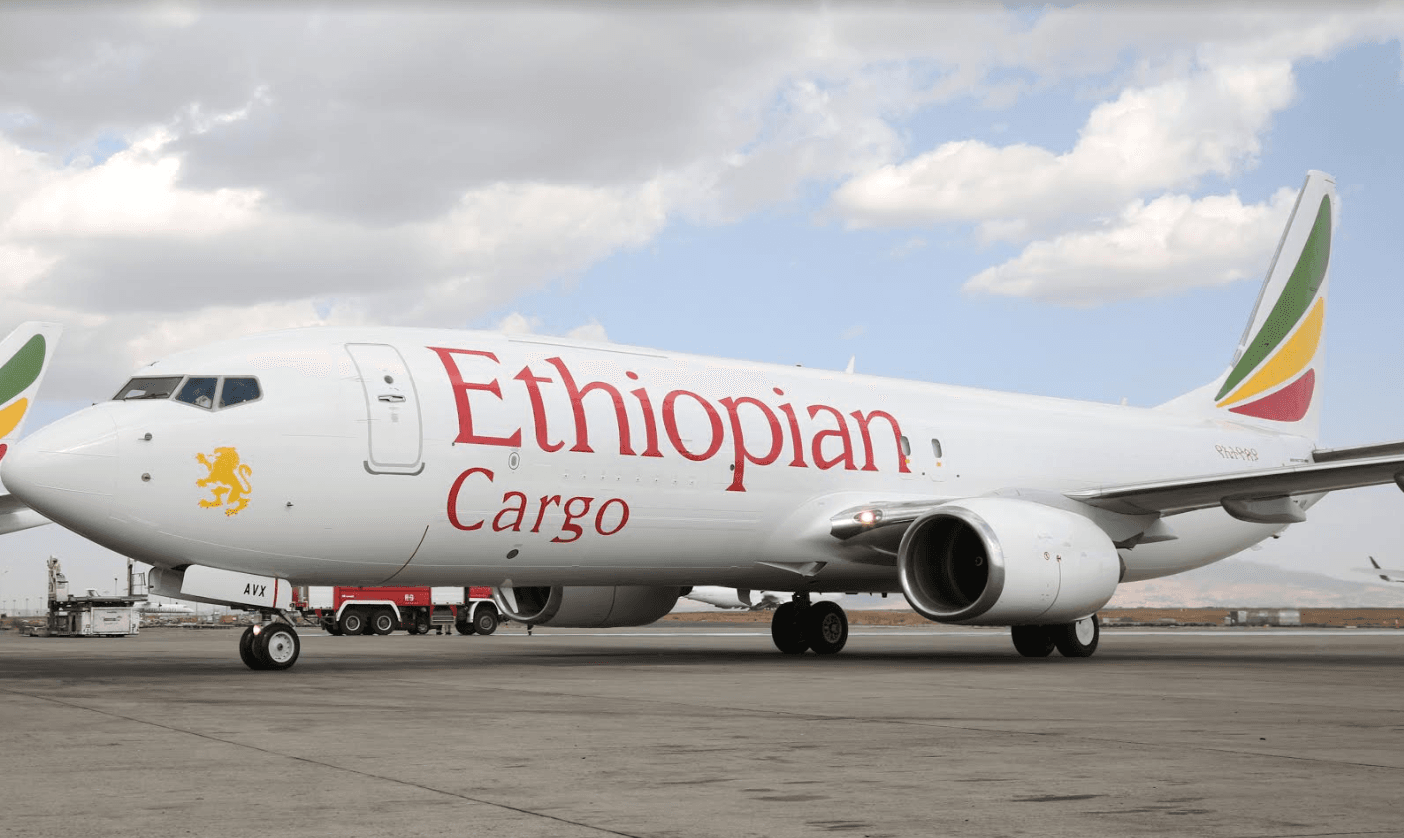
Mesfin Tasew said Ethiopian Airlines continued its aggressive network expansion during the fiscal year by launching new international routes to Porto, Portugal; Hanoi, Vietnam; Abu Dhabi, United Arab Emirates; Jizan, Saudi Arabia; Lyon, France; and Port Louis, Mauritius.With the addition of these new services, the airline's network has expanded to 150 destinations worldwide, further enhancing connectivity between Africa and the rest of the world.
As part of its expansion strategy, Ethiopian plans to launch additional international destinations in the coming months, Mesfin revealed.Meanwhile, he said, domestic network expansion has also witnessed an increase in the number of destinations from 22 to 25, supporting national development by improving nationwide connectivity.
To support its growing operations, Ethiopian Airlines added nine aircraft to its fleet during the fiscal year through a combination of newly purchased and leased aircraft.The airline also strengthened its aviation training capacity by introducing eight Diamond training aircraft into its pilot training academy, reinforcing its commitment to developing highly skilled aviation professionals.
Beyond fleet expansion, Ethiopian Airlines continued investing in major aviation infrastructure projects.The airline made significant progress on the expansion of Addis Ababa Bole International Airport, aimed at increasing passenger handling capacity and improving operational efficiency.
Bishoftu Mega Airport City Project
The CEO also highlighted ongoing work being expedited after the official launch of the Bishoftu International Mega Airport — a landmark project expected to become one of Africa's largest aviation hubs capable of sustaining the airline's long-term growth strategy.
Bishoftu International Airport (BIA) project is a massive $12.5 billion aviation development located in Bishoftu, roughly 40 kilometers southeast of Addis Ababa. Spearheaded by Ethiopian Airlines and designed by Zaha Hadid Architects, the mega-hub officially broke ground on January 10, 2026, and targets initial completion by 2030.

70-30 debt-equity financing structure. The African Development Bank acts as the lead arranger to mobilize up to $8 billion, supplemented by a $500 million AfDB commitment, a $500 million Chinese bank pledge, and emerging funding discussions with Italy and other global lenders.
Middle East Conflict as Challenge
Despite recording strong performances during the first three quarters of the fiscal year, Mesfin acknowledged that operations became more challenging during the fourth quarter due to the conflict in the Gulf and Middle East.
According to the CEO, the regional instability forced the airline to adjust flight routes, increasing flight times and fuel consumption. At the same time, rising global fuel prices significantly pushed operating expenses upwards.
"Our first three quarters delivered strong performance. However, the conflict in the Gulf and Middle East created operational challenges in the fourth quarter. Route adjustments and higher fuel prices increased our operating expenses by approximately 25 percent," Mesfin said.
Despite the challenges, the airline maintained stable operations and continued executing its expansion strategy.
Meanwhile, Mesfin revealed that Ethiopian Airlines has set its eyes on Australia as the next frontier of far-off, intercontinental flight destination. "Australia is under our radar. Once the delivery of our newly ordered aircraft begins, we will commence operations to Australia," the CEO said.