Oct 28, 2025
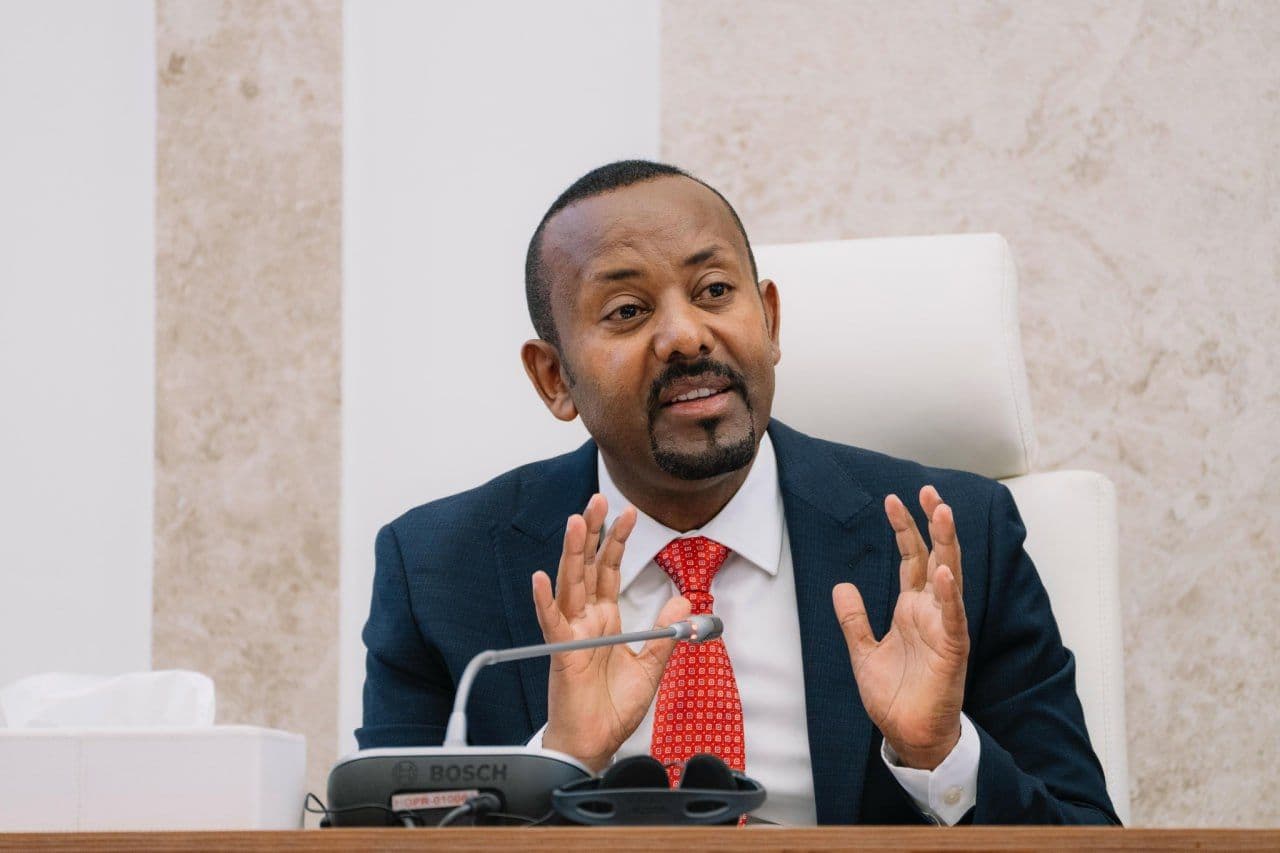
Ethiopian Prime Minister Abiy Ahmed has projected that Ethiopia will emerge as Africa’s second-largest economy by 2032 and surpass all by 2036, underscoring growing confidence in the nation’s reform-driven transformation.
Africa is rapidly emerging as a future global economic powerhouse, with eleven of the world’s twenty fastest-growing economies in 2024, according to the African Development Bank Group’s Macroeconomic Performance and Outlook.
The continent continues to solidify its position as the world’s second-fastest-growing region after Asia, driven by dynamic growth across diverse economies.
Countries such as Ethiopia Niger, Senegal, Libya, Rwanda, Côte d’Ivoire, Benin, Djibouti, Tanzania, Togo, and Uganda are spearheading this transformation, showcasing Africa’s expanding potential, resilience, and rising influence in shaping the global economic landscape.
Addressing members of the House of Peoples’ Representatives on Tuesday, Prime Minister Abiy said the optimistic outlook follows what he described as a year of “absolute success,” during which major policy commitments were effectively executed.
According to him, the government’s comprehensive Homegrown Economic Reform Agenda has proven highly successful in transforming Ethiopia’s economy from being primarily agricultural to a more diversified and resilient structure.
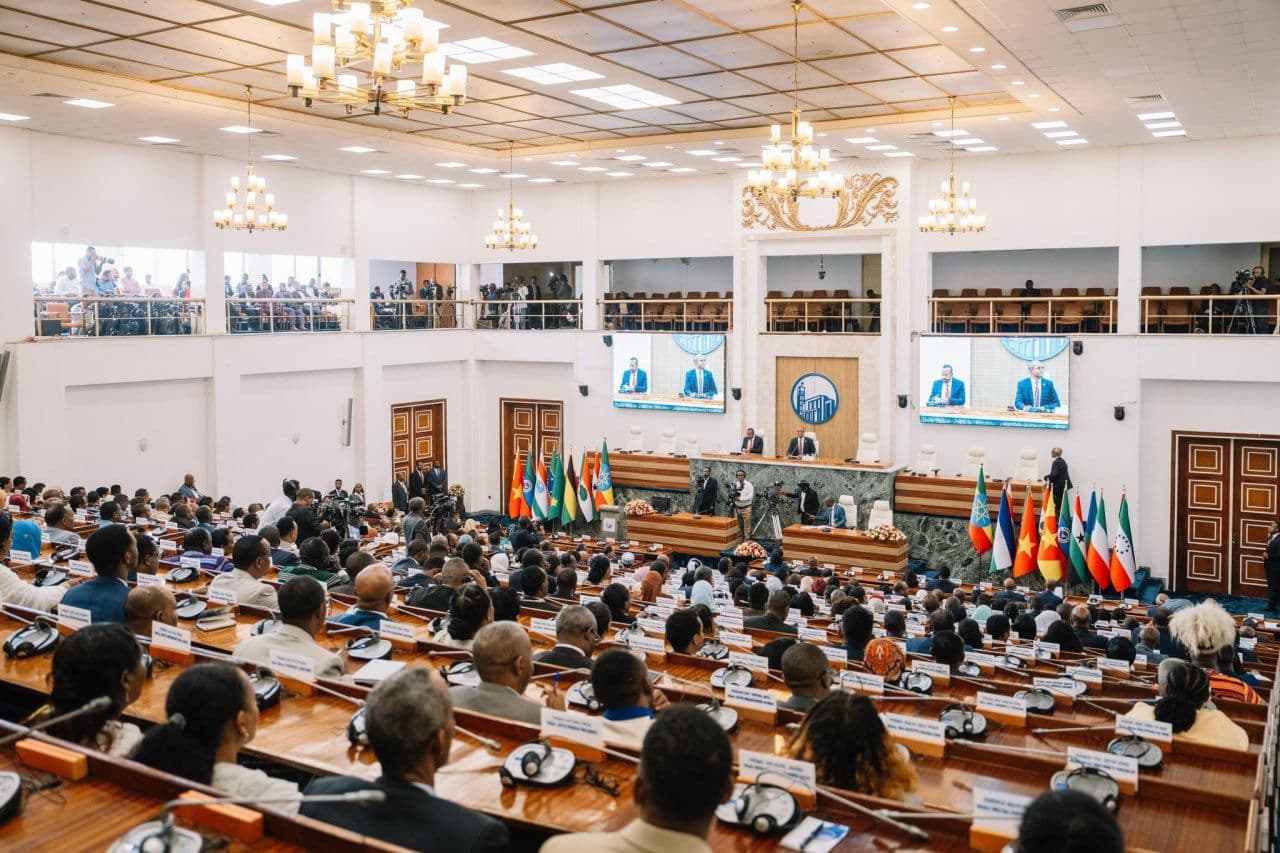
“From the outset, we understood that dependence on a single sector could not deliver the speed of poverty reduction we aspired to achieve,” the Prime Minister explained. “Our reform strategy therefore emphasizes a multi-sectoral approach—integrating agriculture, industry, mining, tourism, and technology—through partnerships among government, the private sector, and civil society.”
Abiy highlighted significant progress across key sectors.
The agriculture sector grew by 7.3 percent in the last fiscal year, contributing 2.3 percent to total GDP growth.
The industry sector expanded by 13 percent, adding 3.7 percent to GDP, reflecting a structural shift from construction toward manufacturing and mining. The mining sector also recorded notable gains, with its GDP contribution rising from 0.1 percent to 1 percent, while the services sector grew by 7.5 percent, contributing 3.1 percent to overall growth.
The Prime Minister further noted that fiscal strength and foreign exchange earnings have improved considerably, with government revenue soaring from 170 billion birr at the start of the reform period to a projected 1 trillion birr this fiscal year.
Expressing confidence in the nation’s trajectory, Abiy said Ethiopia has entered “a new dawn,” marked by unprecedented opportunity and national momentum.
In this context, Prime Minister Abiy projected that Ethiopia will rank as Africa’s second-largest economy by 2032 and emerge as the continent’s leading economy by 2036.