Feb 18, 2026
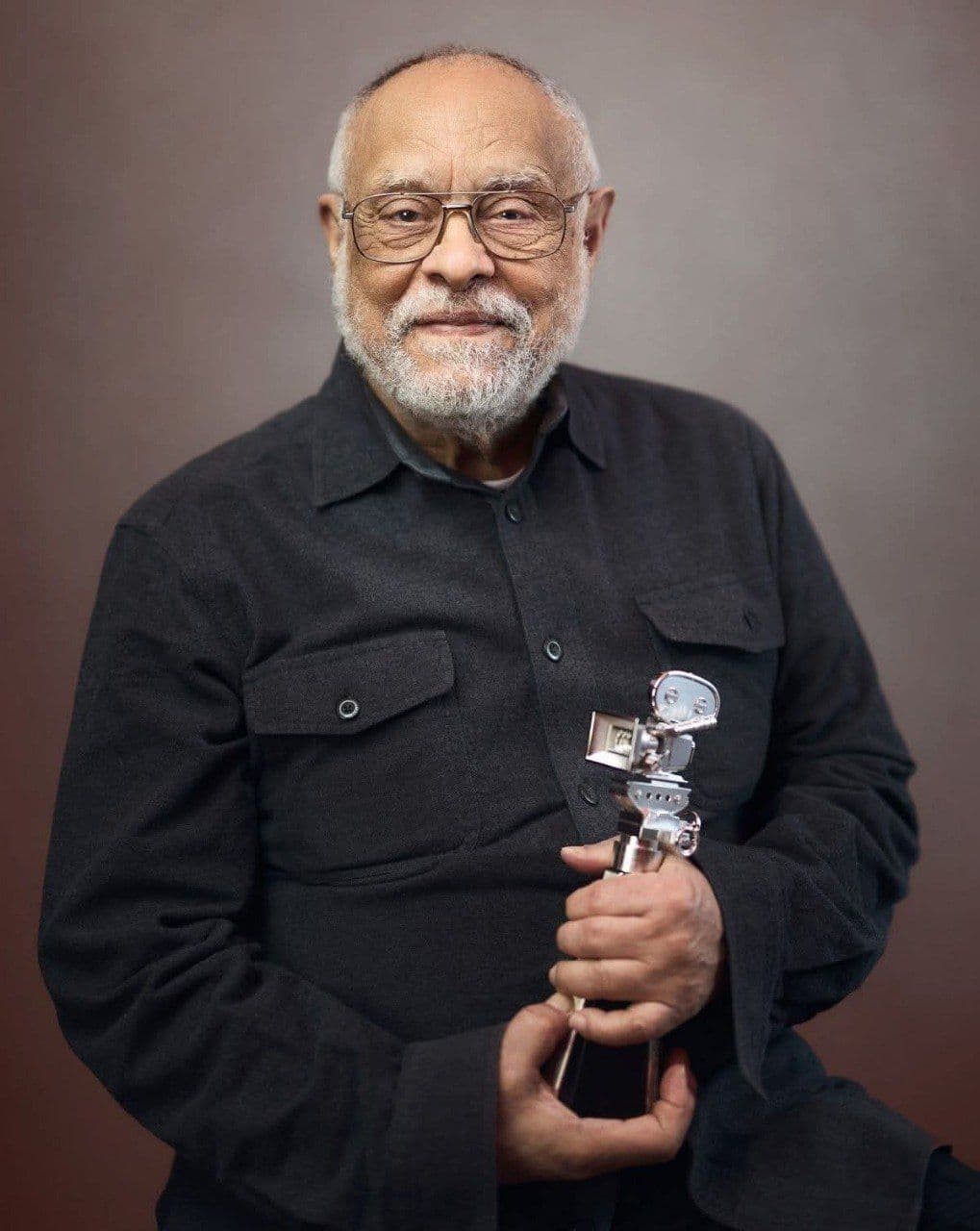
At the 76th Berlin International Film Festival in Berlin, Ethiopian director Haile Gerima was honoured with the prestigious Berlinale Camera.
Gerima’s latest work, Black Lions – Roman Wolves, a nearly nine-hour exploration of Italian colonialism and a tribute to Ethiopian resistance, celebrated its world premiere in that year’s Berlinale Forum.
The Berlinale Camera was presented to him on February 17, 2026, at Delphi Filmpalast, alongside the screening of his film.
“Haile Gerima’s works bore witness to histories marked by oppression, resistance, and the unfinished work of decolonisation — stories that spoke with urgent force to the world today.
Though he entered Competition with Sankofa in 1993, the Forum recognised his work early on, and we were very proud to welcome him back with his long-gestating Black Lions – Roman Wolves.
It was an honour to present a Berlinale Camera to a filmmaker who transformed the way so many understand the world,” said Tricia Tuttle, Director of the Berlinale.
Born in Ethiopia, Gerima emigrated to the United States in 1967 and studied at the University of California. He became part of the L.A. Rebellion, a group of African-American and African filmmakers who, beginning in the 1970s, created an alternative, independent Black American cinema.
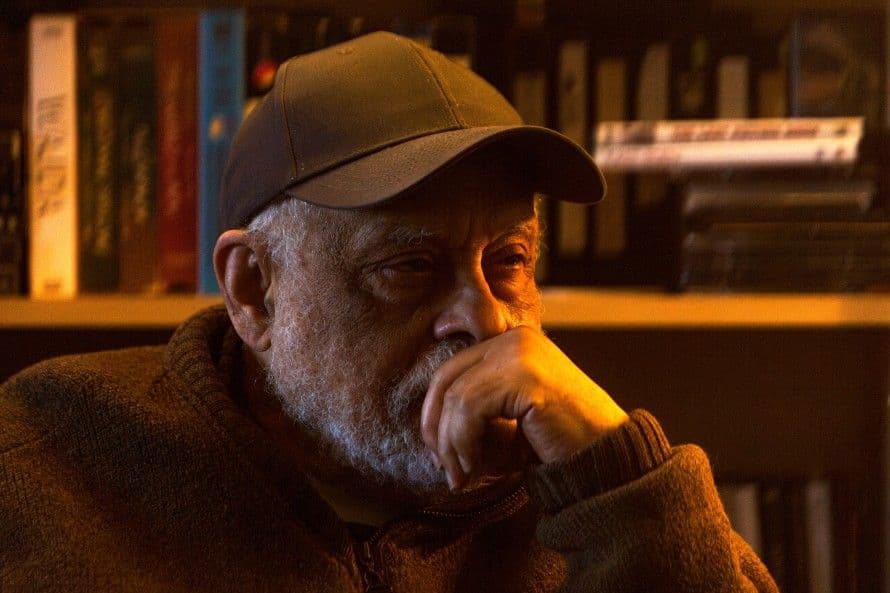
His works combined personal, historical, and political perspectives. Although he long resided in the United States, Gerima remained deeply connected to his Ethiopian heritage.
His notable films included Harvest: 3,000 Years (1975, Forum), Bush Mama (1976), Ashes and Embers (1982), Sankofa (1993, Berlinale Competition), and Teza (2008).
Gerima’s recognition at Berlinale is also a moment of significance for African cinema, highlighting the continent’s contributions to global storytelling, the preservation of history, and the importance of African perspectives in world film.
His works have inspired filmmakers across Africa and the diaspora to tell stories rooted in local histories, struggles, and cultural identity.
Since 1986, the Berlinale Camera has honoured filmmakers and institutions that made outstanding contributions to cinema. The award, crafted by Düsseldorf-based goldsmith Georg Hornemann, consisted of 128 individual components modeled on a real film camera.
Founded in 1951, the Berlin International Film Festival has become one of the most prestigious festivals globally, showcasing a wide range of feature films and documentaries.
The 76th edition brought together filmmakers, actors, critics, and cinema enthusiasts from across the world, including participants from Ethiopia, underlining Africa’s growing presence in global cinema.