Mar 22, 2026
Art and culture are lifestyles ever present across Africa in peace or difficult times as evidenced in designers in Cameroon crafting unique fabrics from a select tree species, while artists from the restive Sudan counter the sad realities of war back home with music and art.
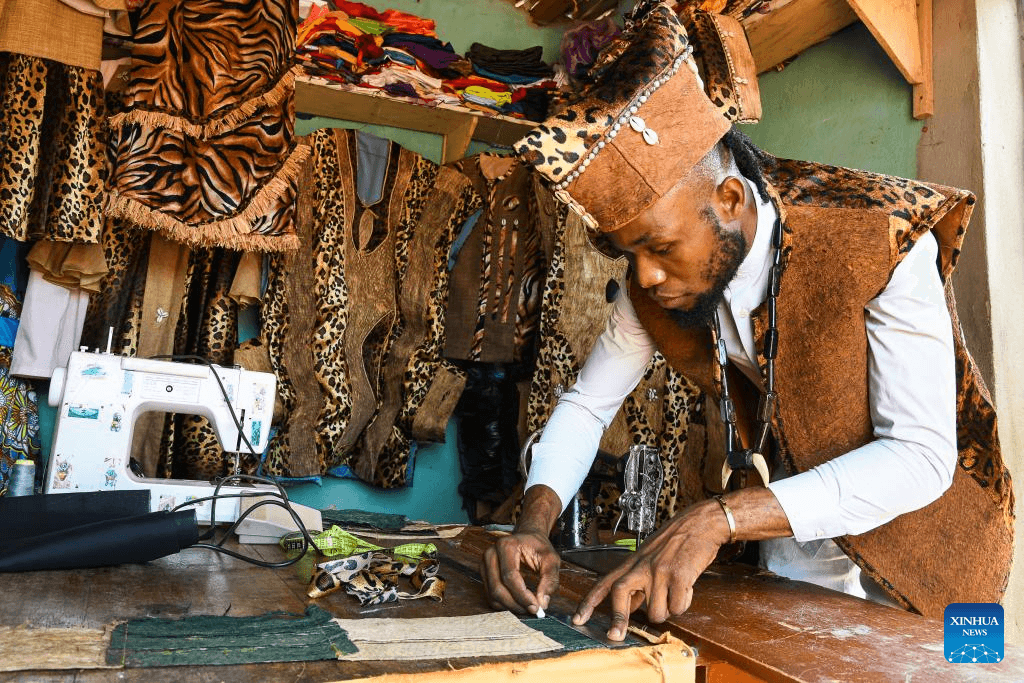
In the heart of Yaoundé, a new generation of designers is breathing fresh life into Obom, a traditional fabric crafted from select tree species by the Ekang. Once primarily used for ceremonial and cultural attire, Obom is now finding its way into contemporary fashion, blending centuries-old craft with modern creativity.
Among the leading innovators is Raphael Nomo Etoga, whose workshop showcases the versatility of Obom across clothing, hats, shoes, and accessories. By combining traditional patterns with modern cuts, Etoga is transforming a heritage fabric into a dynamic component of contemporary style.
The movement goes beyond aesthetics. By integrating Obom into modern designs, young Cameroonian designers are promoting cultural heritage to younger generations, raising global awareness of local craft traditions, and expanding the commercial potential of artisanal textiles. This approach bridges the gap between traditional craftsmanship and modern fashion markets, offering sustainable economic opportunities for local artisans.
Etoga’s work demonstrates how Obom can be adapted for a range of applications, from full clothing lines adorned with traditional motifs to everyday accessories that subtly weave heritage into modern life. The designs preserve the fabric’s cultural identity while making it relevant to contemporary tastes, both locally and internationally.
Cultural analysts note that initiatives like this reflect a broader African trend in heritage-driven innovation, where traditional art forms are reimagined to create new markets and empower communities. By celebrating Obom through fashion, Cameroon is setting an example of how cultural preservation and economic development can coexist, turning ancestral craft into a living, evolving part of national identity.
This revival of Obom highlights the potential for African artisanship to thrive in the global fashion landscape, fostering pride, creativity, and economic resilience while ensuring that centuries-old traditions remain vibrant for generations to come.
Meanwhile, in the midst of conflict, a group of displaced Sudanese artists is reclaiming space for creativity and community inside a school-turned-shelter, where music, poetry, and visual art offer a powerful counterpoint to the realities of war.
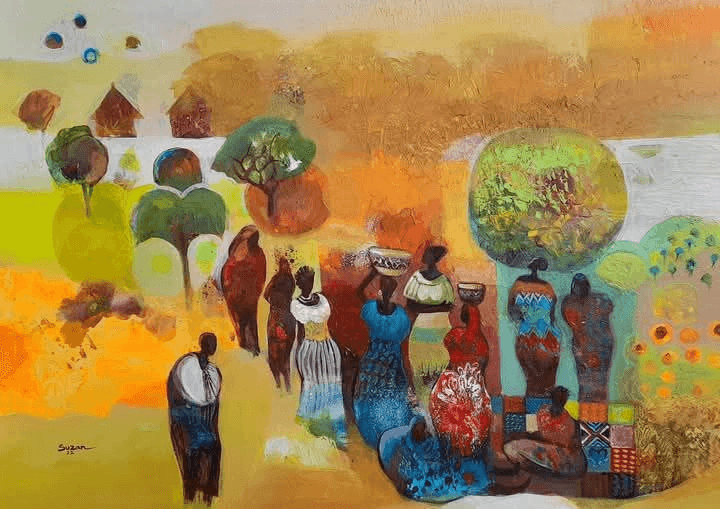
At the El-Rabat center in Morocco, around 120 artists—musicians, painters, actors, and writers—have gathered after fleeing violence linked to the ongoing conflict between the Sudanese army and the Rapid Support Forces. Within crowded classrooms, a singer rehearses alongside a keyboardist, while outside, artists collaborate under the open sky, transforming the shelter into a vibrant cultural hub.
What began as a refuge has evolved into something more profound: a shared creative ecosystem. With limited resources, the artists have pooled funds to acquire instruments and materials, forming collaborations that cut across disciplines.
Filmmaker Mohamed Ali Ibrahim describes the gathering as both rare and transformative, noting that such artistic synergy would have been nearly impossible had they been dispersed across multiple camps.
The collective environment has fostered a sense of unity and purpose, with musicians, poets, and dramatists working side by side on joint projects. These collaborations not only sustain artistic expression but also restore a sense of normalcy and belonging in an otherwise uncertain reality. “It brings people closer together,” Ibrahim reflects, highlighting the emotional and social impact of shared creativity.
Sudan’s cultural sector has suffered immensely during nearly three years of conflict. Yet amid the devastation, resilience persists. Musician Assem Abdel Aziz speaks of enduring hope, describing the shelter as a place filled with “dreams… full of energy and experiences.” Visual artist Mohira Fathi calls it “a miniature cultural institution,” where creativity continues to flourish despite the constraints of war.
Across Africa, such stories echo a broader truth: culture is not a luxury reserved for times of peace but a vital force for survival, identity, and healing. In Sudan, these artists are not only preserving their craft—they are safeguarding the country’s cultural soul, proving that even in displacement, creativity can endure and inspire.