Apr 11, 2026
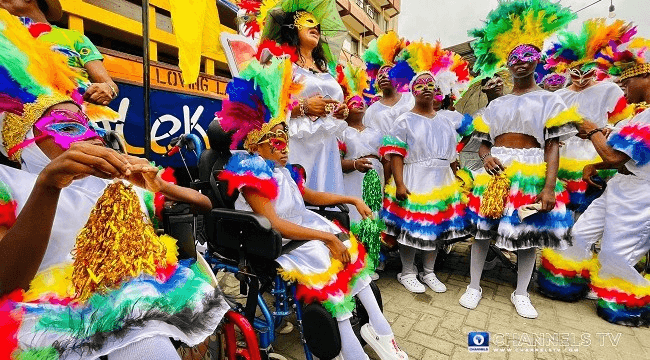
Thousands of revelers gathered in Lagos, Nigeria, for the annual Fanti Carnival, a vibrant cultural celebration honoring the Afro-Brazilian heritage of the “Aguda” — descendants of formerly enslaved Africans who returned from Brazil in the 19th century.
Held in recent years during the Easter season, the festival has become one of West Africa’s most prominent cultural events, often compared to Brazil’s Rio Carnival for its scale, color, and energy.
Historical records show that many of the returnees settled in Lagos upon their arrival in West Africa, integrating with the Yoruba community while preserving elements of Brazilian and Portuguese culture.
Over time, this cultural fusion influenced local music, cuisine, architecture, religion, and lifestyle, giving rise to the Fanti Carnival tradition.
This year’s theme, “A Homecoming of Heritage,” brought together various communities across Lagos, particularly descendants of the Aguda, who converged at Tafawa Balewa Square in a grand display of identity and pride.
Participants, including men, women, and children, wore elaborate and colorful costumes as they paraded through the streets.
Some rode horses, while others danced to a blend of Indigenous Yoruba rhythms and Afro-Brazilian sounds.
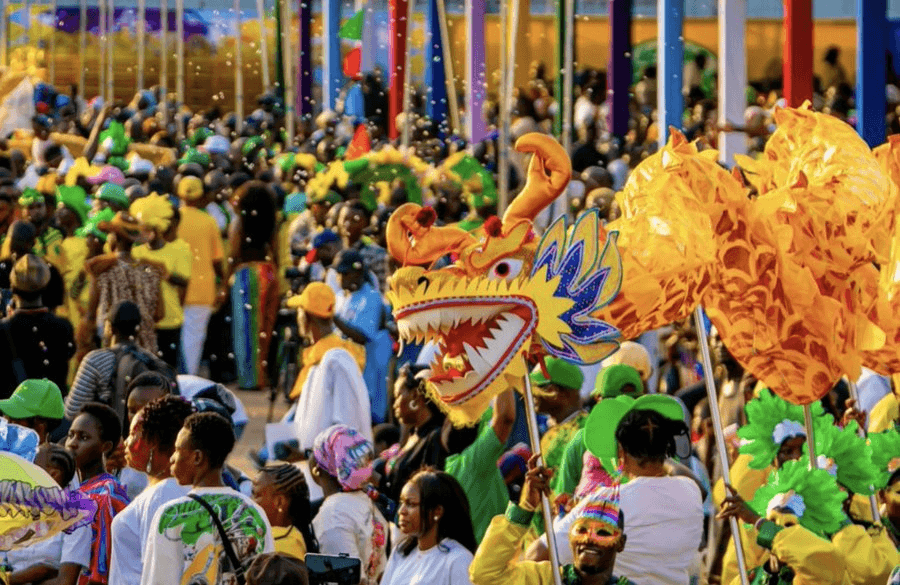
Performers adorned in beads, feathers, and body paint added to the spectacle, creating a lively and immersive cultural experience.
Ademola Oduyebo, one of the attendees, emphasized the importance of the festival in preserving Lagos’ history.
He noted that understanding the city’s past highlights the significance of maintaining such traditions for future generations.
Another participant, Glamour Sandra, described the festival as a highlight of her cultural calendar, praising its energy and artistic expression. She noted similarities with Brazil’s Rio Carnival, which she also attends.
Community associations representing original Aguda settlements played a key role in organizing the event, ensuring that the legacy of their ancestors continues to be celebrated and passed down.
The Fanti Carnival remains a powerful symbol of cultural resilience and historical connection, reflecting the enduring ties between West Africa and Brazil.