May 17, 2026
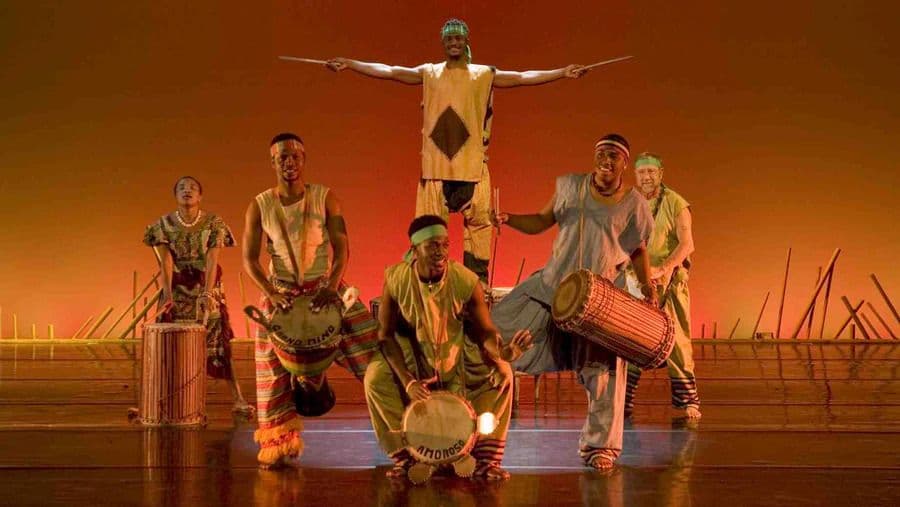
By Mesai M.
The journey from the traditional haute couture houses of Paris to the hyper-stimulating digital billboards of Times Square represents the ultimate modern marriage between heritage luxury and global mass marketing. From such glamorous runways streaming platforms, a new cultural force is rising that isn’t influenced from the usual Western cities but from lively streets in Lagos, colorful workshops in Nairobi, and the film scenes of Cape Town. African fashion, music, and movies are no longer just passing trends but they are creating a major change in the global creative economy. By 2026, the African creative industry is expected to grow into a $58 billion industry, shifting the continent’s story from one of simply taking resources to one of imagination and innovation.
By 2030, estimates suggest Africa’s creative economy could be valued anywhere from $50 billion to $200 billion. This broad range reflects both incredible potential and the significant structural work needed to realize it.
A Cultural Trifecta: Fashion, Beats, and Big Screens
The "African Wave" is being propelled by several interconnected pillars that are transforming the continent’s cultural scene. The first is the Sonic Revolution, where genres like Afrobeats and Amapiano have grown from local sounds into global symbols of pop culture. Artists such as Burna Boy, Wizkid, and Tems are now more than just musicians—they are ambassadors of African culture. By 2026, music is expected to play a central role in this movement, elevating African aesthetics and ideas on the world stage. Major venues like London’s O2 Arena frequently host multiple nights of performances, showcasing elaborate stage setups, large LED screens, and synchronized choreography, with artists like Burna Boy, Wizkid, Asake, Rema, Tyla, and Tems achieving international recognition.
Next is The Fabric of Identity, which focuses on African fashion. African designers are innovatively blending traditional techniques with modern fashion, resulting in a fusion that highlights Africa's creativity and ingenuity. By integrating traditional textile methods into contemporary designs, designers such as Stella Jean and Brother Vellies are not only preserving cultural heritage but also advocating for ethical craftsmanship and fair-trade practices. The incorporation of African weaving traditions into new textiles has sparked a new wave of designers dedicated to celebrating heritage and promoting sustainability, seamlessly combining cultural storytelling with innovative design.
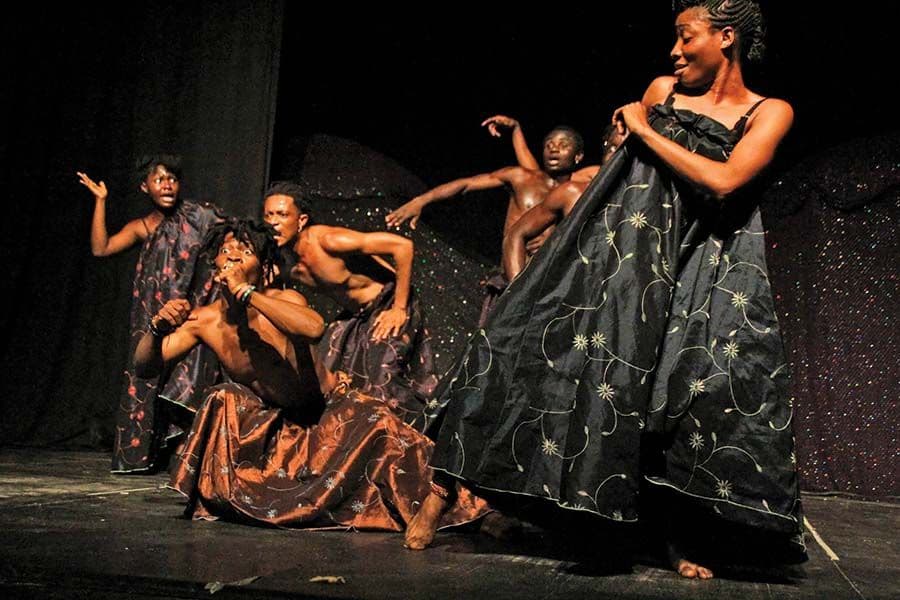
Luxury fashion's interest in Africa has grown, with major brands like Chanel and Dior showcasing African locations and inspirations. Historically, Africa was a backdrop rather than an active participant, but now African designers are gaining global recognition, supported by celebrities and successful brands like Lemlem and Zuri. Designers are combining traditional techniques, like Nigeria’s Adire, Mali’s Bogolan, and Ghana’s Kente cloth with modern, futuristic styles. The industry is projected to surpass $31 billion this year, with "Afro-Luxury" becoming a prominent feature in high-end fashion stores around the world. Designers such as Mastewal Alemu, Boys of Soweto, and Maki Oh are showcasing their work internationally, and some have dressed celebrities at events like the Met Gala, signaling a shift toward greater prominence for African fashion on the global stage.
Finally, the Visual Vanguard highlights African film and media. Nollywood, along with its counterparts in South Africa and Kenya, has shifted from producing large quantities of content to creating high-quality films and shows. Collaborations with global streaming services have provided African storytellers with bigger budgets and broader audiences, ensuring that African perspectives are seen and heard by billions and breaking down old stereotypes that misrepresented the continent.
The Socio-Economic Engine: Jobs, Youth, and Tourism
In recent years, Africa’s creative industries have started to do something that decades of aid efforts couldn’t fully achieve: they are creating meaningful jobs for the continent’s most valuable resource, its young people.
Because nearly 60% of Africa’s population is under 25, many young Africans see the arts and creative fields as a promising future. Whether it’s graphic design, sound engineering, or fashion technology, the creative sector is providing a digital-first career path for a new generation of "born-digital" talents.
At the same time, cultural events like Lagos Fashion Week and the Afro Nation music festivals are transforming tourism. Instead of just visiting safaris or beaches, international travelers are now coming to experience African culture firsthand. These "Cultural Pilgrimages" are helping boost local businesses, hotels, airlines, and shops, bringing a new kind of excitement to the continent.
Another important change is happening through regional cooperation. The African Continental Free Trade Area (AfCFTA) is starting to encourage artists and creators from different countries to work together. Musicians from South Africa are teaming up with film makers in Ghana, helping to build a stronger, united "Brand Africa." This collaboration not only supports trade but also promotes regional pride and identity.
The "Glass Ceiling": Structural Hurdles
Despite the rapid growth of Africa’s creative industries, there are still big challenges that could slow down their progress in the future.
One major problem is limited funding. Many artists and startups find it hard to get traditional bank loans or attract investment. Instead, they often have to rely on their own savings or work extra hard to succeed, which can be stressful and difficult to sustain.
Piracy is another big issue. Because laws protecting intellectual property are weak, creators lose billions of dollars every year to illegal downloads, counterfeit products, and unlicensed copies. This makes it harder for artists to earn a fair income from their work.
Distribution also remains a challenge. While many people can access digital content easily, physical logistics like getting fashion items to stores or distributing movies to local cinemas are still underdeveloped, limiting how far creative products can reach.
Finally, government policies often don’t fully recognize the importance of the arts. Many governments see the creative industries as just entertainment, not a key part of the economy. This means there are few tax breaks or investments in infrastructure that could help artists and creative businesses grow and thrive in the long run.
Building the "Great Green Room": Practical Solutions
To truly take control of its creative future, Africa’s governments and the African Union (AU) are being encouraged to adopt what is called a "Creative Marshall Plan." This plan aims to move the continent from simply being influenced by global culture to becoming a leader and owner of its own creative assets. Agenda 2063 also aims to develop Africa’s cultural sector by promoting art, music, design, and creative industries to shape its identity and increase global influence. It emphasizes empowering artists and entrepreneurs, investing in arts education, and supporting local craftsmanship to foster innovation, preserve heritage, and boost economic growth. The vision is for Africa to be recognized not only for its resources but also for its rich cultural creativity and artistic innovation.
One key step is Intellectual Property Sovereignty. Countries need to update their laws to better protect digital creations. This could involve creating shared registries across Africa and using new technologies like blockchain so artists can earn royalties whenever their work is used worldwide.
Another important part is building Creative Infrastructure Funds. While the African Education, Science, Technology, and Innovation Fund (AESTIF) is a good start, there’s a need for dedicated "Creative Banks" that offer low-interest loans. These would help fund film studios, clothing factories, and sound stages—giving creative industries the tools they need to grow locally.
The plan also includes the "Made in Africa" Mandate. By 2034, the AU’s STISA blueprint aims to turn research into products. For the creative sector, this means developing local textile hubs so African designers can produce clothes locally instead of exporting raw cotton and importing finished garments. This boosts local economies and keeps more value on the continent.
Lastly, Digital Readiness is crucial. Making internet access cheaper and faster, especially in rural areas, will give more people the chance to participate in the "creator economy." A filmmaker in a remote village should have the same chance to reach a global audience as one in a big city.
Finally, Africa is no longer just a consumer of global culture, it is becoming the creator of the new global style. As the continent shifts from exporting raw materials to exporting its own "Cultural IP," the story is changing from "potential" to real "power." If the right policies are put in place, the 21st century will not just belong to Africa, it will be styled, filmed, and soundtracked by Africa.