Dec 20, 2025
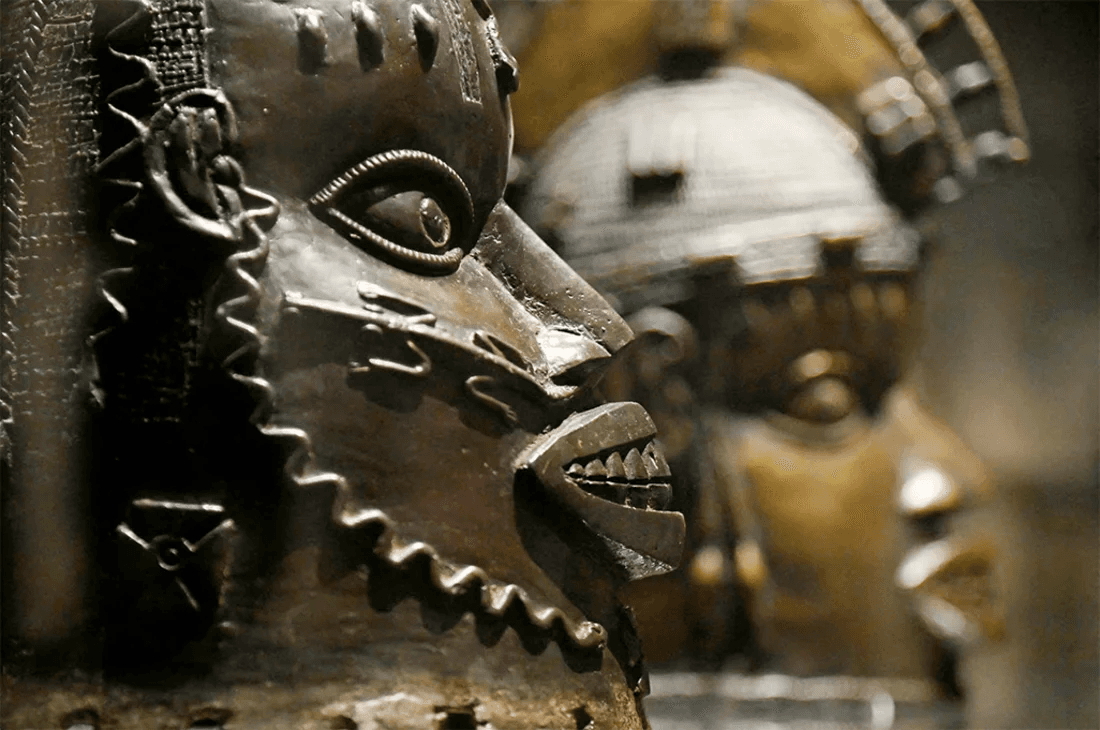
A UK museum has unveiled a new gallery displaying thousands of African artefacts despite knowing little about their origins, highlighting gaps in historical records and colonial-era collecting practices.
The exhibition, called Africa Hub, includes musical instruments, stools, and carved figures acquired through donations, purchases, and institutional transfers, often with minimal documentation.
Sylvia Mgbeahurike of the Igbo Community Greater Manchester, which co-created the display, said some artefacts were gifted while others were stolen or taken by force, stressing the importance of reconnecting them with their communities.
The gallery openly addresses missing knowledge about who made the items, how they were used, or why they were significant, and invites the public to help identify them.
The display comes amid growing global calls for the return of looted artefacts and ancestral remains, with campaigners urging governments to address legal gaps that allow institutions to retain them.
The Manchester Museum in northwest England holds over 40,000 African objects, most kept in storage after being acquired during the British Empire through trade, anthropology, confiscation and looting.
Europe holds vast collections of looted African artifacts, primarily from colonial-era raids like the 1897 British looting of the Benin Kingdom, leading to global demands for repatriation; some countries (Germany, Netherlands, France, UK) are returning items like the Benin Bronzes and Dahomey statues, but major museums (like the British Museum) resist, creating ongoing political and cultural debates over ownership and return, despite growing momentum for restitution.
The Victoria and Alberts Museum in Britain still holds crowns, manuscripts and other artifacts looted from Ethiopia during British Maqdala raid of 1868.
While most of the museum’s galleries and exhibitions reflect years of research, the new display intentionally exposes gaps in the institution’s knowledge.
The artefacts, such as musical instruments, stools and carved figures, entered the museum’s collection through donations, purchases, or institutional transfers, often with little information beyond the donor or institution from which they were acquired.
Museum records rarely tell us who made these items, when they were created, or what they were originally called, Cyprus-Mail reported. “They do not tell us who owned them, how they were used or why they mattered to people,” it added.
Some restitution efforts have been made in Europe and elsewhere but many artefacts and human remains from Africa and other regions are still held across many institutions.
In March, advocates called on the government to fix what they described as a “legislative vacuum” allowing museums and other institutions to hold and display ancestral remains.