UNESCO Fellow Dr. Pearl Abu Leads Breakthrough Maize Research to Strengthen West Africa’s Food Security
Jan 19, 2026
Save
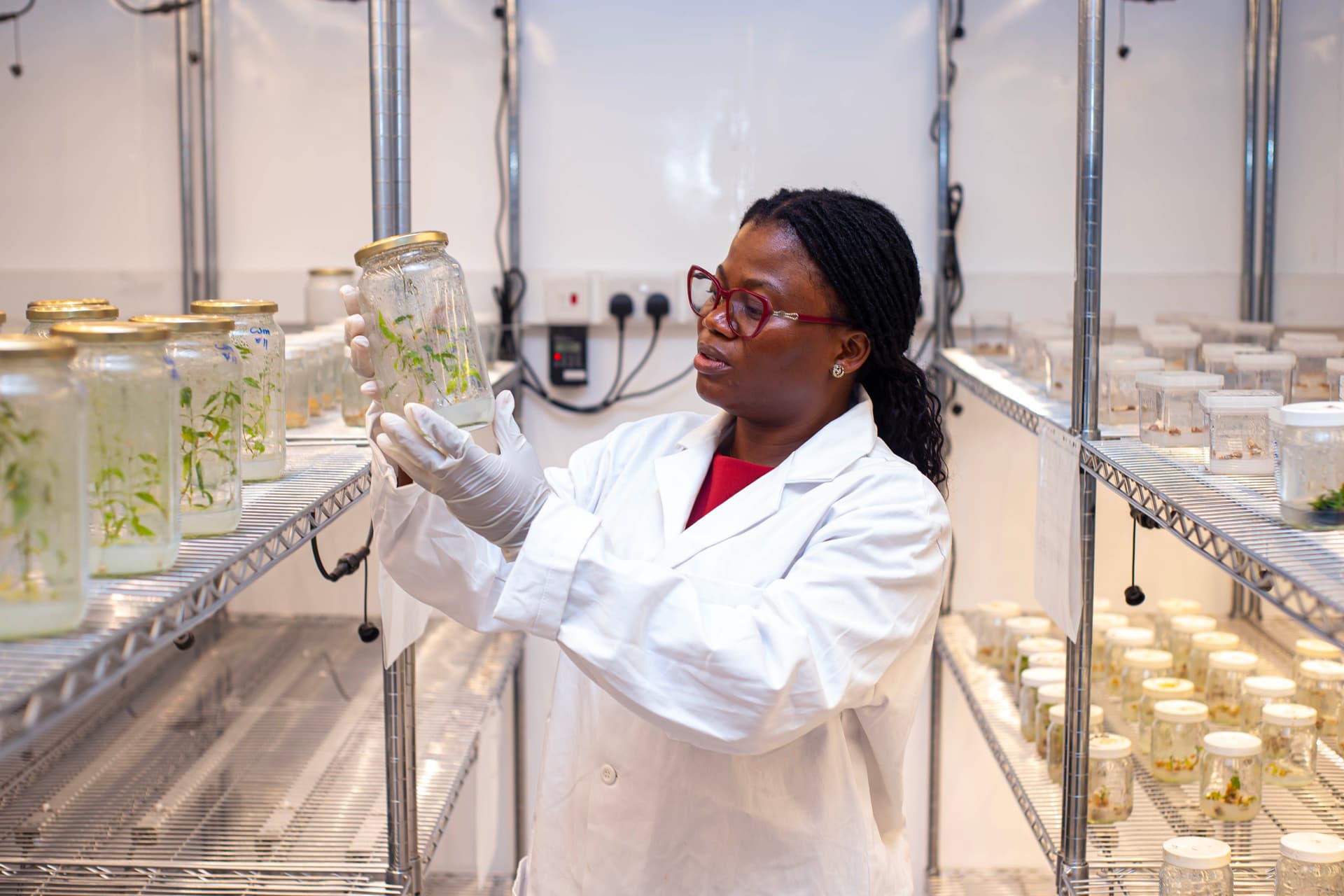
Senior Lecturer at the University of Ghana and Team Lead for Maize at the West Africa Centre for Crop Improvement (WACCI), Dr. Pearl Abu, has been named a 2025 UNESCO–Equatorial Guinea Fellow for Young Women Scientists.
The recent recognition of Dr. Pearl Abu, as a recipient of the 2025 UNESCO–Equatorial Guinea Fellowship for Young Women Scientists highlights the growing impact of her work on food security in West Africa.
Recommended News
EU Warns AI and Digital Platforms Are Fueling Racism and Discrimination
Obasanjo Urges Africa to Take Control of AI to Prevent Digital Exploitation
Ethiopia–Huawei Partnership Targets Digital Sovereignty and Economic Transformation
US Supporting Nigeria Digital Infrastructure with Planned $1B AI-Ready Data Centers in Pipeline
Turning Technological Change into Jobs, Innovation and Inclusive Growth through AI in Africa
Dr. Abu is one of only two African scientists selected for the prestigious fellowship, which honours outstanding female researchers whose work addresses critical challenges on the continent.
Her research focuses on developing high-yielding, nutrient-rich and climate-resilient maize varieties, reinforcing the global relevance of sustainable agriculture to food and nutrition security.
Maize is a staple food for millions of households across West Africa, yet its productivity is increasingly threatened by climate change, soil degradation and limited access to improved technologies.
Through advanced plant breeding and biofortification, Dr. Abu’s work seeks to improve maize yields while enhancing essential nutrients such as protein, vitamin A and zinc.
A key innovation in her research is the use of nature-based solutions, particularly strengthening maize partnerships with beneficial soil microorganisms to reduce dependence on chemical fertilisers and protect soil health.
She is also leading efforts to establish Ghana’s first Double Haploid maize breeding facility at WACCI, a development expected to significantly shorten the time required to produce improved maize varieties.
Beyond research, Dr. Abu is deeply committed to mentoring young scientists and building local capacity in modern plant breeding.
She credits collaboration and mentorship, alongside support from international partners and programmes such as DAAD, as central to her scientific journey.
Through her work, Dr. Pearl Abu continues to demonstrate how science-led innovation can drive sustainable agriculture, strengthen food security and support resilient farming systems across West Africa.