Dec 18, 2025

Tomer Bar-Lavi, the Deputy Ambassador of Israel to Ethiopia and the African Union, has expressed his profound admiration for Ethiopia's remarkable advancements in wheat production.
In an interview with the Pulse of Africa today, the diplomat lauded the nation's journey to becoming a leading wheat producer in Africa, emphasizing the transformative power of agricultural technology in ensuring food security and alleviating poverty across the continent.
Bar-Lavi made the remarks after attending an event in Addis Ababa that screened a film highlighting Ethiopia’s remarkable progress in wheat cultivation, produced by Ethiopian filmmakers based in Los Angeles and attended by diplomats and other dignitaries.
Launched officially in 2019 at the initiative of Prime Minister Abiy Ahmed, Ethiopia’s drive toward self-sufficiency in wheat production has reached notable success, opening a new chapter for the country. Through this effort, Ethiopia has made a historic shift by producing wheat domestically using irrigation, replacing imports that previously cost up to one billion dollars annually.
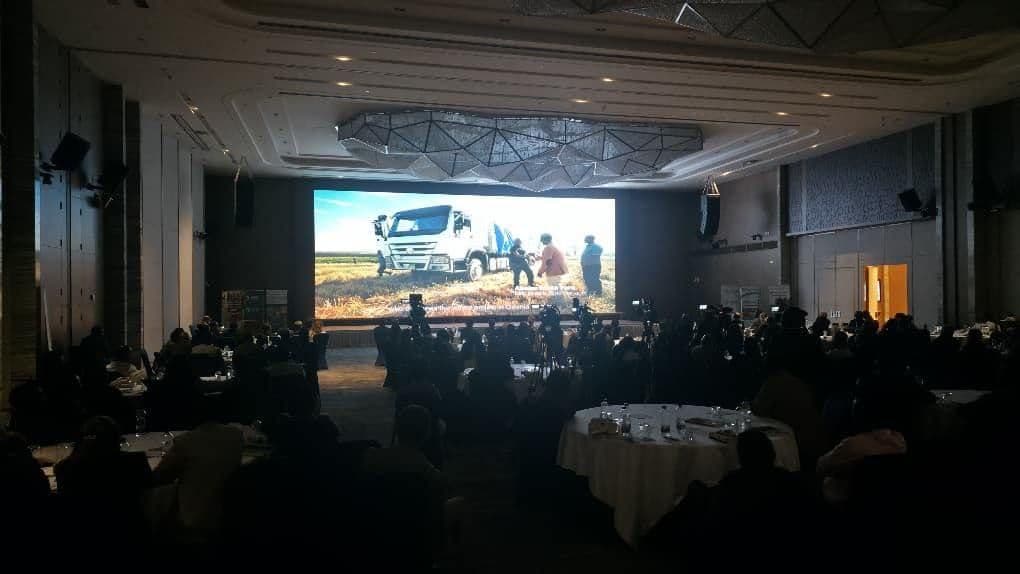
By showcasing the wheat production achievements in the Oromia, Afar, and Amhara regions, the film presents Ethiopia’s growing capacity for self-reliance and helps project a positive national image to the international community.
Recent reports have highlighted Ethiopia's agricultural ambitions, with the government making a major push for wheat self-sufficiency. This initiative has reportedly seen the country not only meet its domestic needs but also begin exporting surplus grain, a significant turnaround for a nation that previously relied on imports.
The Deputy Ambassador underscored the immense potential for Ethiopian smallholder farmers to exponentially increase their yields and economic well-being through the adoption of modern agricultural technologies.
"We've been following this journey for the last few years—how Ethiopia has turned into the leading wheat producer in Africa and really is completely transforming its production of this crop," he stated. He commended the Ethiopian government's significant investments in the sector, which have been pivotal to this success.
He pointed to Israel's own experience and the availability of advanced farming techniques as a blueprint for progress. "If they just make small adjustments to the technologies that they're using—whether it's the seed qualities, whether it's irrigation technologies, and even growing techniques—then their productivity and the yields will go up exponentially," Bar-Lavi explained.
Bar-Lavi emphasized that the combination of Ethiopia's vast natural resources—including productive land and a large workforce—with Israeli technological innovation can unlock unprecedented growth. "Ethiopia is blessed with huge amounts of natural resources," he noted, adding that the strategic implementation of technology is the key to maximizing this potential.
Looking beyond Ethiopia, the Deputy Ambassador positioned the country's success as a model for the entire African continent in its quest to overcome hunger and build prosperous nations.
He asserted that the current moment represents a critical opportunity for Africa to leverage its resources and manpower. "With the resources that exist in this country and on this continent, and with the manpower and the skill that exist, the two aspects together have the potential to really raise people out of poverty by implementing more modern technologies into traditional styles of agriculture," Bar-Lavi concluded.
He stressed that even "slight modifications can have a big impact," empowering communities and fostering sustainable development.