Dec 25, 2025
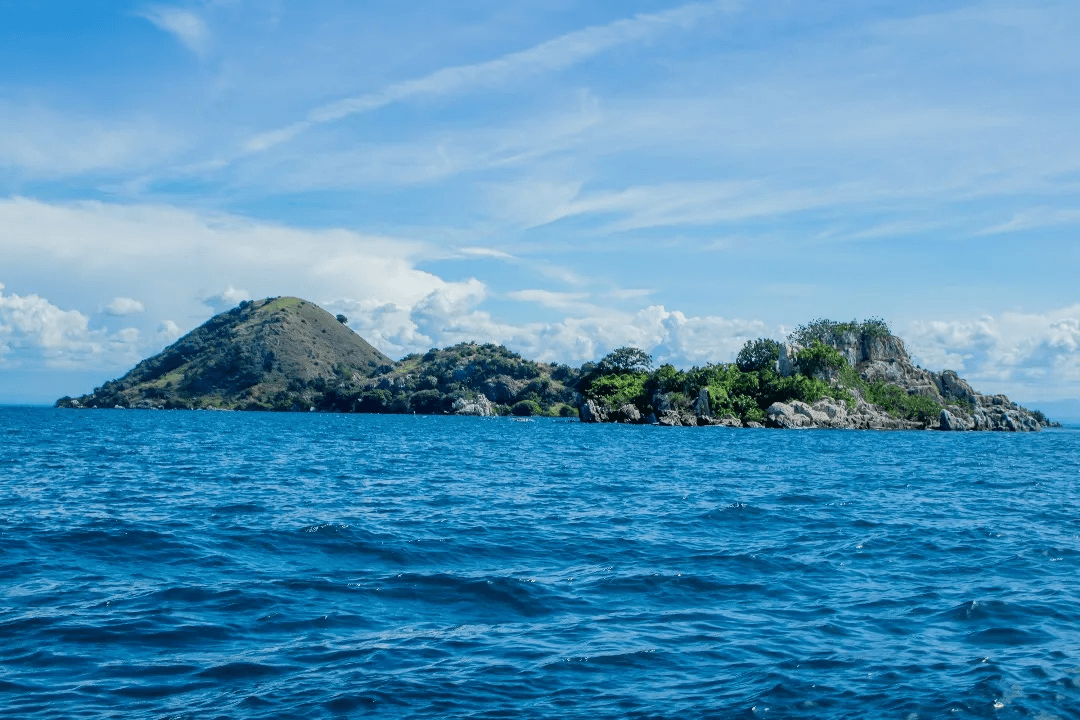
Lake Malawi’s Mbenje Island has become a model for protecting fish stocks through strict community-led rules and an annual four-month fishing ban. Only licensed boats using approved gear may fish there, reducing overfishing and allowing stocks to recover.
The ban, enforced by Senior Chief Makanjira, is longer and tougher than elsewhere on the lake, where a two-month closure is managed by the government. At Mbenje, community fisheries management prioritizes small-scale fishers over commercial operations.
Fishing on the island follows customary laws dating back to the 1950s, including bans on alcohol, fighting, theft, gambling, and harming wildlife.
During the closed season, all fishers leave, and the island is completely dismantled to allow fish to breed undisturbed.
Research supports the success of this approach. A 2025 Marine Policy study found heavier, healthier fish at Mbenje compared with other parts of the lake, while many government-managed areas suffer from severe overfishing and declining species.
Blending conservation with tradition, local leaders also cite spiritual beliefs as key to enforcement. As global overfishing intensifies, Mbenje Island stands out as a locally driven solution sustaining both livelihoods and biodiversity.
Malawi's fish resources primarily come from Lake Malawi, supporting vital fisheries with species like Chambo (Tilapia), Usipa, Utaka, and Kampango, providing crucial animal protein but facing pressure from overfishing and high demand, leading to a growing emphasis on sustainable aquaculture, especially tilapia farming, for food security and economic stability, though challenges in inputs and skills remain.
Africa's fish sector generates substantial revenues, with the overall Fish and Seafood market projected at $67 billion in 2025, growing annually, while exports alone jumped from $2.7B (2000) to $8B (2022), supporting millions of jobs.
Key revenue drivers include domestic consumption (Fresh Fish market $32.57 billion in 2025), growing aquaculture, and value-added processing like fish fillets and meal, with countries like South Africa showing significant domestic sales in hake, squid, and processed products.