Nigeria, World Bank Sign $500m to Boost Education, Health
Dec 25, 2025
Save
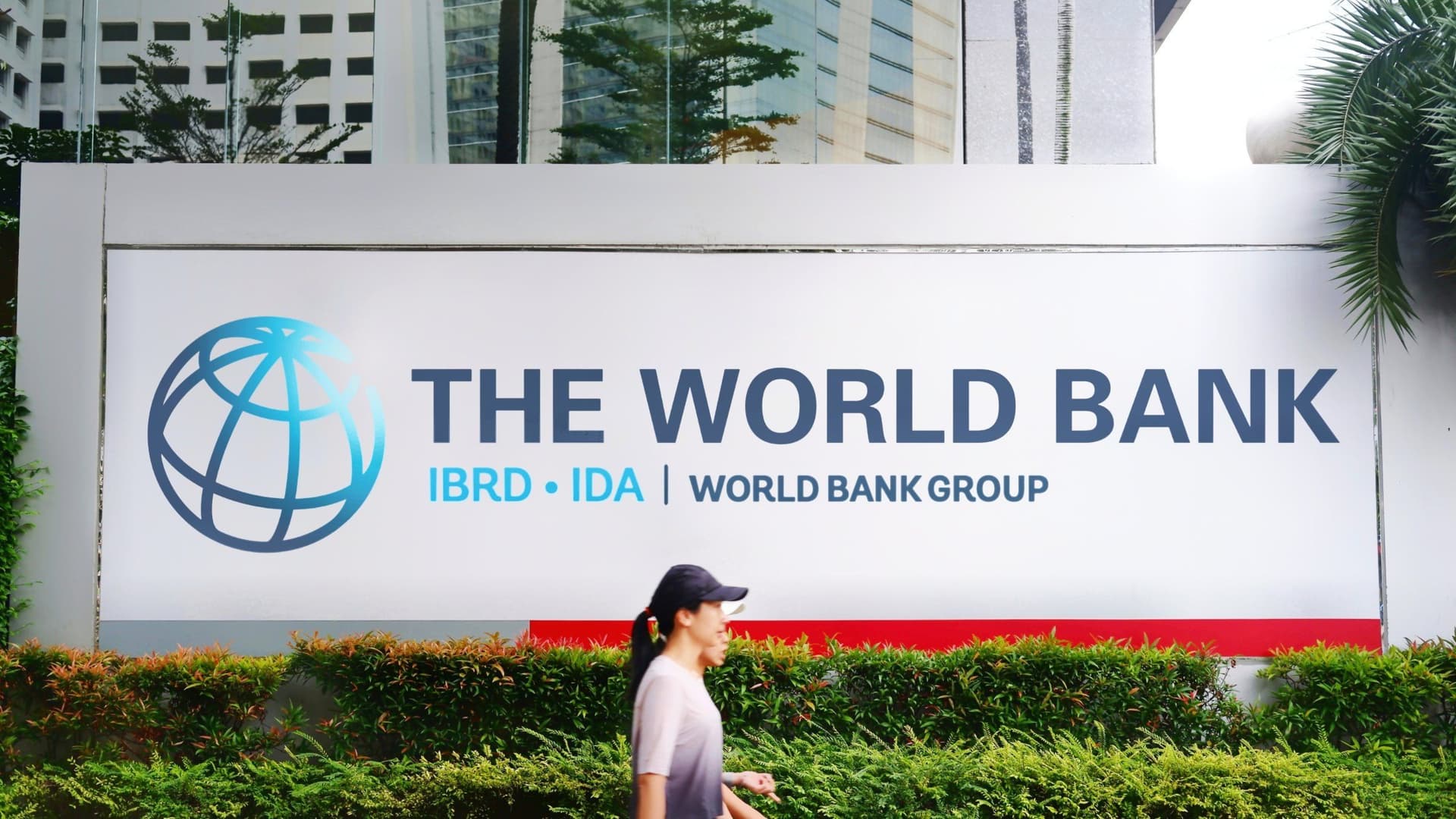
Nigeria and the World Bank have begun implementing a $500 million Human Capital Opportunities for Prosperity and Equity–Governance (HOPE-GOV) Program to strengthen basic education and primary healthcare nationwide.
The initiative aims to fix long-standing governance gaps, particularly weak financial and human resource management at the state level, which have contributed to high numbers of out-of-school children and underperforming primary healthcare centers.
Recommended News
Ethiopia, U.S. Treasury Pledge Stronger Economic Partnership
Under the program, $480 million will be used to reward states that meet performance targets in education and health, while $20 million will fund coordination, monitoring, verification of results and technical assistance.
HOPE-GOV focuses on increasing sector funding, improving transparency and accountability in budgeting and audits, and boosting the recruitment and retention of teachers and primary healthcare workers.
Approved by the World Bank in 2024 and effective from September 2025, the program has attracted interest from all 36 states and the Federal Capital Territory, as Nigeria seeks to improve its low human capital outcomes.
A statement issued by the programme’s Communications Officer, Joe Mutah, said the intervention was designed to address long-standing governance gaps in the education and health sectors, particularly at the sub-national level.
Nigeria has one of the highest numbers of out-of-school children globally, while primary healthcare centres across many states remain understaffed, underfunded and poorly equipped, challenges that have been compounded by weak public financial management systems at the sub-national level.
Hassan identified three core focus areas of the HOPE-GOV Programme as increased financing for basic education and primary healthcare, improved transparency and accountability in budgeting and audits, and enhanced recruitment and retention of teachers and primary healthcare workers.
For HOPE-Governance, our primary objective is to see how we improve financial and human resource management in these two sectors by focusing on three key areas: the first is an increase in funding for the two sectors.
“In this regard, we are working with the Universal Basic Education Commission as well as the Ministerial Oversight Committee, Basic Health Care Provision Fund in the Federal Ministry of Health and their counterparts at the state level.
“Then the second key area is enhance transparency and accountability in the budget for both sectors, the audit report, and the citizens’ format budget. Basically is about public financial management in the two sectors.