Jan 2, 2026
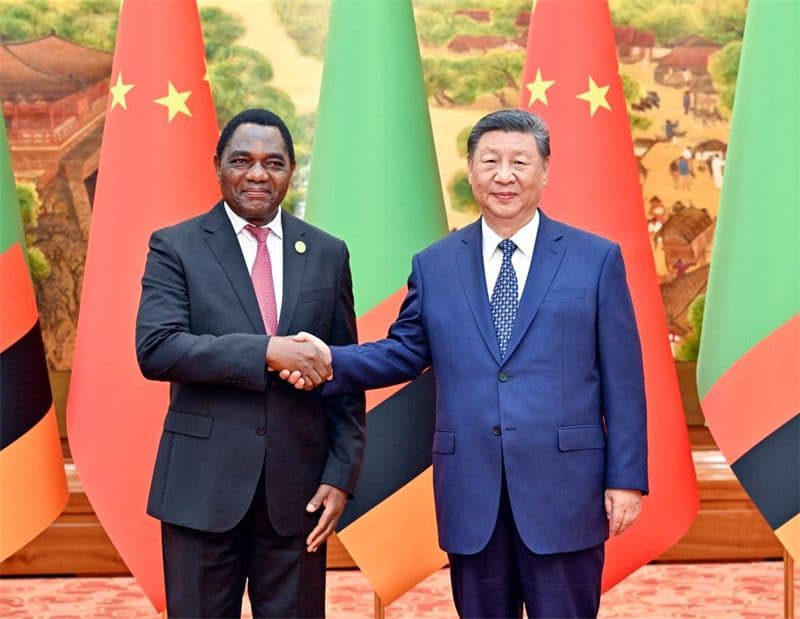
Zambia has become the first African country to formally accept China’s yuan for mining taxes and royalties, signaling a landmark shift in the continent’s resource economy.
The Bank of Zambia confirmed that payments in renminbi began in October, reflecting the growing role of China as both Zambia’s largest copper buyer and one of its major creditors.
According to Bloomberg, Chinese mining companies operating in Zambia are now settling part of their tax obligations in yuan.
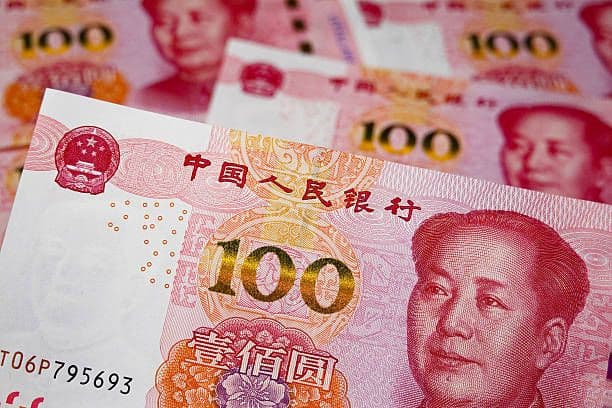
The central bank said the move aligns with its reserve-management strategy, as a large portion of Zambia’s copper exports are destined for China, and Chinese firms already receive payments for exports in renminbi.
“A large portion of copper exports go to China, and the Chinese mining firms already receive some, if not all, of their payments for their exports to China in renminbi,” the Bank of Zambia said. “Holding renminbi allows us to diversify reserves and service Chinese debt more cost-effectively.”
Last month, the Bank of Zambia began publishing an official renminbi-kwacha exchange rate, enabling mining companies to choose whether to pay taxes in U.S. dollars or yuan.
The system builds on rules introduced in 2018 and expanded in 2020 that required miners to sell foreign currency to the central bank to bolster Zambia’s depleted reserves during its debt crisis.
Zambia’s adoption of the yuan comes amid a broader African context where Chinese investment in mining, infrastructure, and debt financing has grown steadily over the last two decades. Countries like the Democratic Republic of Congo, Angola, and Zimbabwe have long relied on China for financing key extractive projects.
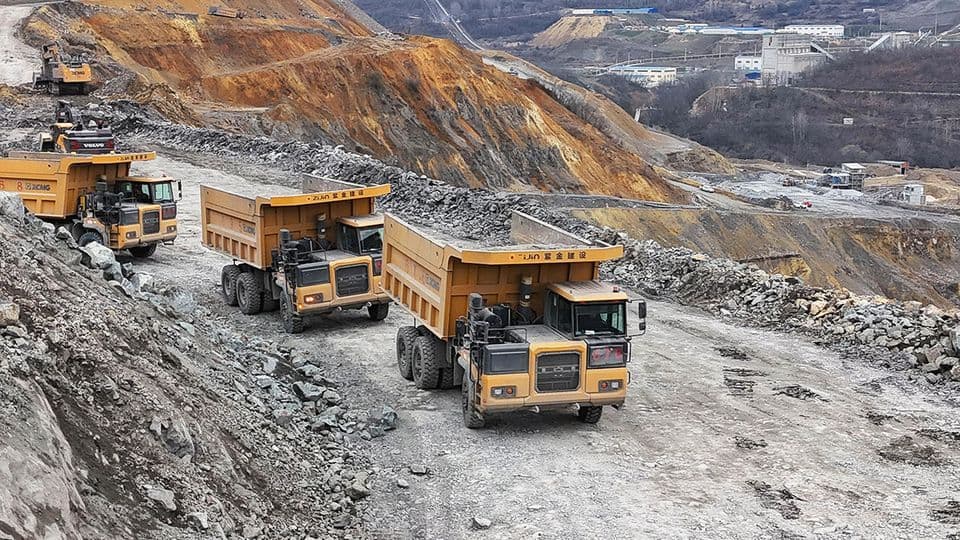
Zambia’s move, however, is the first time an African nation has formally integrated China’s currency into its tax and reserve system, signaling that China’s influence on the continent is no longer limited to trade and loans but is now extending into the financial architecture of African economies.
Analysts say the shift reflects China’s ongoing strategy to internationalize the yuan, using Africa—home to vast mineral wealth—as a testing ground.
For Zambia, which is Africa’s second-largest copper producer, the yuan-based system could reduce currency risks, lower debt servicing costs, and strengthen ties with its largest trading partner.
“The shift to yuan payments underscores how China’s influence in Africa’s mining sector is now matched by its growing currency footprint,” analysts note, highlighting a new chapter in Africa-China economic relations.