Jan 6, 2026
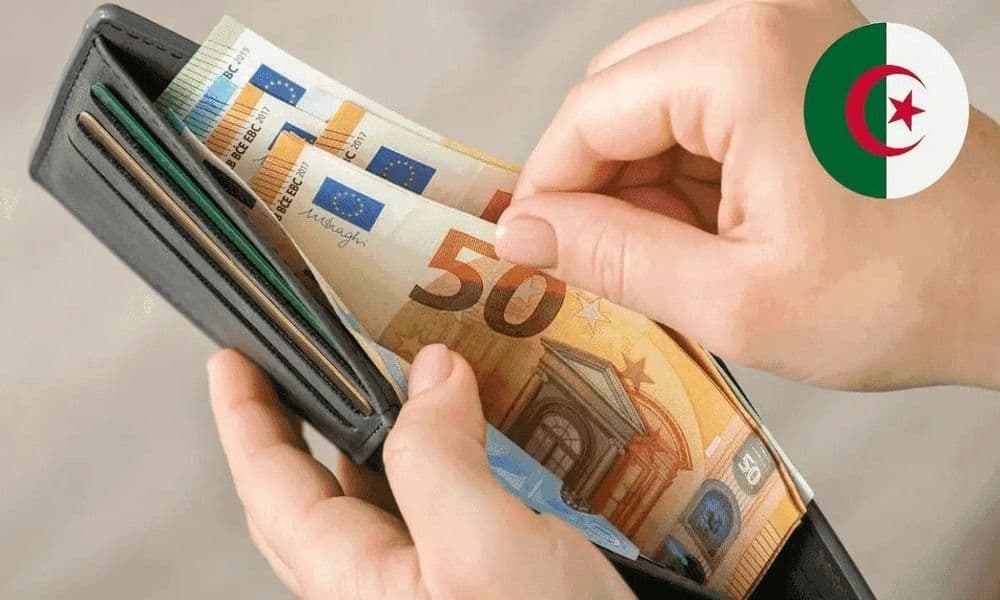
The 2026 Finance Law, which took effect on January 1, 2026, has introduced rigorous new exchange control regulations for non-resident travelers entering and exiting Algeria.
Aimed at dismantling the country’s expansive parallel currency market, the law specifically targets foreign tourists and members of the Algerian diaspora. These groups have historically bypassed official banking channels to take advantage of informal exchange rates, which currently sit more than 80% higher than official government rates.
Under the new provisions of Article 129, travelers are now required to declare all foreign currency, precious metals, and negotiable securities exceeding a value of €1,000 to customs officials upon both arrival and departure. While a declaration requirement previously existed, the 2026 law introduces a significant shift in enforcement: travelers must now provide formal bank or exchange bureau receipts upon departure to prove that any currency converted during their stay was handled through legal, state-authorized channels.
The inability to produce official proof of exchange makes any informal transactions legally indefensible during customs inspections. Travelers found without valid documentation for their converted funds face strict penalties and potential prosecution under the newly promulgated legislative standards. By tightening these rules, Algerian authorities intend to reroute hard currency into the formal economy, stabilize the national currency, and gain tighter control over cross-border financial flows.
This reform is a cornerstone of Algeria’s broader 2026 strategy to rebalance its foreign exchange market and combat the informal economy. For travelers, these measures necessitate a shift in behavior, as the risks associated with the black market now include not just financial scams, but direct legal consequences and the potential seizure of funds at the border.