Libya validates national reconciliation charter
Jan 9, 2026
Save
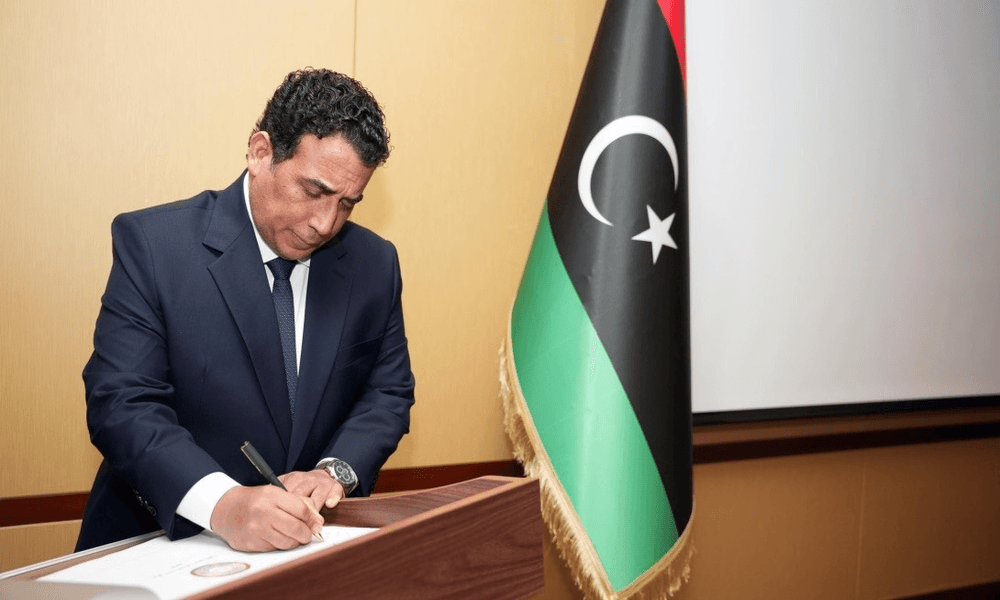
The head of the Libyan Presidential Council, Mohammed Menfi, has approved the National Reconciliation Charter in Tripoli, presenting it as a foundational step toward social peace and lasting stability in the country.
Menfi, approved the charter during an official ceremony in the presence of members of the Supreme Council for Peace and National Reconciliation, as well as representatives of diplomatic missions accredited to Libya, according to the Presidential Council’s media office.
Recommended News
World Bank Backs Zambia’s Forestry Development Plans
In his opening speech, Menfi described the charter as “the fruit of a sincere national effort and collective will,” grounded in the conviction that Libya cannot achieve stability or progress without comprehensive reconciliation.
He stressed the importance of dialogue, tolerance, and the primacy of the national interest, deeming these principles indispensable pillars for the reconstruction of the Libyan state after years of political divisions and armed tensions.
He also emphasised that the signing of the charter is not an end in itself. “It does not mark the end of this journey, but rather the beginning of a new phase,” he declared, referring to a stage that requires continuous, serious, and responsible commitment from all national stakeholders.
According to him, the challenge now lies in the effective implementation of the charter and in translating its principles into concrete results perceptible by citizens in their daily lives.
On the institutional level, Mohammed Menfi announced his full support for the Supreme Council for Peace and National Reconciliation, established under the charter. He reiterated that this body will play a central role in monitoring and supervising the application of the commitments made, as well as supporting the reconciliation process to ensure its continuity.
The move aims, he stated, to sustainably establish social peace, promote justice, facilitate mechanisms for redress, and restore trust among Libyans.
In a strong symbolic and political dimension, Menfi also announced the adoption of a decision designating January 7 of every year as the National Day for Peace and Reconciliation, APA News reported.
He posited that reconciliation “is not a temporary political option,” but a religious and national duty, a strategic choice, and a historical responsibility toward the country and future generations.
This approval comes in a context where the international community regularly calls on Libyan actors to prioritise dialogue and inclusive solutions.
The National Reconciliation Charter is thus presented as a framework of reference designed to guide Libya toward durable political and social stabilisation, an essential condition for any prospect of institutional and economic recovery.