Jan 16, 2026
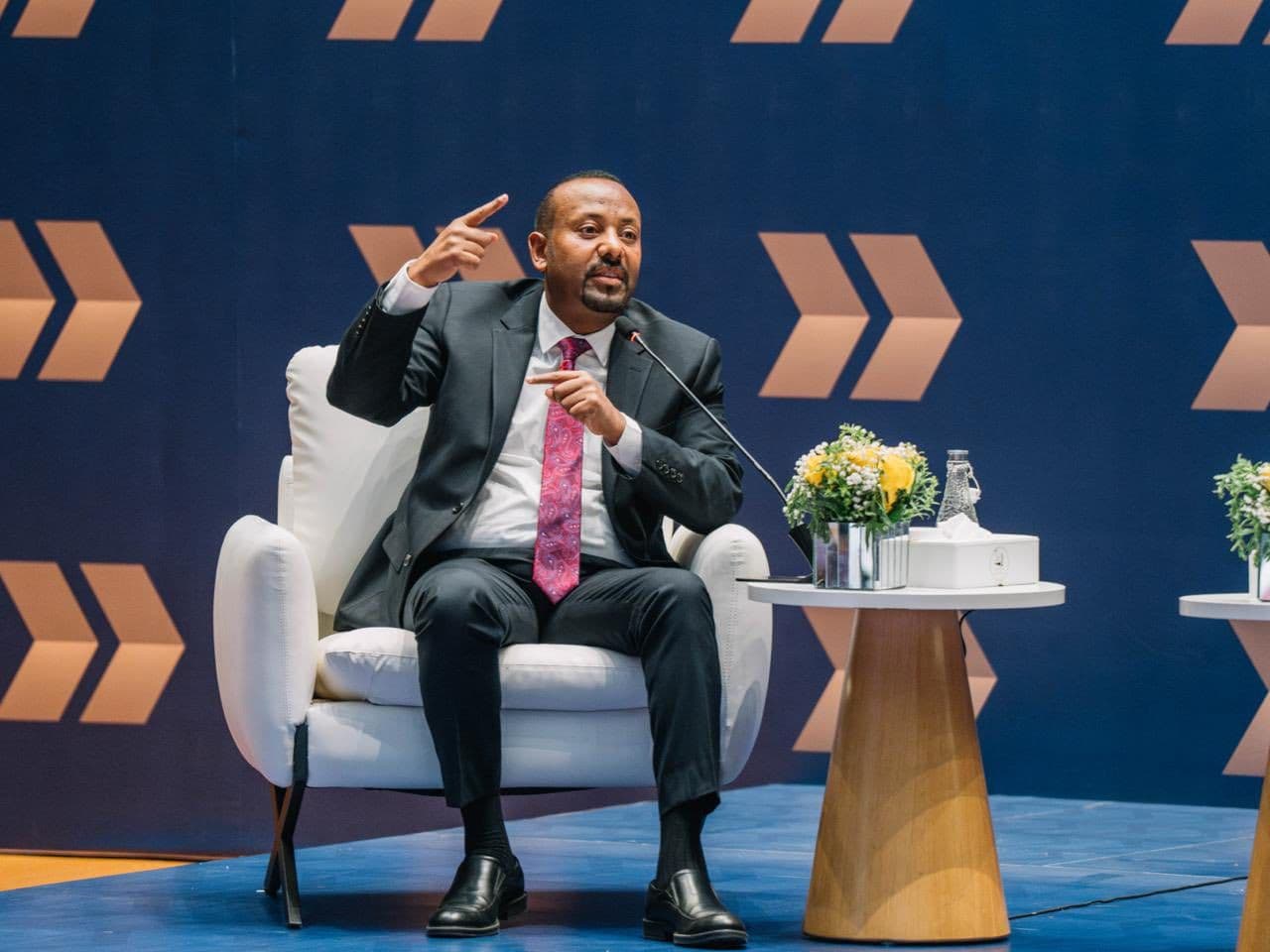
Ethiopia’s Prime Minister Abiy Ahmed has appraised that the series of economic reform agenda his administration has embarked upon have positively altered the Horn of Africa nation’s economic trajectory by addressing macroeconomic imbalances, debt burden, foreign exchange shortages, and market instability.
These challenges had been dominant features of the Ethiopian economic life before 2018, but decisively and boldly attacked by his reform-leaning government, Abiy said during the Q&A held as part of a “Finance Forward Ethiopia” conference that took stock of the five-year journey of the country’s Homegrown Economic Reform agenda.
The conference, according the organizers, provided a high-level platform to reflect on the performance and efficiency of major financial institutions charged with implementing a series of economic reform agenda of the country. Accordingly, leaders of the principal financial and regulatory institutions presented performance reports, based on which in-depth discussions ensued.
The Prime Minister, who also detailed his government’s key focus areas, acknowledged the fact that the series of economic reforms launched since he took office in 2018 have meaningfully bettered the country’s economic trajectory.

As a result, Ethiopia has recorded tangible outcomes and emerged as one of the fastest-growing economies in Africa. The first and second Home-Grown Economic Reform programs have laid the foundation for strong and modern institutions and introduced innovative and efficient strategies to boost government revenue.
The reforms enabled a significant expansion of the tax base and improvement in the tax collection performances, much of it, he said, is attributable to sound government policies, tight implementation follow up and adoption of digital systems that enhanced transparency and accountability.
Inflation declined from over 30 percent in June 2019 to 9.7 percent by December 2025, while foreign exchange reforms have helped increase currency availability and narrow the gap between official and parallel market rates. The Prime Minister underlined that such drastic changes would not have been achieved without the government’s bold and wise decisions.
As part of its broader reform agenda to modernize the economy and harness abundant national resources, Ethiopia has also established key institutions such as the Ethiopian Capital Market Authority, Ethiopian Investment Holdings, and the Ethiopian Communications Authority.
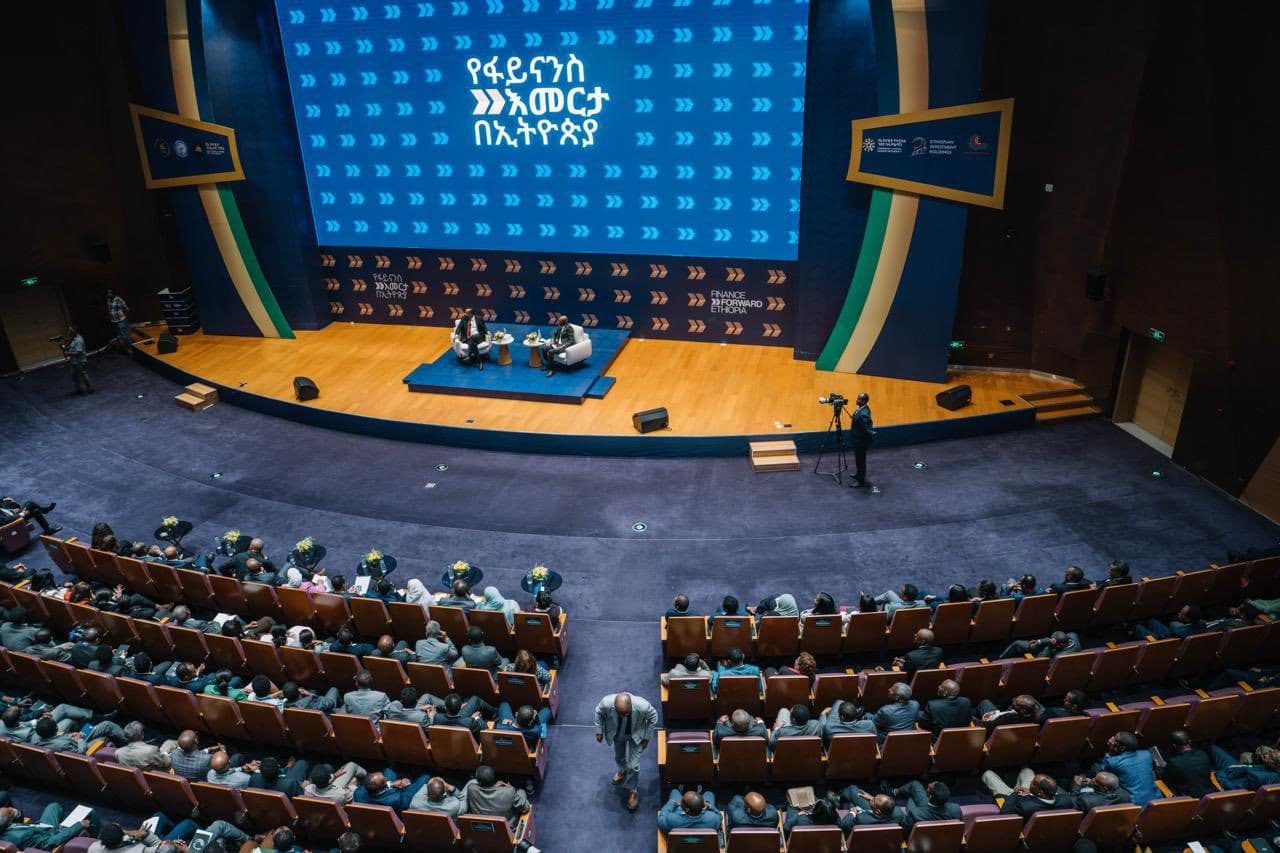
These institutions are playing a pivotal role in strengthening market governance, attracting investment, and unlocking the country’s untapped economic potential.
Prime Minister Abiy acknowledged that, despite the visible gains achieved through the reforms, Ethiopia has yet to fully realize its economic potential. He stressed that future efforts must focus on unlocking the country’s vast untapped resources to sustain inclusive and long-term growth.