Jan 20, 2026
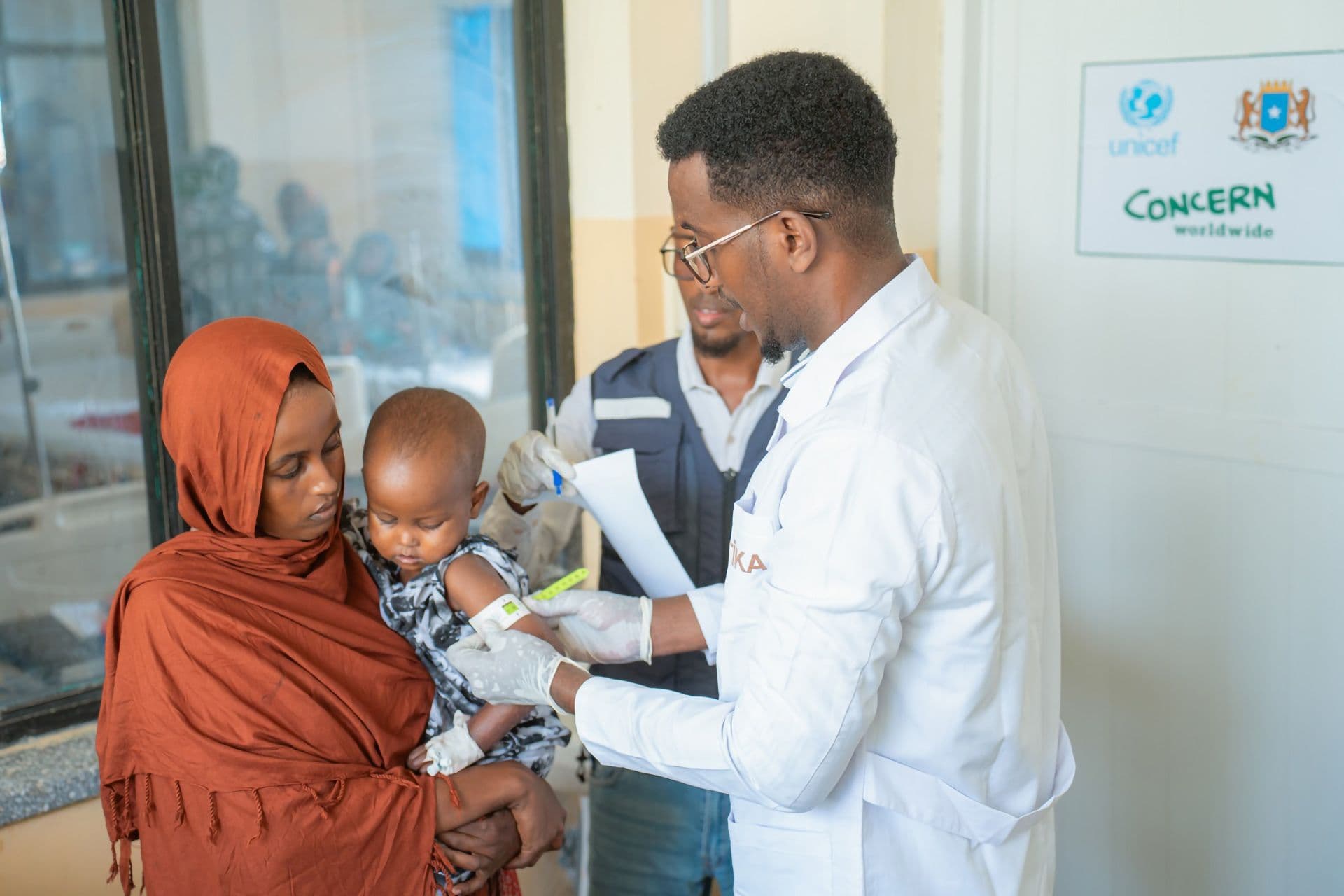
The World Health Organization (WHO), with support from the European Civil Protection and Humanitarian Aid Operations (ECHO), has launched a nationwide effort to strengthen Somalia’s response to acute malnutrition by training frontline health workers on updated national guidelines.
Acute malnutrition remains a major public health challenge in Somalia, particularly among children under five, pregnant and breastfeeding women, and other vulnerable groups.
In response, WHO, in collaboration with the Federal Ministry of Health, is rolling out the 2025 revised national guideline for the prevention and management of wasting and nutritional oedema (severe sign of deficiency especially of protein), aligning Somalia’s approach with the latest global evidence.
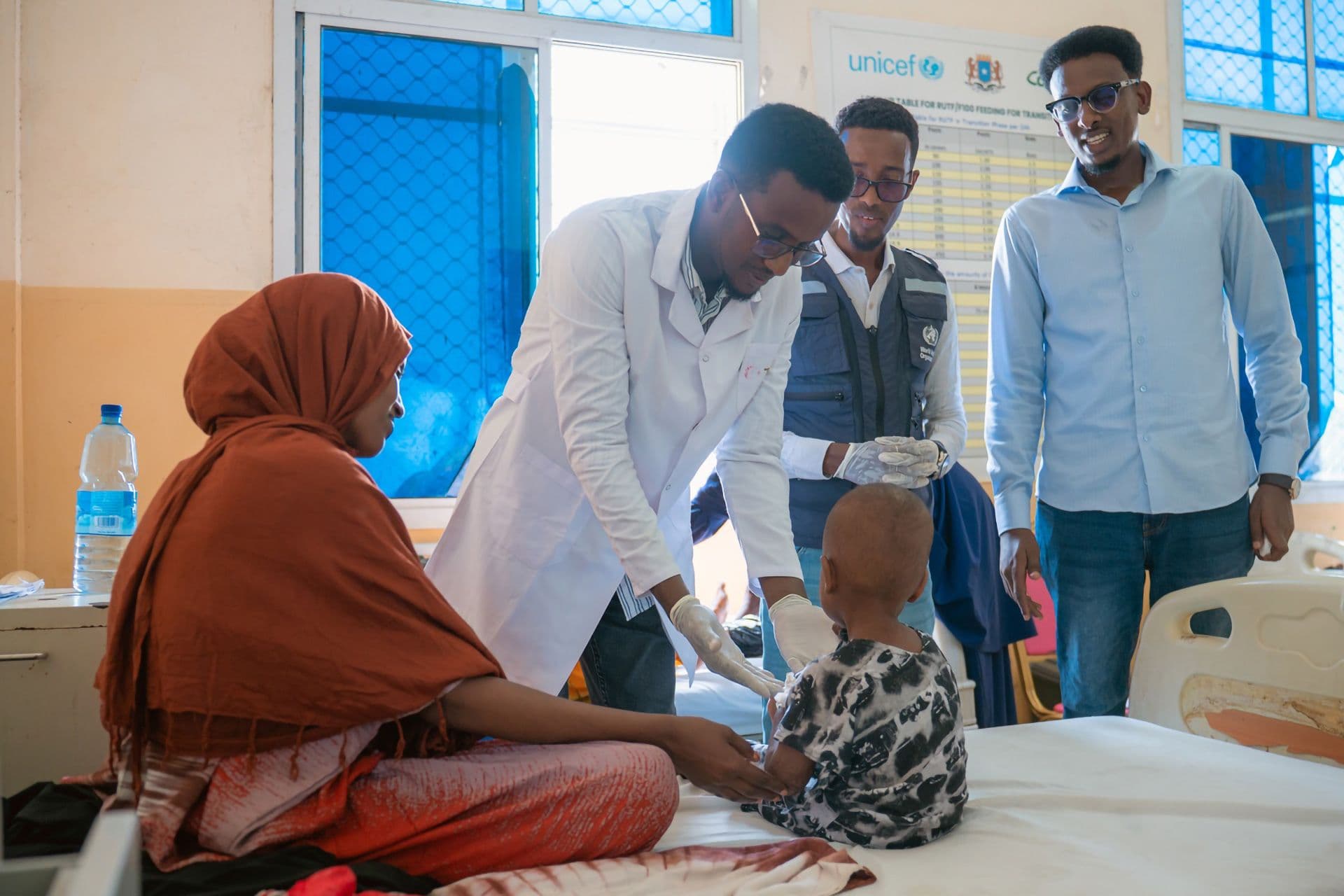
More than 40 health professionals from hospitals and stabilization centers across the country recently completed a two-week training-of-trainers program. The initiative aims to equip national trainers with the skills to cascade standardized, high-quality nutrition care to health workers nationwide.
According to WHO Somalia Nutrition Officer Aweis Olow Hassan (M.D.), the revised guideline places stronger emphasis on prevention and early detection, expands care for nutritionally at-risk infants under six months, and introduces updated protocols for moderate wasting and nutrition in emergency settings.
Health and nutrition specialists from organizations including World Vision Somalia and Concern Worldwide said the program addressed inconsistencies in case management and strengthened guidance for supporting mothers, caregivers, and vulnerable patients, including those living with HIV and tuberculosis.
WHO and Somalia’s Ministry of Health say investing in national trainers will help build a sustainable health workforce capable of improving nutrition services and child health outcomes across the country. Health workers also stressed the importance of community engagement, urging families to seek care early and prioritize preventive nutrition practices to reduce the risk of severe malnutrition.