Jan 24, 2026
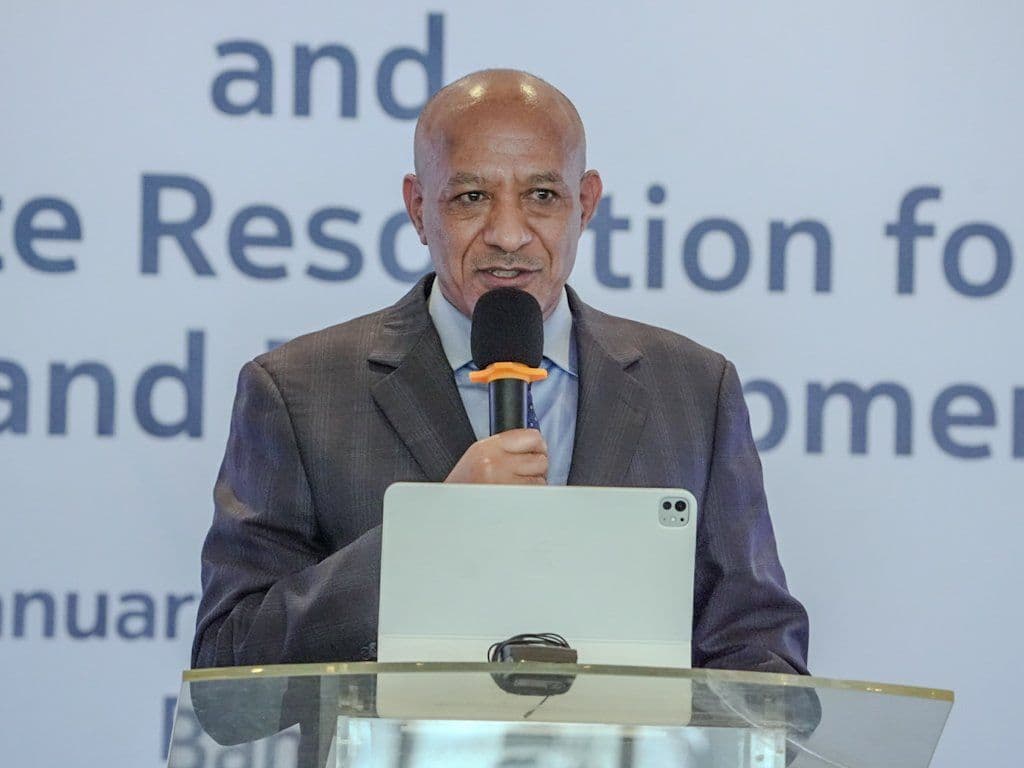
Ethiopia’s Deputy Prime Minister Temesgen Tiruneh called for decisive action to harmonize formal and customary justice systems, saying their integration is essential to ensuring accessible, inclusive, and rights-based justice.
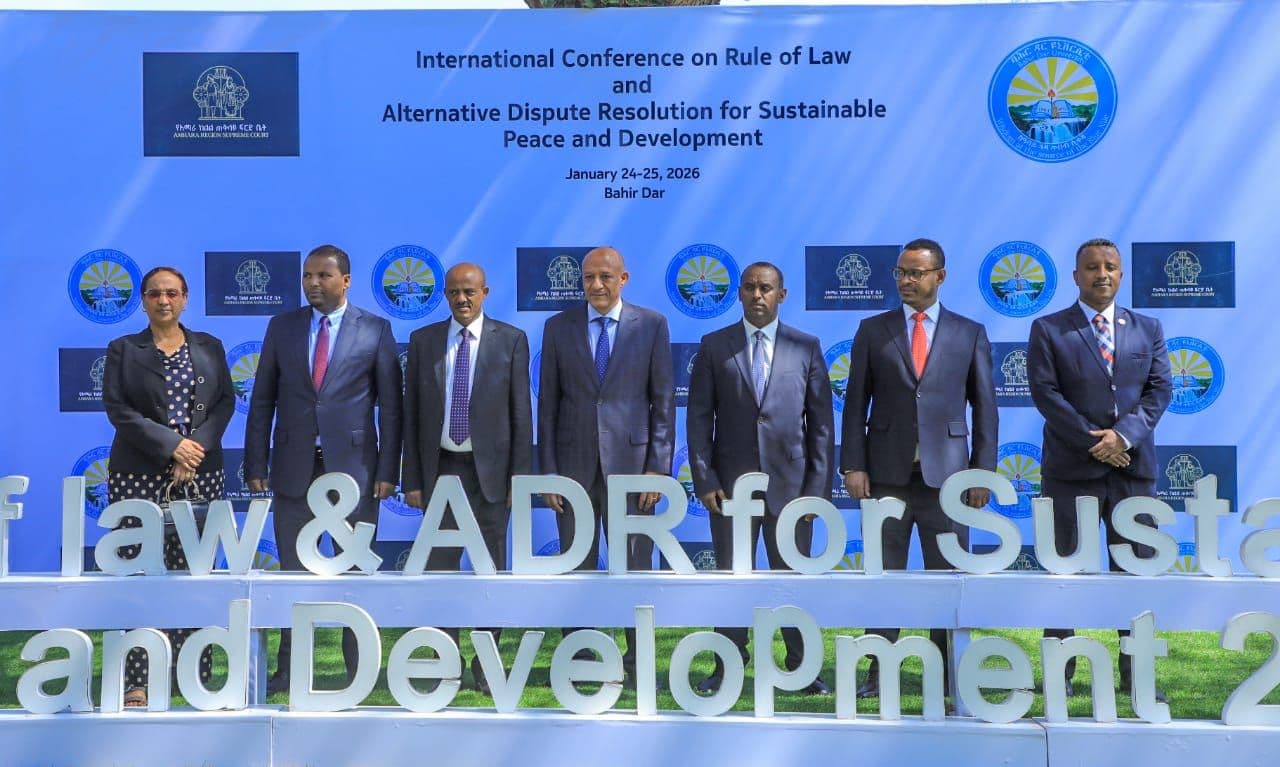
He made the remarks at the opening of the first International Conference on Rule of Law and Alternative Dispute Resolution for Sustainable Peace and Development in Bahir Dar, an event bringing together government officials, African Union representatives, academics, and regional stakeholders to share Ethiopia’s experiences as potential models for Africa.
The conference focuses on harmonizing formal and traditional justice mechanisms as a foundation for sustainable peace, inclusive development, and national unity.
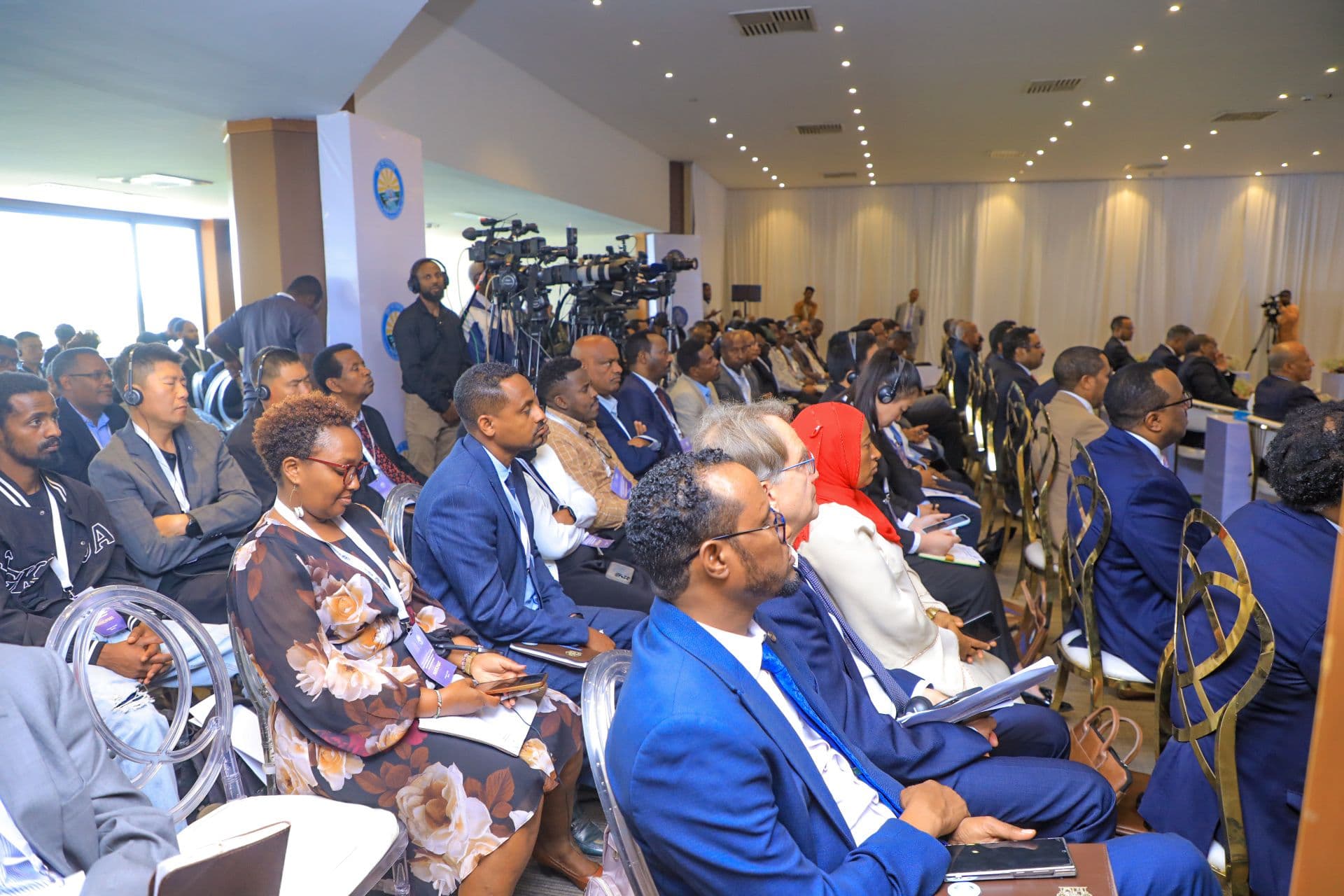
The Amhara Regional Supreme Court organize this international conference jointly with Bahir Dar University.
Deputy Prime Minister stated that while Ethiopia has made notable progress in modernizing its formal justice institutions, the majority of people in the country continue to resolve disputes through long-standing traditional mechanisms that, to date, have not been accorded their rightful place within the justice system.
“Drawing upon the enduring values of our past, cultivating new values for today, and working collectively to ensure a prosperous Ethiopia tomorrow—these are among our fundamental responsibilities,” he noted.
This moment calls for decisive action to establish a framework in which formal and customary justice systems operate side by side—harmonized, mutually reinforcing, and firmly grounded in principle—so that justice that is accessible, acceptable, and rights-based may prevail across the nation, Temesgen underlined.
“Achieving this requires integrating traditional justice systems with modern legal thinking, granting them appropriate legal recognition, updating their procedures, and aligning them with the broader national justice reforms currently underway.”
When properly recognized, strengthened, and applied, these mechanisms can significantly ease the heavy caseload burden on formal courts, while providing dispute resolution outcomes that enjoy greater community acceptance and a stronger sense of local ownership.
He further expressed his firm believe that this conference will help chart a clear path toward achieving the most effective synergy between formal and customary justice systems.
“A justice system that is both modern and deeply rooted in our cultural heritage—swift, fair, inclusive, and trusted—is indispensable to sustainable peace, development, and national unity,” Temesgen stated.