Ethiopia Builds Africa’s Monumental GERD Using Solely Own Resources, Says PM Abiy
Feb 3, 2026
Save
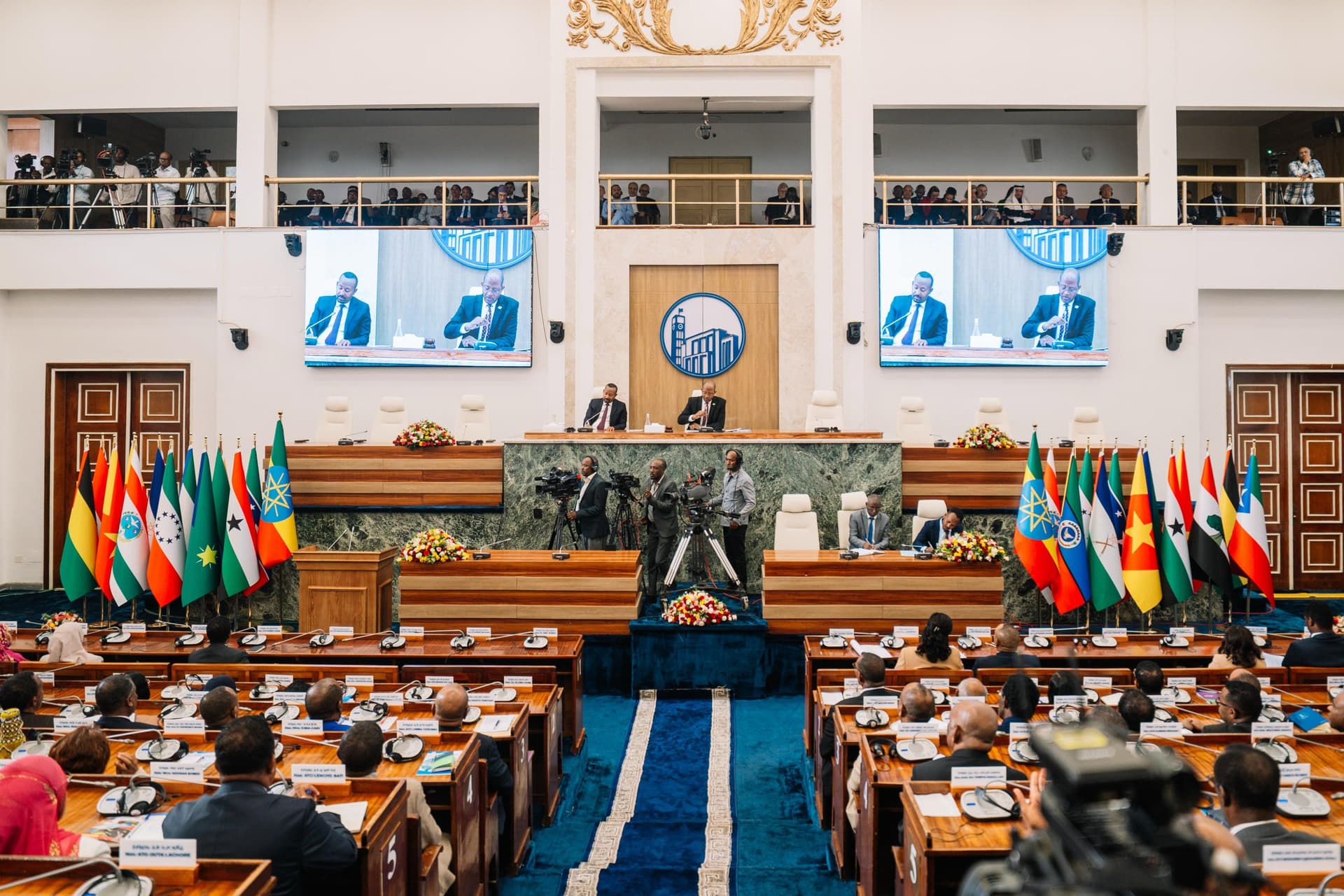
Ethiopia has constructed the Grand Ethiopian Renaissance Dam (GERD)—one of Africa’s largest infrastructure projects to date—entirely using its own resources, with no foreign loans or external assistance, Prime Minister Abiy Ahmed told lawmakers on Tuesday.
Prime Minister Abiy presented his government’s mid-term performance report to the House of Peoples’ Representatives, that included a question and answer with the members of parliament.
Recommended News
IGAD Calls for Harmonized Drug Regulation, Stronger Bioequivalence Testing in Africa
PM Abiy, President Chapo Held Bilateral Talks on Strengthening Cooperation, Advancing Shared Interest
Ethiopia’s Sea Access Quest Sparks Red Sea Security Debate
According to the Prime Minister, the $5 billion hydroelectric generation and a pioneering project on the continent, was realized through Ethiopian determination and strong government-led project oversight.
It cannot be said that a government which successfully completed the Grand Renaissance Dam without a single birr of aid or loan is incapable of carrying out major projects, according to the reform-minded prime minister. “Ethiopia did not take even one birr in aid or loans for the Renaissance Dam; it is a collective national project realized through the firm determination, resilience, and unity of heroic Ethiopians who stood together and worked tirelessly.”
Beyond the GERD, Ethiopia is also advancing with similar other infrastructural projects, including the second-largest hydroelectric power station in Africa, the Koysha Hydroelectric Project.
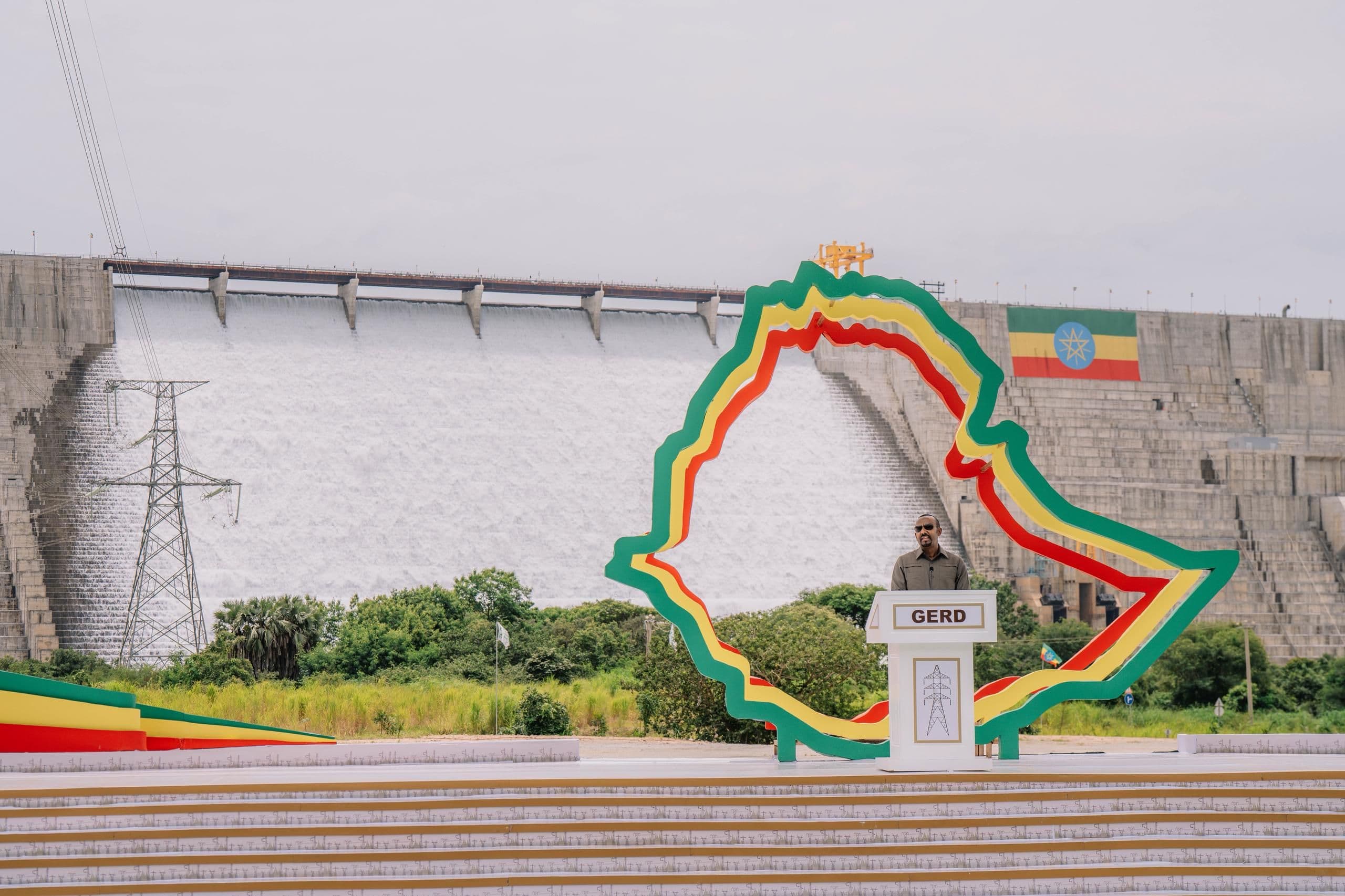
The government has actively managed the construction of related infrastructure, including a fertilizer factory, gas refinery, and other mega projects.
The GERD, built on the Abbay River, is Africa’s largest hydroelectric dam and a symbol of Ethiopia’s ambition to become a regional energy hub.
With more than 5,000 MW of installed capacity, GERD provides power domestically and to neighboring countries. The dam is also crucial for water regulation, irrigation, and boosting economic development, making it a strategic asset not only for Ethiopia but for the entire region.
Ethiopia emphasized that the GERD is a testament to national pride, technical expertise, and Africa-driven development, underscoring Ethiopia’s commitment to using its resources to secure a sustainable and prosperous future for its citizens.
GERD was inaugurated earlier in September with regional leaders attending, and blessing the hydro scheme as being vital for regional integration.
Ethiopia has already been exporting electricity to Sudan, Djibouti and Kenya as part of the regional power interconnection, while the country plans to expand exports to Tanzania and other countries of the Eastern and Southern Africa regions.