ECA Chief Calls for Radical Shift in Africa’s Development Strategy Amid Global Economic Turmoil
Feb 11, 2026
Save
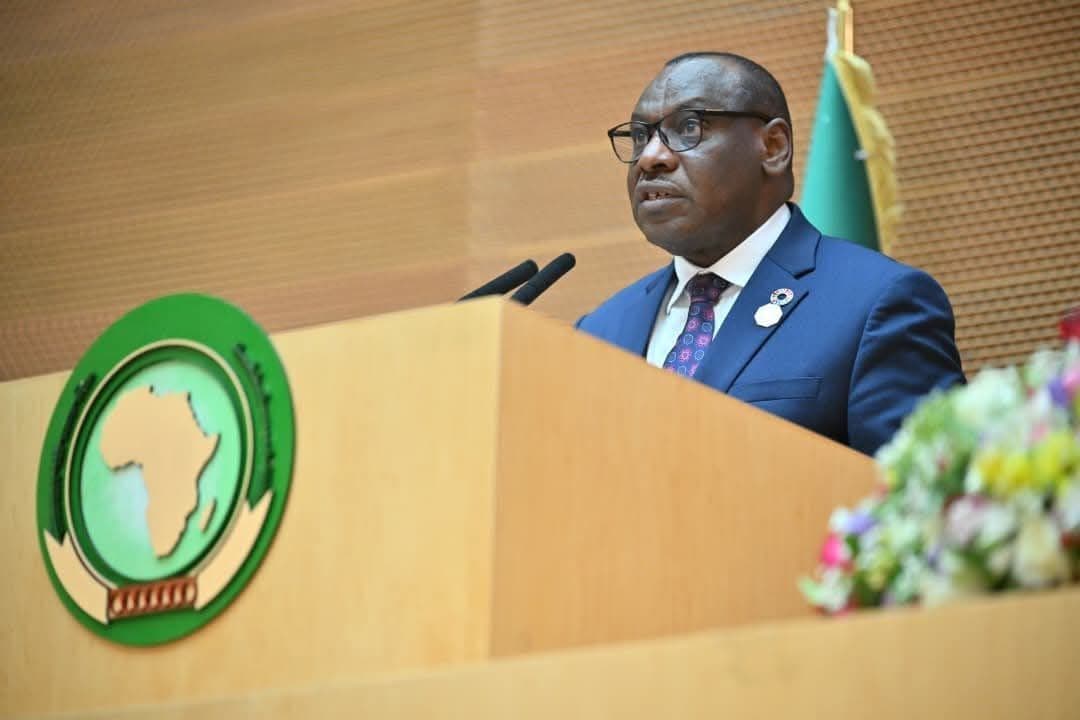
The Executive Secretary of the UN Economic Commission for Africa (UNECA), Claver Gatete has said Africa must overhaul its development model to build a resilient, self-reliant economic system as shifting global financial and trade rules threaten its growth.
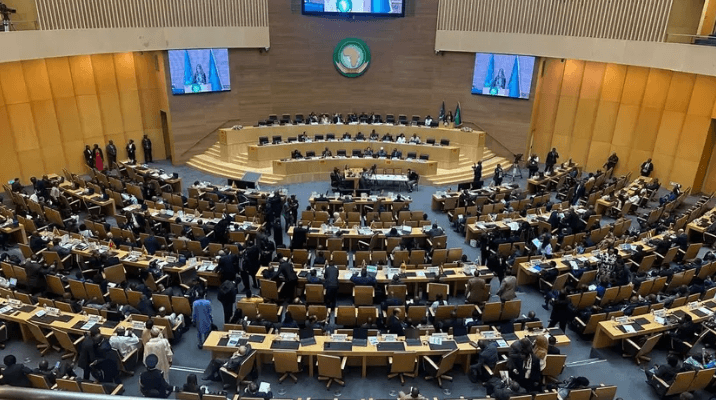
Gatete was speaking at the 48th African Union Executive Council meeting on Wednesday – a statutory gathering happening before the AU assembly of heads of state and government.
Recommended News
Algeria’s Tebboune Reaffirms 2027 Wage Increase Plan
Declaring the old development paradigm unsustainable, Gatete emphasized that relying on raw exports and concessional flows is no longer viable in a slowing global economy with rising borrowing costs—only three African nations have been touted as investment-grade.
He highlighted Africa’s vast assets—land, renewable energy, critical minerals, and a youthful workforce—but noted the continent lacks an integrated economic framework to transform these into value.
“For decades, developing countries exported raw materials, imported manufactured goods and financed development through concessional flows,” he said. “That model is no longer sustainable.”
Gatete called for prioritizing regional integration through the African Continental Free Trade Area (AfCFTA), advancing industrialization by processing raw materials, and leveraging digital technology.
He stressed the importance of water infrastructure as a catalyst for industrial growth and urban development, linking access to water directly to economic productivity. The 39th summit of the African Union Assembly of Heads of State and Government takes up “Assuring Sustainable Water Availability and Safe Sanitation System to Achieve the Goals of Agenda 2063,” as the theme of the year 2026.
“Factories require reliable water. Agro-processing requires irrigation. Cities require sanitation to function productively,” he said, noting that more than 300 million Africans still lack safe drinking water, while nearly 780 million lack adequate sanitation. Water-related diseases continue to claim lives at a rate of approximately 115 preventable deaths per hour across the continent.
Meanwhile, Gatete raised the issue of continental tax regimes, saying Africa’s tax-to-GDP ratio lags behind global standards. He urged innovative financing tools like green bonds to fund infrastructure, asserting that Africa’s future lies in internal, industrial, and strategically financed growth—shaping the global economy rather than just participating in it.
“When finance is expensive, infrastructure is delayed. When infrastructure is delayed, production is constrained. And when production is constrained, industrialization stalls,” Gatete emphasized.
His address signals a growing continental consensus: Africa’s next phase of development must be internally anchored, industrially driven and strategically financed — not externally dependent.
“If we finance our infrastructure, integrate our markets, add value to our resources and trade more with each other, Africa will not just participate in the global economy — it will help shape it,” Gatete noted.