Mar 25, 2026
.jpg&w=1920&q=75)
Civil aviation experts from across Africa are convening in Pretoria, South Africa, for a four-day validation workshop aimed at advancing environmental protection in aviation and promoting the use of Sustainable Aviation Fuels (SAF).
Organized by the COMESA Secretariat in collaboration with the African Union Commission (AUC) through the African Civil Aviation Commission (AFCAC), and hosted by the South African Civil Aviation Authority (SACAA), the workshop represents a significant step toward building a low-carbon aviation sector across the continent.
The initiative is designed to support both domestic consumption and export of SAF, positioning Africa as a key player in the global green aviation transition.
-1.jpg&w=3840&q=75)
Opening the session on 24 March 2026, COMESA Director of Infrastructure and Logistics, Dr. Bernard Dzawanda, highlighted the strategic importance of sustainable aviation for Africa’s economic transformation: “A resilient and sustainable air transport sector is essential for the economic transformation of our region and continent… the long-term sustainability of aviation depends increasingly on our collective ability to address environmental concerns and align sector development with global climate objectives.”
The workshop also explores Africa’s untapped potential to become a global leader in SAF production.
Eng. Eric Ntagengerwa, Head of the Transport and Mobility Division at the AUC, emphasized that Africa’s abundant natural resources, renewable energy capacity, and sustainable feedstocks—from agricultural residues to municipal waste—provide the foundation for continent-wide SAF production.
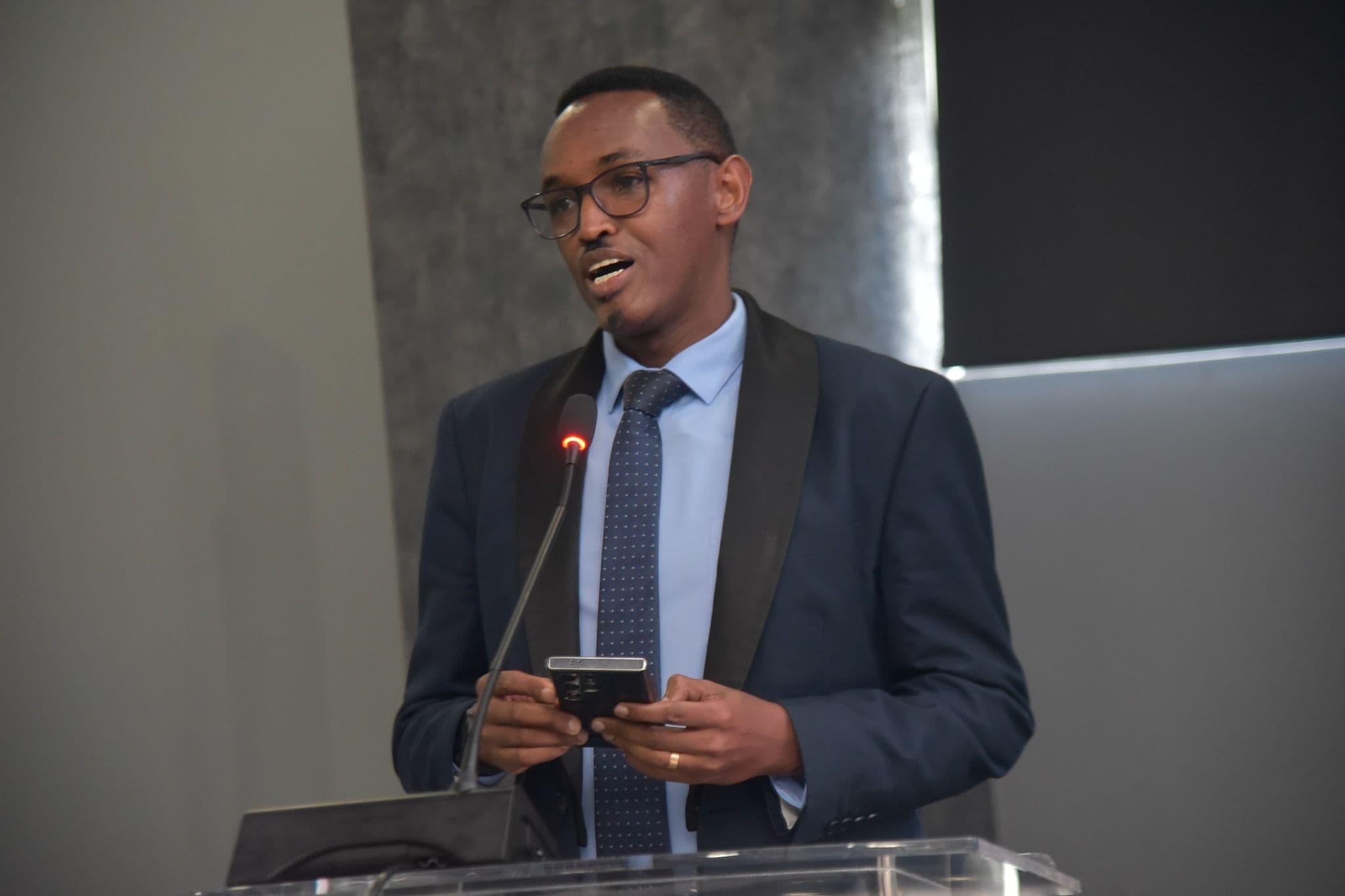
“Africa is uniquely positioned to become a global hub for sustainable aviation fuels,” Ntagengerwa said, noting that coordinated strategies could transform the sector into a driver of jobs, innovation, and trade.
SACAA Director Ms. Poppy Khoza called for collaboration and a harmonized African approach to unlock scale, investment, and competitiveness in SAF.
“We are here to align on governance, technology, and implementation frameworks… this process must translate policy into implementable and bankable actions,” Khoza said.
By the conclusion of the workshop, Member States are expected to validate key frameworks and develop a roadmap for strengthening aviation environmental regulations and practical implementation across the region.
Africa’s aviation sector has historically faced challenges including high operational costs, fragmented regulation, and infrastructure gaps.
However, global momentum toward decarbonization presents a unique opportunity for the continent. By investing in SAF and aligning regulatory frameworks, Africa can reduce its aviation carbon footprint while generating new economic opportunities.
Experts note that the push for SAF aligns with broader continental strategies such as the African Union’s Agenda 2063 and the African Continental Free Trade Area (AfCFTA), both of which aim to accelerate sustainable industrialization, energy transition, and intra-African trade.
With this workshop, Africa is taking a proactive role in shaping the global aviation sustainability agenda, demonstrating that the continent is not just a participant but a potential leader in the next generation of green aviation.