Mar 28, 2026
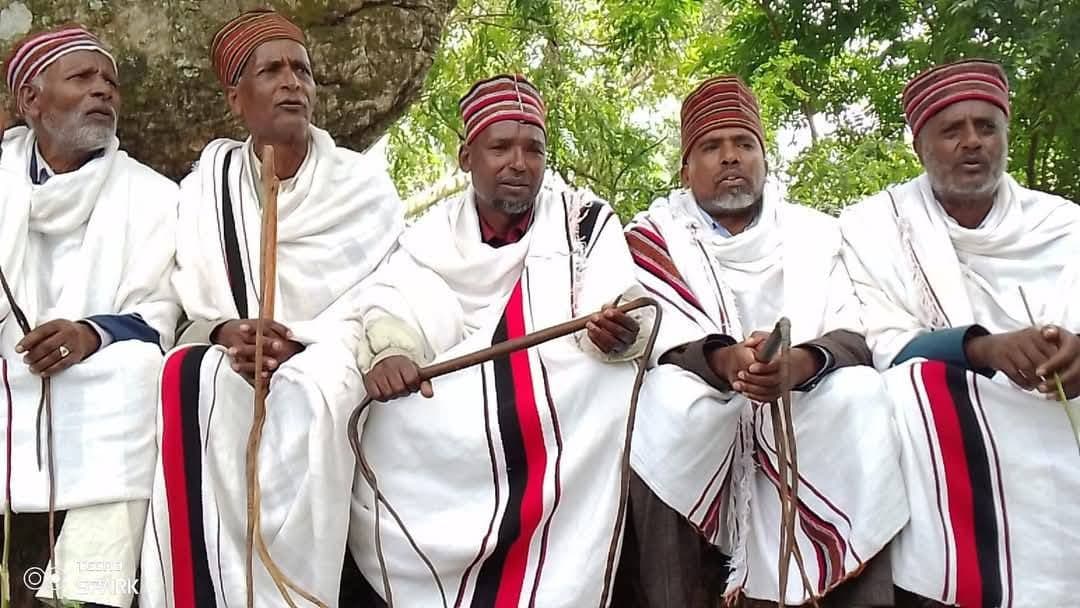
Most of us encounter democracy as a polished concept—neatly packaged in textbooks, lecture halls, and theories largely shaped in the West. It often feels like something imported, something to be studied rather than lived. Yet beyond those pages lies a richer, older story: democracy as a lived tradition, crafted by communities who understood participation, accountability, and collective decision-making long before modern political science gave them names. Across continents, especially in Africa, there exist ingenious systems that do not just echo democratic ideals—they embody them in vibrant, everyday practice.
Elections in Africa should not be judged solely by Western standards; they must reflect the unique cultural, social, and historical realities of each nation, while remaining aligned with the will of the people. Indigenous democratic systems offer a powerful model of sustainable governance.
Unlike externally imposed systems, such indigenous democracies are rooted in local knowledge, shared values, and collective consensus, making them not only more enduring but also better suited to fostering peace and stability across African societies.
One of the most remarkable examples is Ethiopia’s Gadaa system, an indigenous governance model developed by the Oromo people. Far from being a relic of the past, it is a sophisticated, cyclical system that organizes leadership, lawmaking, and social responsibility with striking precision—mirroring what we now call legislative and executive functions. It ensures leadership rotation, public participation, and accountability through deeply rooted cultural values.
In its rhythm, you find a democracy that is not borrowed, but born—one that celebrates inclusivity, wisdom, and the collective voice of the people in its most authentic form.
An intricate system of governance rooted in the traditions of the Oromo people; the Gadaa system stands as a profound testament to Africa's rich democratic heritage. Long before the advent of Western democratic models, the Oromo, one of the largest ethnic groups in East Africa, practiced a unique form of participatory democracy that has not only governed their society for centuries but also offers valuable lessons for contemporary governance. In 2016, UNESCO recognized the Gadaa system as an Intangible Cultural Heritage of Humanity, acknowledging its significance as a sophisticated and holistic institution.
The Gadaa system is a complex framework that regulates the political, economic, social, and religious life of the Oromo people. At its core is a system of age-grade classes, known as Luba, through which every male member of the society progresses on a structured social and administrative hierarchy. Each grade, lasting for a period of eight years, has specific rights and responsibilities, creating a structured path to leadership and community service.
The pinnacle of political power within the Gadaa system is the Abbaa Gadaa, a leader who is elected for a single eight-year term and cannot be re-elected. This regular and peaceful transfer of power is a hallmark of the system's democratic nature. The Abbaa Gadaa governs with a council, and their authority is not absolute.
A System of Checks, Balances and Accountability
A key democratic feature of the Gadaa system is the principle of checks and balances, primarily exercised through the General Assembly, known as the Gumii or Caffee. This assembly, which convenes every eight years, holds the ultimate legislative authority. It has the power to review and proclaim laws, and most importantly, to hold the Abbaa Gadaa and his council accountable for their actions during their tenure. This demonstrates a clear separation of powers and a mechanism for public oversight that predates many Western democratic traditions.
Furthermore, the Gadaa system is built on the values of equality and collective decision-making. Important matters are discussed openly, and decisions are often reached through consensus. This emphasis on communal wisdom and participation stands in contrast to the majoritarian principles that often characterize Western democracies.
The Role of Women and the Siinqee Institution
While the formal political leadership within the Gadaa system has traditionally been the domain of men, the role of women is not insignificant. A parallel and complementary institution known as Siinqee provides a unique system of checks and balances. Married women hold a Siinqee, a ceremonial staff, which symbolizes their rights and social standing.
The Siinqee institution serves to protect women from abuse and to ensure their voices are heard. In cases of mistreatment or injustice, women can collectively raise their siinqee, a powerful act that can bring social and political pressure to bear on the male leadership to address their grievances. This institution, therefore, represents a distinct form of female empowerment and a mechanism to temper male authority within the broader Gadaa framework.
Conflict Resolution and Enduring Relevance
The Gadaa system also incorporates sophisticated mechanisms for conflict resolution. One of the most prominent is Jaarsummaa, a process of reconciliation led by respected elders who mediate disputes and work towards restoring harmony within the community. This focus on restorative justice and communal well-being offers a valuable alternative to more adversarial legal systems.
Despite its long and rich history, the Gadaa system has faced significant challenges. Historical periods of political suppression and the influence of modern state structures have weakened its practice in many areas. However, in recent decades, there has been a significant revival of interest in the Gadaa system, both among the Oromo people and international scholars. Its recognition by UNESCO has further bolstered these efforts.
In a world searching for more inclusive and sustainable forms of governance, the Gadaa system offers a compelling model.
Its principles of term limits, accountability, consensus-based decision-making, and the peaceful transfer of power are universal democratic values. By studying and understanding this indigenous African institution, political scientists and theorists, researchers, practicing politicians, sociologists, and students, among others, can gain a deeper appreciation of the diversity of democratic thought and practice throughout human history. The Gadaa system is more than just a historical artifact; it is a living tradition and an enduring symbol of Africa's contribution to the global tapestry of democracy.
Africans should not be expected to replicate Western models of democracy or conduct elections solely according to foreign templates. The continent is endowed with complex indigenous knowledge systems, like the Gadaa, which are intricately tied to local cultural, social, and historical realities—natural extensions of African life. These systems, refined over centuries, have proven more practical, resilient, and capable of fostering peace, accountability, and sustainable governance. The African Union and other regional actors must recognize, preserve, and strengthen these institutions, ensuring that Africa’s unique democratic heritage continues to guide generations to come.