Apr 4, 2026
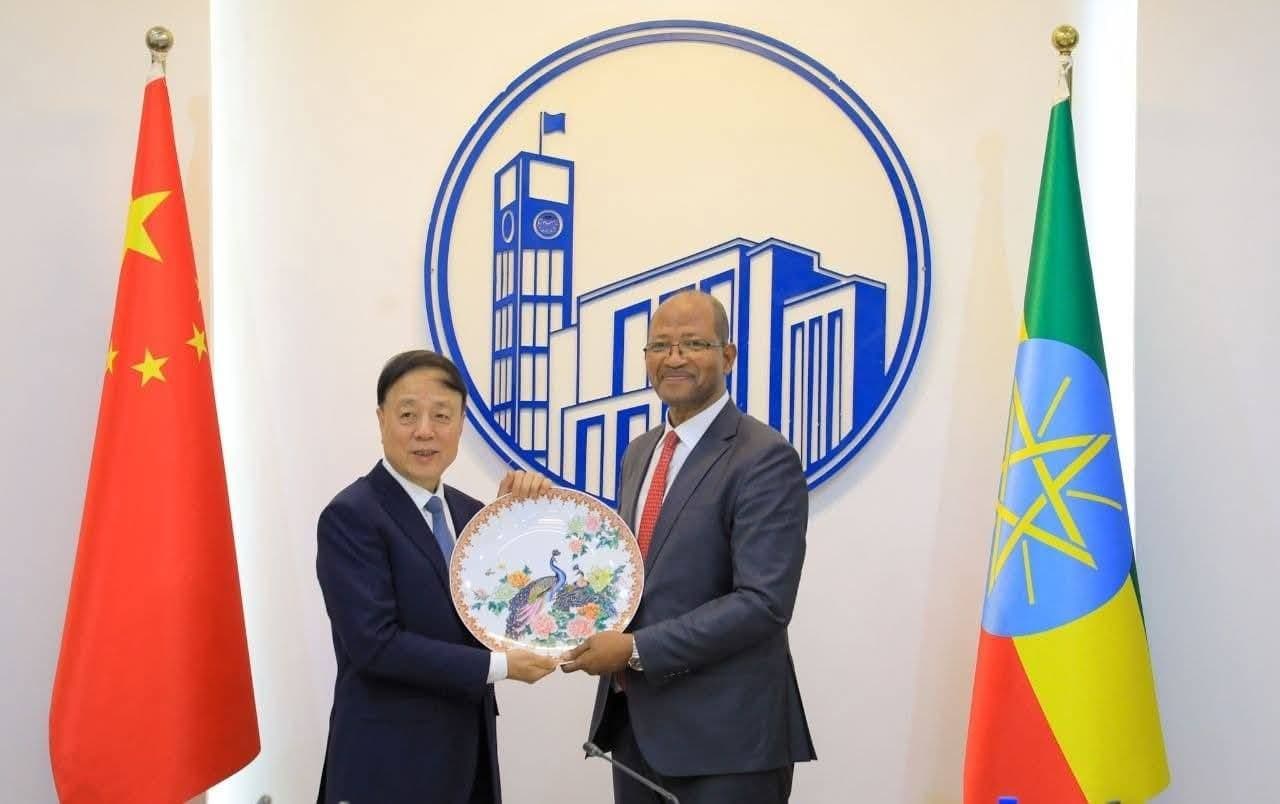
China has reaffirmed its commitment to support Ethiopia in its bid to join the World Trade Organization (WTO), highlighting growing economic and strategic ties between the two nations.
Speaking in Addis Ababa, Wu Weihua, Vice Chairman of the Standing Committee of China’s National People’s Congress, said China is ready to “continue playing a positive coordination role” to advance Ethiopia’s accession.
The remarks came during discussions with Tagesse Chafo, Speaker of Ethiopia’s House of People’s Representatives, where both sides explored ways to deepen cooperation on bilateral, regional, and global issues.
Tagesse described the partnership as an “all-weather strategic partnership” built on mutual trust and shared interests, emphasizing Ethiopia’s commitment to strengthening people-to-people ties, parliamentary engagement, business relations, and international coordination.
Highlighting Ethiopia’s strategic role, Tagesse called the country a gateway to Africa and a diplomatic hub, hosting the African Union headquarters, and underscored its potential to strengthen China–Africa relations.
Economic cooperation remains central, with projects like the Ethio-Djibouti Railway—a key Belt and Road Initiative investment—serving as a vital trade corridor for Ethiopia’s imports and exports.
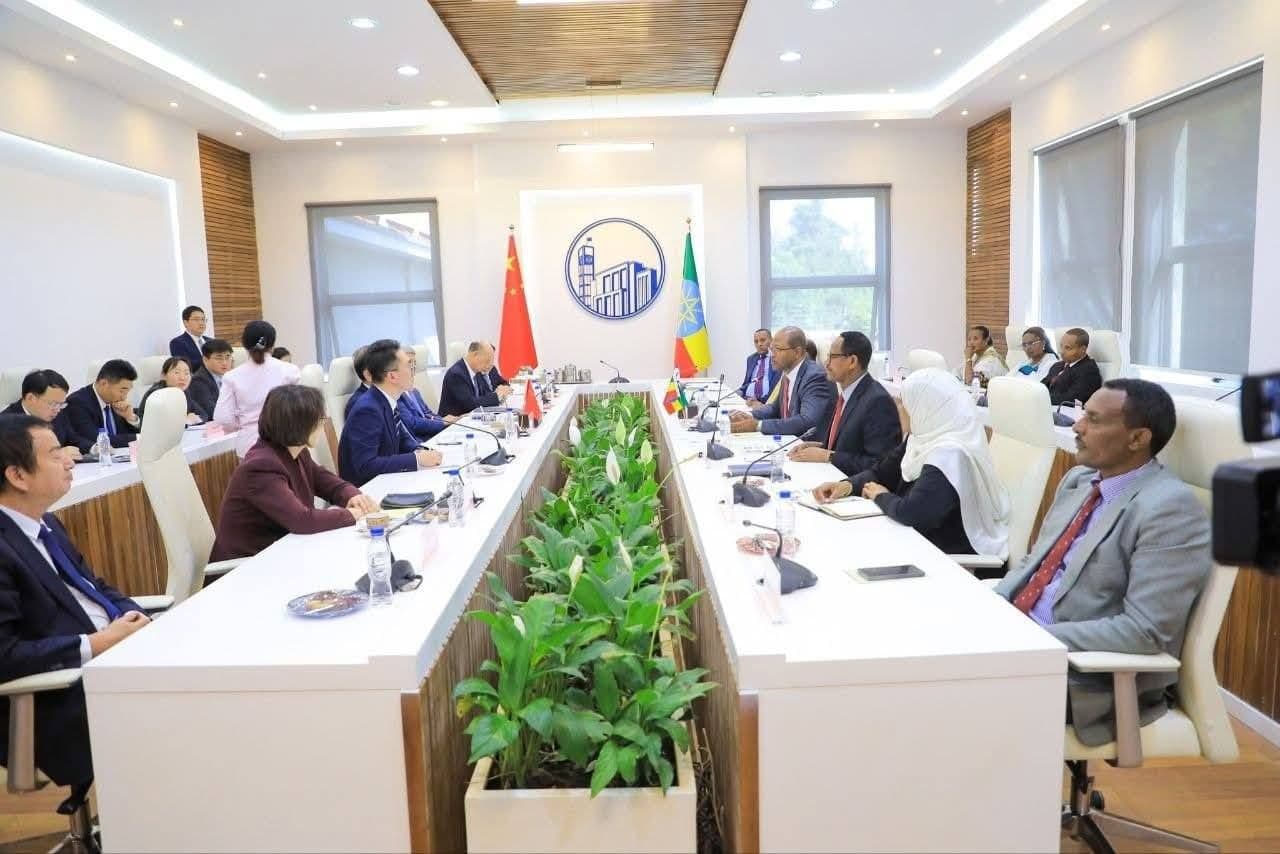
Chinese investment in Ethiopia has reached around $9.6 billion, supporting job creation, industrial growth, and infrastructure development.
Tagesse expressed appreciation for China’s continued support in Ethiopia’s WTO accession, calling for sustained collaboration to finalize the process. Wu reaffirmed China’s unwavering backing, noting that bilateral negotiations concluded successfully in 2025 and that Ethiopia’s exports to China have nearly doubled.
He emphasized plans to expand trade, infrastructure, manufacturing, and emerging sectors such as new energy vehicles, digital economy, and artificial intelligence, supporting Ethiopia’s industrialization and modernization.
From an African perspective, Ethiopia’s WTO accession would strengthen the continent’s voice in global trade, open new market opportunities for African products, and accelerate regional industrialization.
China’s backing illustrates the potential of strategic South-South cooperation, blending Africa’s development ambitions with global partnerships in trade, infrastructure, and emerging technologies.