Apr 5, 2026
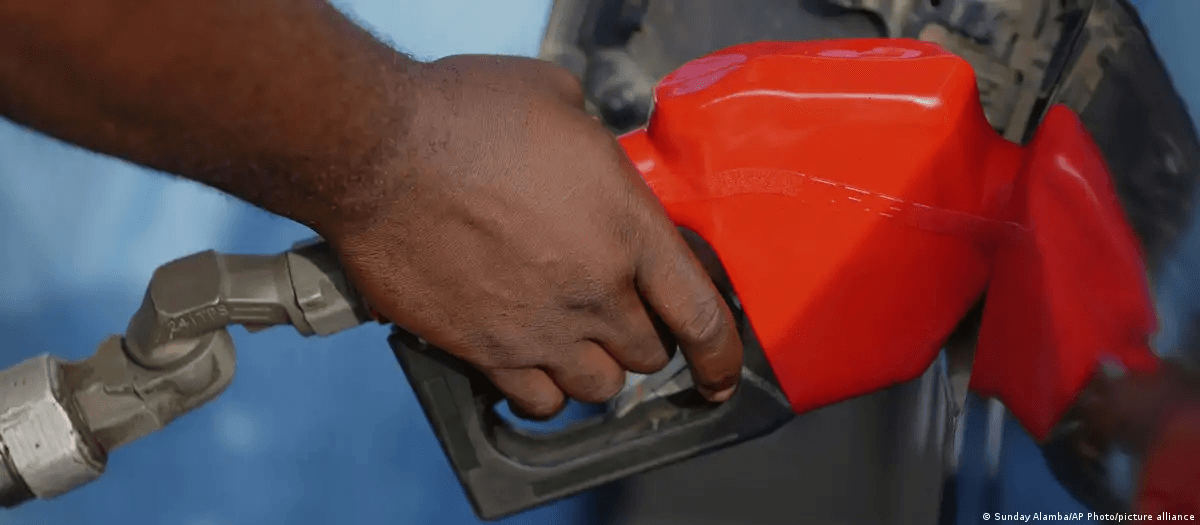
The Gambian government has become the latest in Africa to have announced substantial fuel subsidies for April 2026 to shield consumers and businesses from rising global oil prices, driven by escalating conflict in the Middle East and disruptions to key shipping routes such as the Strait of Hormuz.
A statement issued by the Ministry of Petroleum, Energy and Mines, said pump prices set at the beginning of this month will be pegged at 98 Gambian dalasis (about $1.32) per liter for petrol and 95 dalasis per liter for diesel.
Without the subsidy, indicative domestic prices for April would have risen to 101.29 dalasis per liter for petrol (a 22.8% increase from current levels) and 124.72 dalasis per liter for diesel (a 47.4% surge).
The ministry attributed the rises to volatility in international fuel markets.
To prevent these costs from being passed on to consumers, the government is subsidizing petrol by 3.29 dalasis per litre and diesel by 29.72 dalasis per litre.
The total subsidy package for the period is about $4.27 million, a measure aimed at easing the burden on households and the broader economy.
The Gambia, a West African country of roughly 2.8 million people with no domestic oil production, depends almost entirely on imported petroleum products.
Following the closure of the Strait of Hormuz, triggered by intensifying conflict in the Middle East in early 2026, an increasing number of African nations are implementing emergency cushions and strategic measures to mitigate severe fuel supply disruptions and soaring energy prices.
With roughly 20% of global oil passing through this bottleneck, many African economies—which rely heavily on imports for refined fuel—have faced urgent supply shortages and high costs, forcing governments to turn to the spot market, increase subsidies, and seek alternative routes.
In Ethiopia, the government is acting to maintain supply through measures that include introducing special fuel subsidies, launching a nationwide crackdown on illegal fuel trading, and ordering that fuel supplies be prioritized for security key institutions.
In Tanzania President Samia Suluhu Hassan has directed the energy ministry to strengthen its strategic fuel reserves, following the disruption of fuel imports.
Retailers in Kenya have faced shortages as 20% of petrol stations reported shortages, leading to urgent attempts to secure alternative supplies via regional partners like Mozambique.
South Africa has confirmed it holds 8 million barrels in strategic fuel reserves to be used if necessary. Furthermore, its ports have become key points for navigating ships diverted from the Middle East route.
In Zambia, the government has issued warnings against hoarding fuel to prevent artificial shortages.