Apr 17, 2026
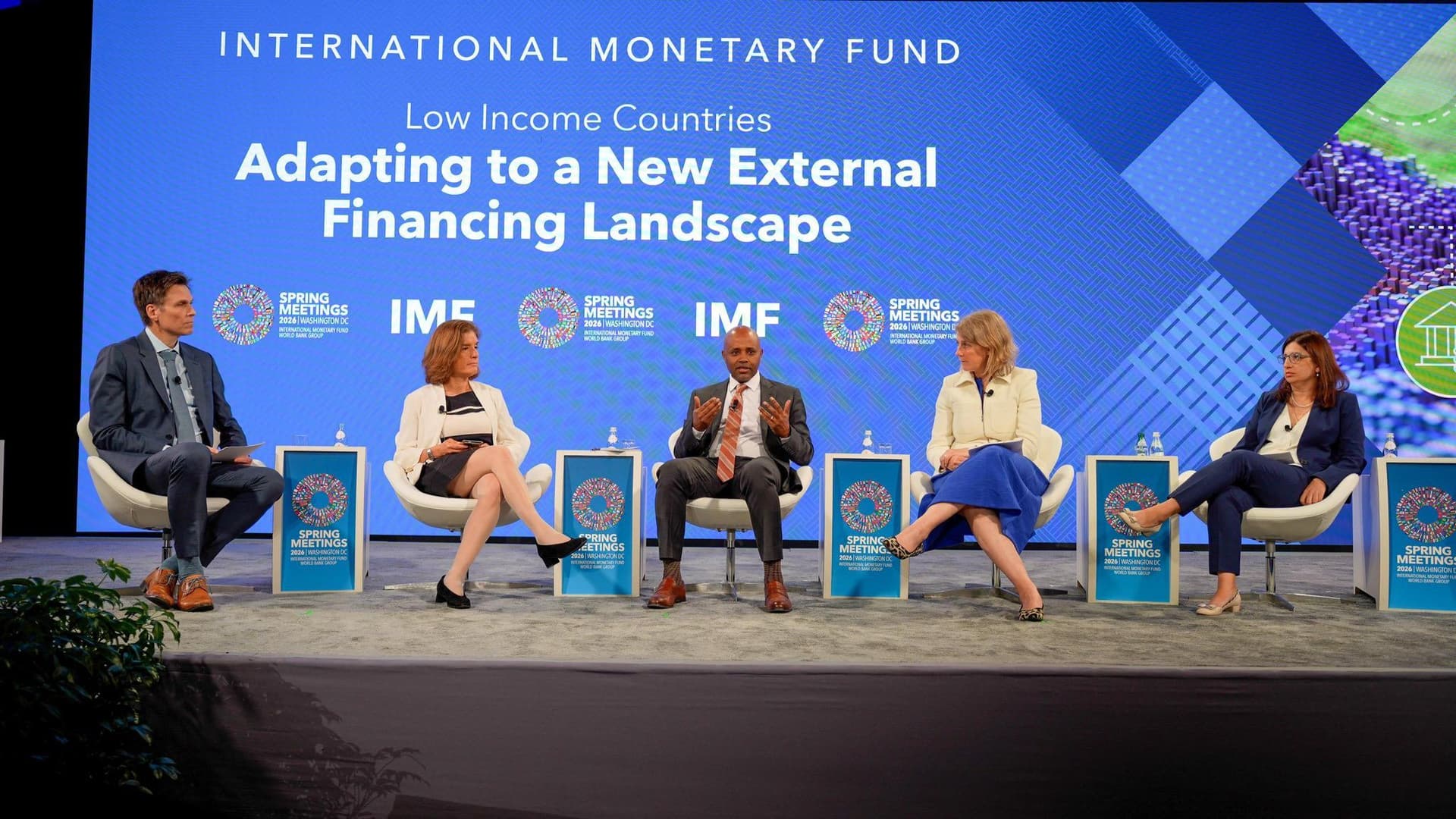
At the IMF World Bank Group Spring Meetings 2026 in Washington, D.C., NBE Ethiopian National Bank Governor Dr. Eyob Tekalign joined the high-level panel on “Adapting to a New External Financing Landscape,” where he outlined how Ethiopia is navigating a constrained global financing environment through strong, nationally owned reforms.
Governor Eyob highlighted Ethiopia’s comprehensive homegrown reform agenda, focused on strengthening the exchange rate framework, modernizing monetary policy, enhancing domestic resource mobilization, and advancing structural reforms to transition toward a more private sector-driven economy.
These efforts have strengthened economic resilience, reflected in increased exports, improved reserve buffers, and enhanced revenue performance.
The Governor emphasized that while domestically owned reforms are central to Ethiopia’s progress, strong and coordinated partnerships remain critical. Eyob underscored the importance of sustained support from development partners to complement national efforts, particularly in a period of heightened global uncertainty.
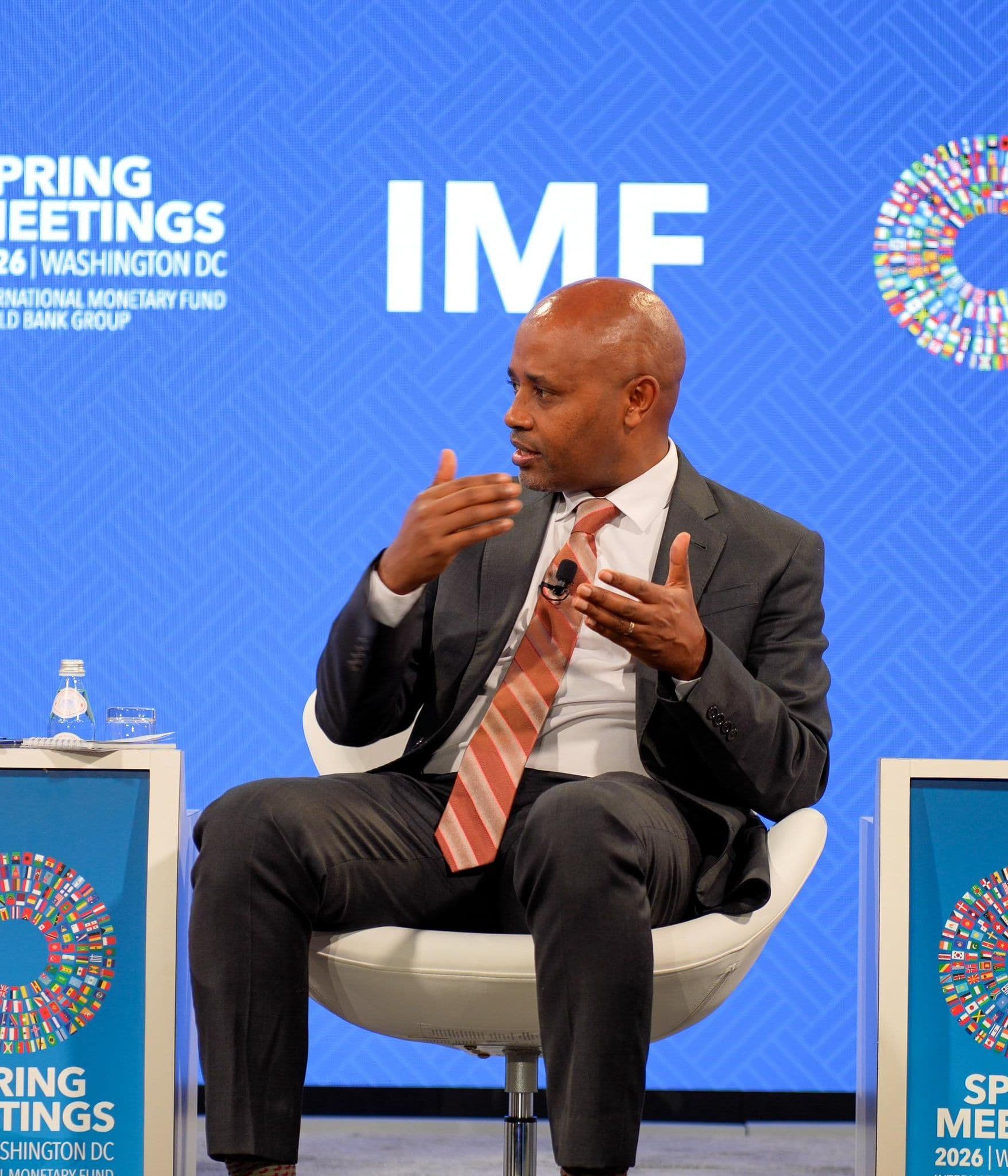
The discussion reinforced Ethiopia’s commitment to maintaining macroeconomic stability, advancing reforms, and building a more resilient and inclusive economy in the face of evolving global challenges. Governor Eyob concluded by highlighting a growing national aspiration for transformation and prosperity, positioning Ethiopia as an emerging African beacon.
Ethiopia’s stance at the Spring Meetings reflects a broader African reality: the continent is no longer waiting for favorable global conditions but is actively reshaping its economic destiny through disciplined, homegrown reforms.
Yet, this moment also exposes structural imbalances in the global financial system—where access to affordable capital remains uneven and often misaligned with Africa’s development needs.
For African economies to withstand external shocks and sustain growth, the path forward lies in building stronger domestic financial systems, deepening regional capital markets, and speaking with a more unified voice in global financial governance.
A resilient Africa will not only depend on reforms within, but also on a fairer, more responsive international financial architecture—one that recognizes the continent not as a risk, but as a critical engine of future global growth.