Wadagni's Presidential Vote Win Confirmed
Apr 25, 2026
Save
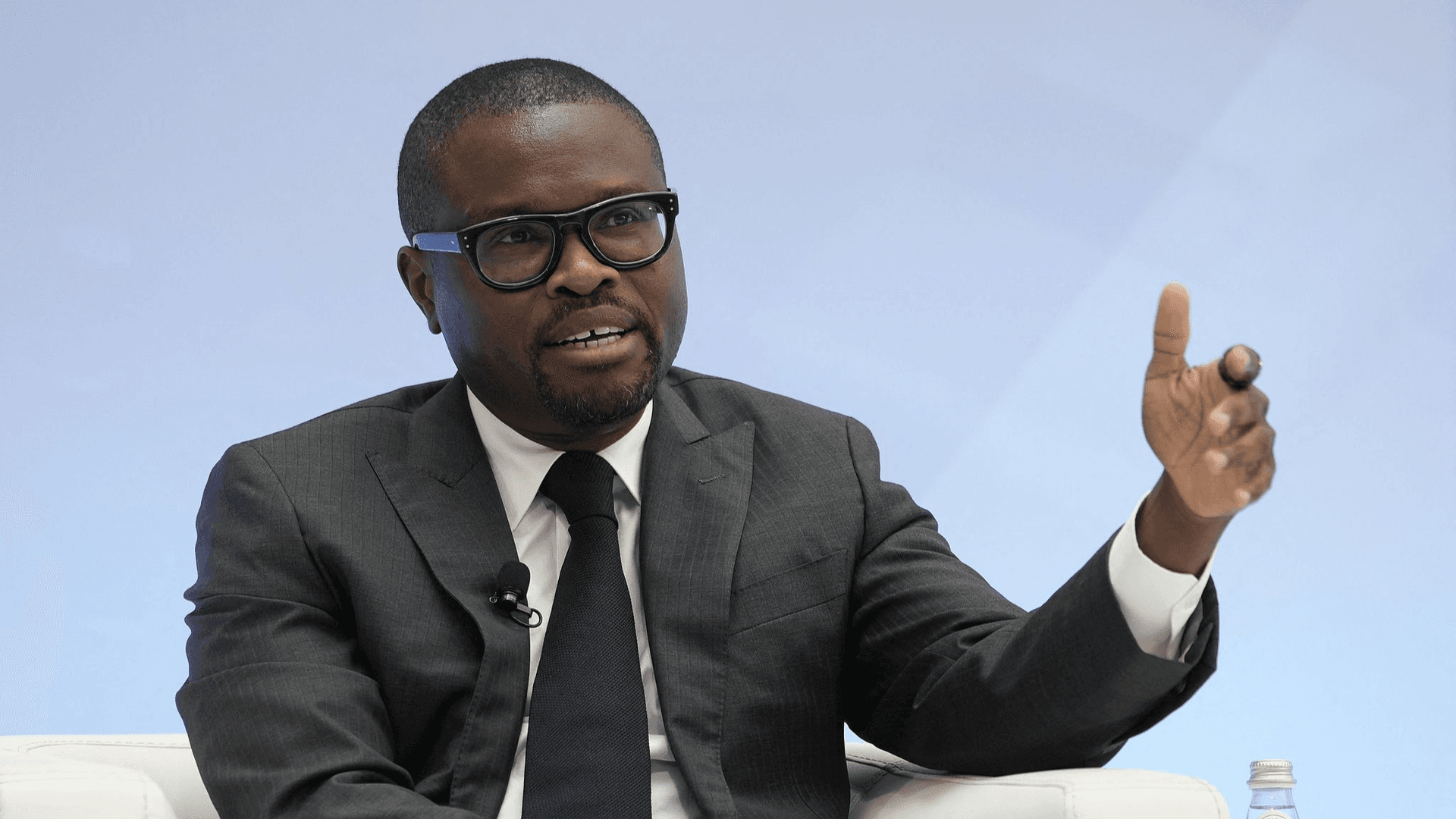
The Benin Constitutional Court has validated the provisional results of the April 12 presidential polls, effectively confirming Romuald Wadagni officially as the winner.
The court upheld the provisional outcome announced earlier, confirming a decisive victory for Wadagni, who was widely seen as the chosen successor of outgoing president Patrice Talon.
Recommended News
Ethiopia Outlines Three Priorities for Children and Youth Ahead of COP32
Trump, Putin and Xi Set for Historic Talks Amid Global Tensions
UNFCCC Chief Urges More Climate Investment in Africa Ahead of COP32
According to the court’s president, Cossi Dorothe Sossa, no irregularities were identified that would justify annulling the vote, and no legal challenges were filed against the results.
Wadagni defeated Paul Hounkpè, a teacher and former minister who was the sole opposition candidate after the main opposition party, The Democrats, was unable to participate due to insufficient sponsorships. Hounkpè, who secured less than 6% of the vote, conceded defeat ahead of the final announcement.
The Constitutional Court declared Wadagni elected president alongside vice president Mariam Chabi Talata, with inauguration scheduled for 24 May. Provisional figures had indicated a turnout of 58.8 percent and a vote share of around 94 percent in Wadagni’s favor.
However, the incoming president faces significant challenges, including addressing inequality and managing security threats in the north linked to jihadist activity.
Wadagni’s election is widely viewed as a signal of policy continuity, especially in economic governance, given his decade-long role as finance minister under President Patrice Talon. His tenure in government was marked by strong growth, fiscal discipline, and major infrastructure development, shaping expectations that his presidency will build on the same reform-driven agenda.
However, his leadership will be closely tested by pressing national concerns. Key among them are widening social inequalities and growing security threats in northern Benin linked to jihadist activity. As he prepares to take office, attention is now shifting to how he will balance economic consolidation with inclusive development and national security.