Apr 25, 2026
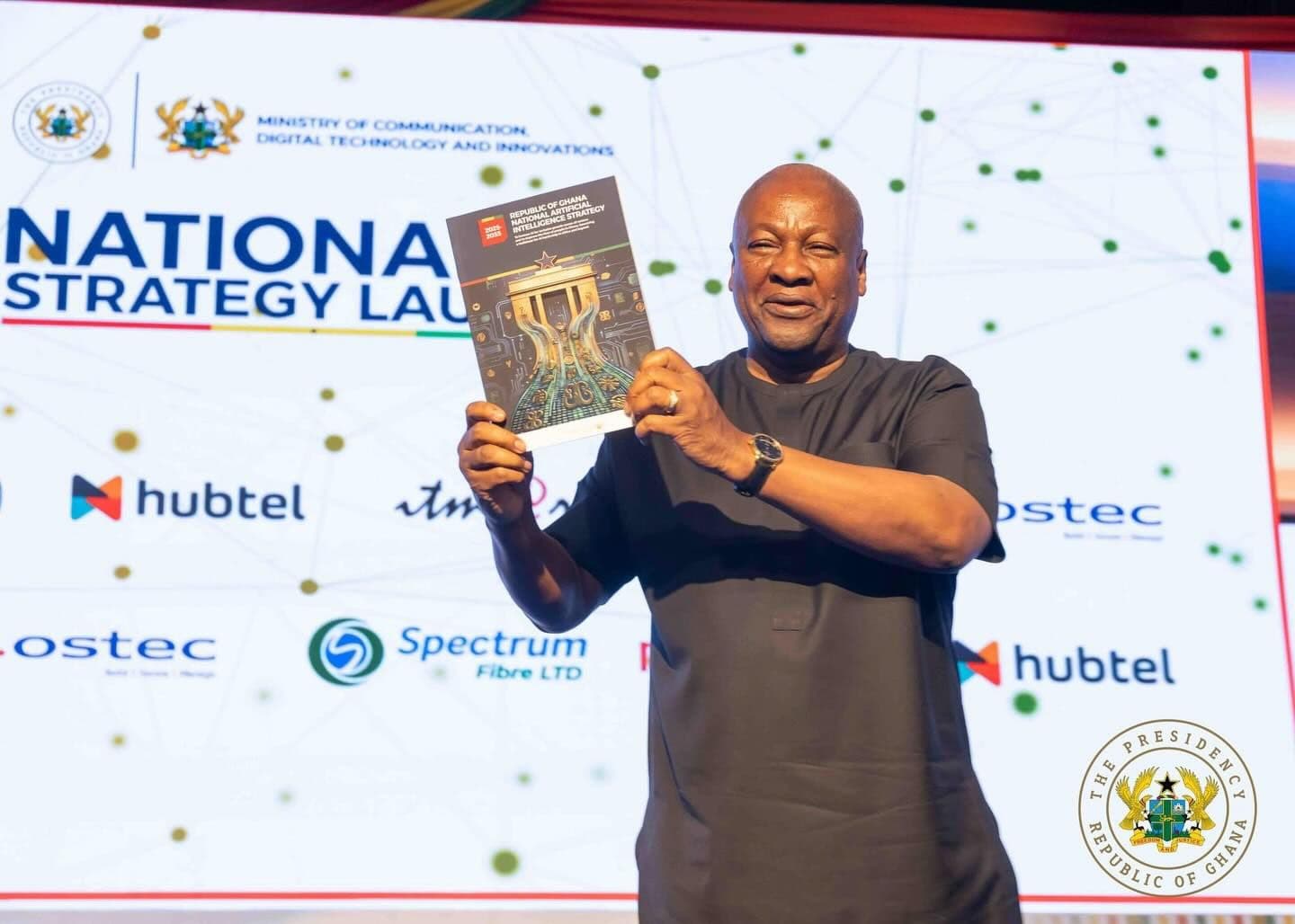
President John Dramani Mahama has launched Ghana’s National Artificial Intelligence (AI) Strategy, outlining a bold vision to position the country as a leading AI hub in West Africa and across the continent.
He emphasized that the defining question for Ghana is not whether AI will shape the future, but how the nation will shape its use in line with its values, priorities, and development aspirations. The President stressed that Government is committed to preparing Ghanaians to lead in the era of technological transformation, not be displaced by it.
Highlighting a people-centered approach, he announced plans to invest in upskilling and reskilling the public sector workforce, while supporting workers across all sectors to adapt and thrive in a rapidly evolving digital economy. He further noted that Ghana’s AI agenda is already being translated into concrete policy actions and implementation frameworks.
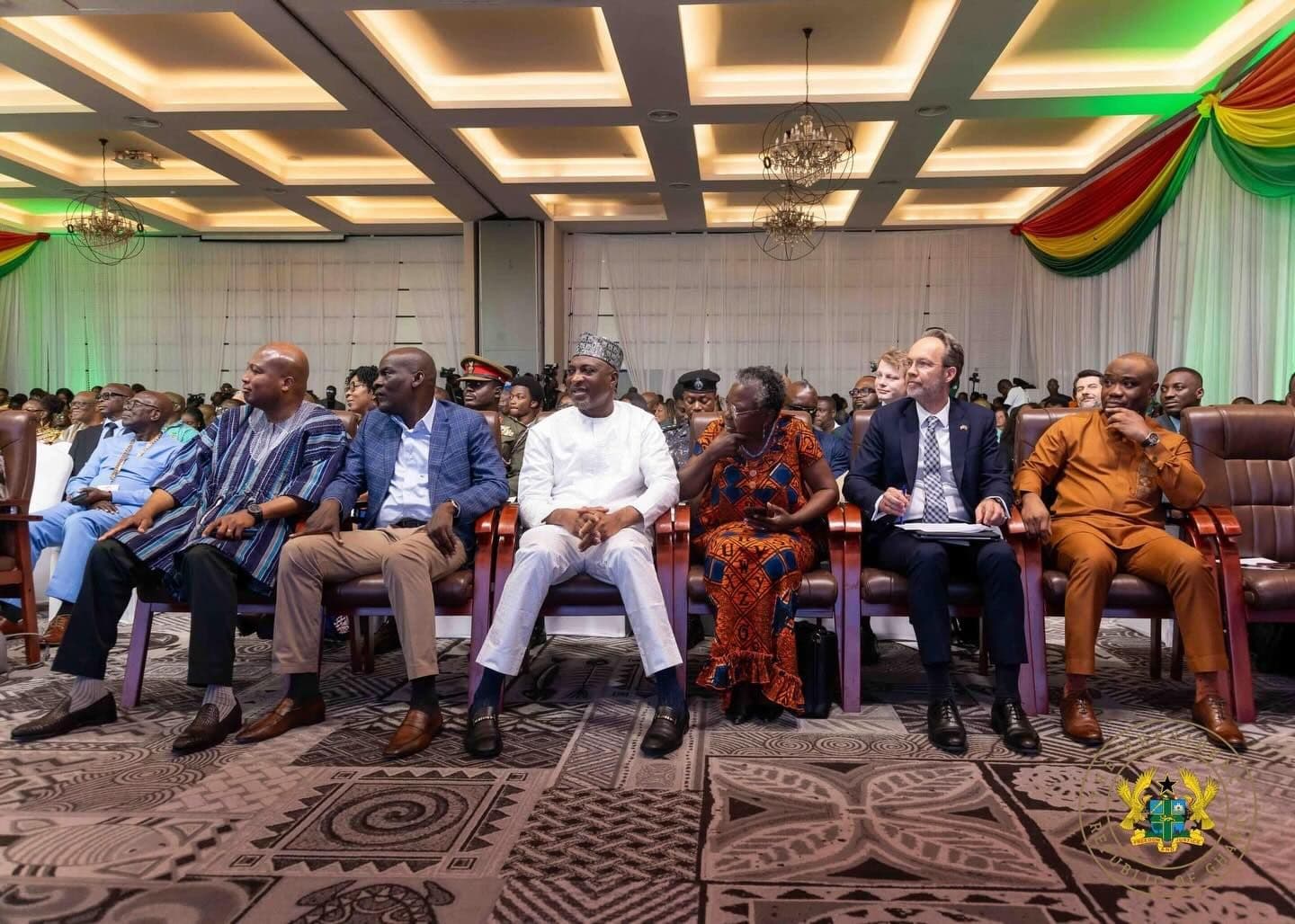
President Mahama also revealed that the strategy will be rolled out over a 10-year period, guided by clear targets and disciplined execution, with a Responsible Artificial Intelligence Office to be established to drive coordination and oversight.
He underscored that transformation must go beyond rhetoric, insisting on measurable, accountable, and results-oriented outcomes that deliver real impact for citizens.
The Minister for Communications, Digital Technology and Innovations, Samuel Nartey George, reaffirmed Government’s commitment to strengthening digital infrastructure, including ongoing investments in 4G and 5G connectivity, to support AI-driven innovation nationwide.
Ghana’s new AI strategy comes amid a broader continental push to position artificial intelligence as a cornerstone of Africa’s future development.
Across the continent, a number of countries have been actively investing in AI research, digital skills, and innovation ecosystems—recognizing the technology’s potential to transform sectors from agriculture to healthcare and finance.
At the continental level, the African Union has increasingly prioritized digital transformation through frameworks such as the Digital Transformation Strategy for Africa (2020–2030), which identifies AI as a key driver of economic growth, governance efficiency, and regional integration. The AU has also been working to promote ethical and responsible AI adoption tailored to Africa’s unique socio-economic context.
In a significant step to elevate this agenda, Abiy Ahmed, Prime Minister of Ethiopia, was recently appointed to champion artificial intelligence and digital health initiatives for the African Union. His role is expected to strengthen coordination among member states, accelerate innovation, and ensure that emerging technologies are leveraged to improve public services, particularly in healthcare systems across the continent.
Against this backdrop, Ghana’s initiative reflects a growing consensus among African nations: that AI is not just a technological trend, but a strategic tool for shaping the continent’s economic future, enhancing competitiveness, and empowering its population in the digital age.