Apr 30, 2026
By Mahder Nesibu
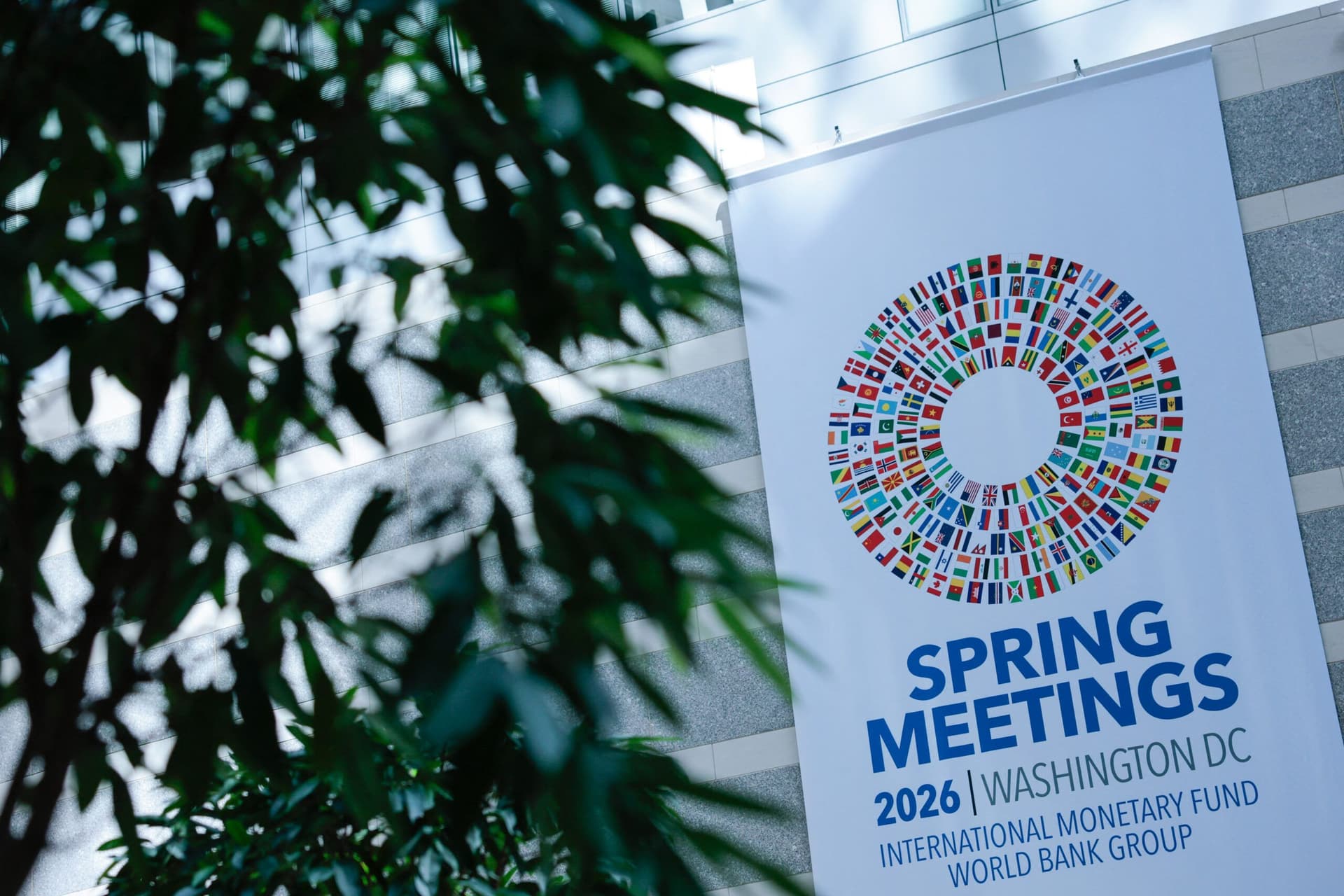
On April 14, African finance ministers and central bank leaders convened in Washington during the IMF Spring Meetings to address critical issues affecting the continent’s economic stability and growth prospects. The discussions centered on the rising costs of debt, the shrinking availability of aid, and the longstanding exclusion of Africa’s voice from the global financial system. This year’s meeting marked a turning point because these challenges have become more acute and systemic, reflecting deep-rooted structural issues within international financial architecture. Despite notable economic growth in Sub-Saharan Africa in 2025, driven by reforms in countries like Ethiopia and Nigeria, the region faces significant hurdles.
The war in the Middle East triggered a spike in fuel and fertilizer prices, which slowed economic growth and fueled inflation across many African nations. Said the Director of the IMF’s African Department, Abebe Selassie, “Sub-Saharan Africa started 2026 with its best economic momentum in a decade, but then the war happened,” highlighting how external shocks continue to threaten progress.
One of the most pressing issues confronting Africa is its mounting debt burden. In 2025, nearly 20% of government revenues across the continent were allocated solely to paying interest on debt, leaving limited resources for vital public services such as healthcare, education, and infrastructure development. Alarmingly, many African countries are spending more on debt interest than on essential sectors like health and education combined.
Borrowing costs have also soared—interest rates on global markets are now approximately five times higher than when African nations borrowed from multilateral development banks such as the World Bank. A 2023 study by the United Nations Development Program (UNDP) revealed that better credit ratings could help African countries save up to $74.5 billion in interest payments and prevent numerous failed investments. The core problem lies not just in the volume of debt but in its prohibitively high costs, which constrain governments’ ability to invest in development initiatives. The former governor of Kenya’s Central Bank, Patrick Njoroge, emphasized this point, stating, “The biggest debt crisis isn’t just the debt-to-GDP ratio but the trade-offs: paying interest means less money for health, education, and climate efforts.” This dilemma underscores how debt servicing hampers long-term development and resilience in the region.
African nations are increasingly voicing their concerns in global forums, seeking reforms that can lead to more equitable financial arrangements. The African Union’s Lomé Declaration, adopted in May 2025, called for comprehensive reforms of the G20’s debt relief processes, demanding greater transparency, fairness, and inclusivity. Togo’s President, Faure Gnassingbé, emphasized the urgency of these reforms, noting that Africa’s reliance on foreign aid is diminishing and that the current system is inadequate to meet the continent’s needs.
The existing debt restructuring framework, known as the G20’s Common Framework, has been notably ineffective, handling only four cases over five years. The process is often lengthy, complex, and yields minimal debt relief, leaving many countries trapped in a cycle of debt and austerity. Meanwhile, Africa is home to abundant natural resources—including solar energy potential and mineral deposits—that could serve as engines for future growth. However, high-interest payments prevent many countries from investing in critical infrastructure, education, and health, thus hampering their development trajectories.
During the Spring Meetings, African leaders and representatives presented a unified front, advocating for urgent reforms and increased financial support. They called on the International Monetary Fund (IMF) and the World Bank to provide more concessional loans—low-interest financing designed for poorer countries—and to enhance cooperation with African nations. An African summit organized by the Nkafu Policy Institute and other regional organizations aimed to foster coordination among ministers, economists, and policymakers to develop cohesive strategies. Abebe Selassie acknowledged Africa’s resilience, noting that the region had made significant progress but warned that these gains are fragile and at risk if decisive action is not taken. “Without meaningful reforms and support, the region’s economic momentum risks stalling,” he said.
Despite these calls for reform, progress during the meetings was limited. The World Bank refused to change its voting structure, which many African leaders see as outdated and unrepresentative of the continent’s growing economic influence. Similarly, disagreements over IMF quota reforms—meant to give emerging economies more voting power—delayed any substantive progress, further exposing the political divisions that hinder reform efforts. Additionally, the United States blocked South Africa’s participation in the G20 Finance Ministers meeting, citing procedural issues. South Africa’s President, Cyril Ramaphosa, responded by stating that global financial institutions can no longer serve only Western interests, emphasizing the need for a more inclusive and equitable system.
The fundamental challenge remains political. Africa must act collectively to push for meaningful reforms and leverage its growing economic potential. Initiatives such as the African Continental Free Trade Area (AfCFTA) aim to bolster intra-African trade and economic integration, creating a more resilient regional economy. Additionally, plans to develop a credit rating system specifically for African countries could improve their access to affordable finance by demonstrating creditworthiness, further strengthening their bargaining power in international markets. These efforts are vital because the lessons from the 2026 Spring Meetings show that international financial institutions are unlikely to change on their own; African nations must demonstrate strength, unity, and discipline to turn grievances into tangible reforms.
The road ahead is complex but necessary. For African countries to secure a fairer share of global financial resources, they must continue to advocate for reforms and build strategic alliances. The continent’s natural resources and demographic advantages—such as a youthful population—offer significant potential if harnessed effectively. Achieving this requires sustained political will, regional cooperation, and proactive engagement with international institutions. The lessons from the 2026 Spring Meetings reveal that change is possible, but only through persistent collective effort and strategic negotiation. Africa’s fight for a fairer global financial system is ongoing, and the continent’s leaders and citizens must remain resilient and united to realize a more equitable future.
The future of Africa’s economic development hinges on the ability of its countries to transform their grievances into actionable reforms. By continuing to push for increased debt relief, fairer representation in global financial institutions, and investments in sustainable growth, Africa can unlock its vast potential. The continent’s natural resources, demographic dividend, and strategic geographical location position it for rapid growth if the structural barriers are addressed.
The lessons from recent international meetings demonstrate that meaningful change requires proactive leadership, regional solidarity, and persistent advocacy. Only then can Africa hope to reshape the global financial landscape to better serve its development needs and ensure a prosperous future for generations to come.