May 3, 2026
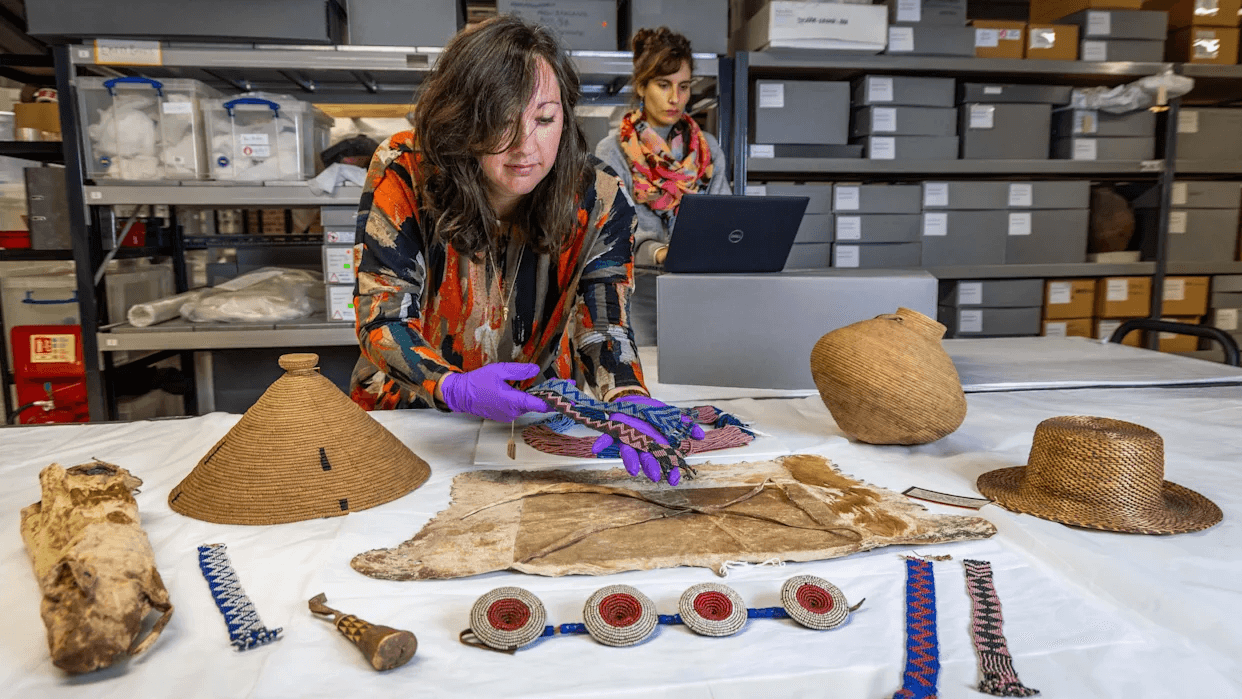
The decision by Brighton & Hove Museums to return 45 cultural artefacts to Botswana reflects a broader and increasingly successful continental push to reclaim heritage taken during the colonial era.
Across Africa, governments, museums, and cultural institutions have intensified efforts to recover thousands of objects removed under unequal power structures in the 19th and early 20th centuries.
In recent years, momentum has accelerated. Nigeria secured the return of the famed Benin Bronzes from institutions across Europe and North America. Ethiopia has also seen the repatriation of sacred treasures looted during the 1868 Battle of Maqdala, while countries like Ghana and Senegal have advanced diplomatic and legal frameworks to facilitate returns.
European institutions are gradually responding. France commissioned the landmark Sarr-Savoy Report, which recommended the large-scale return of African artefacts, setting a precedent for policy shifts across Western museums. Germany, the UK, and others have since engaged in negotiations, signaling a shift from resistance to cooperation.
Within this wider context, Brighton & Hove Museums’ agreement to repatriate 45 artefacts to Botswana stands out as a meaningful step forward. The items—collected in the 1890s from the Gammangwato region—are set to return to the Khama III Memorial Museum following a formal request made in 2022.
The artefacts, which include clothing, accessories, hunting tools, and domestic items, were originally collected in the 1890s by William Charles Willoughby from the Gammangwato region. Their return is part of a broader effort to reconnect cultural objects with their communities of origin.
The repatriation represents more than a transfer of ownership. According to curator Portia Tremlett, the process is about restoring the cultural and historical context of the items, allowing them to regain meaning within the societies that created them.
The initiative builds on collaboration between the two institutions under the “Making African Connections” project, led by the University of Sussex. The returned artefacts are expected to be featured in a new permanent exhibition opening on 27 May in Botswana.
Curator Gase Kediseng described the return as an act of restoration that affirms identity and empowers local communities to tell their own stories.
Taken together, this development underscores a growing recognition: the restitution of cultural heritage is not only about correcting historical injustices, but also about shaping a more balanced and respectful global cultural landscape—one where African histories are preserved, interpreted, and celebrated by those to whom they belong.