May 8, 2026
By Mesai M.
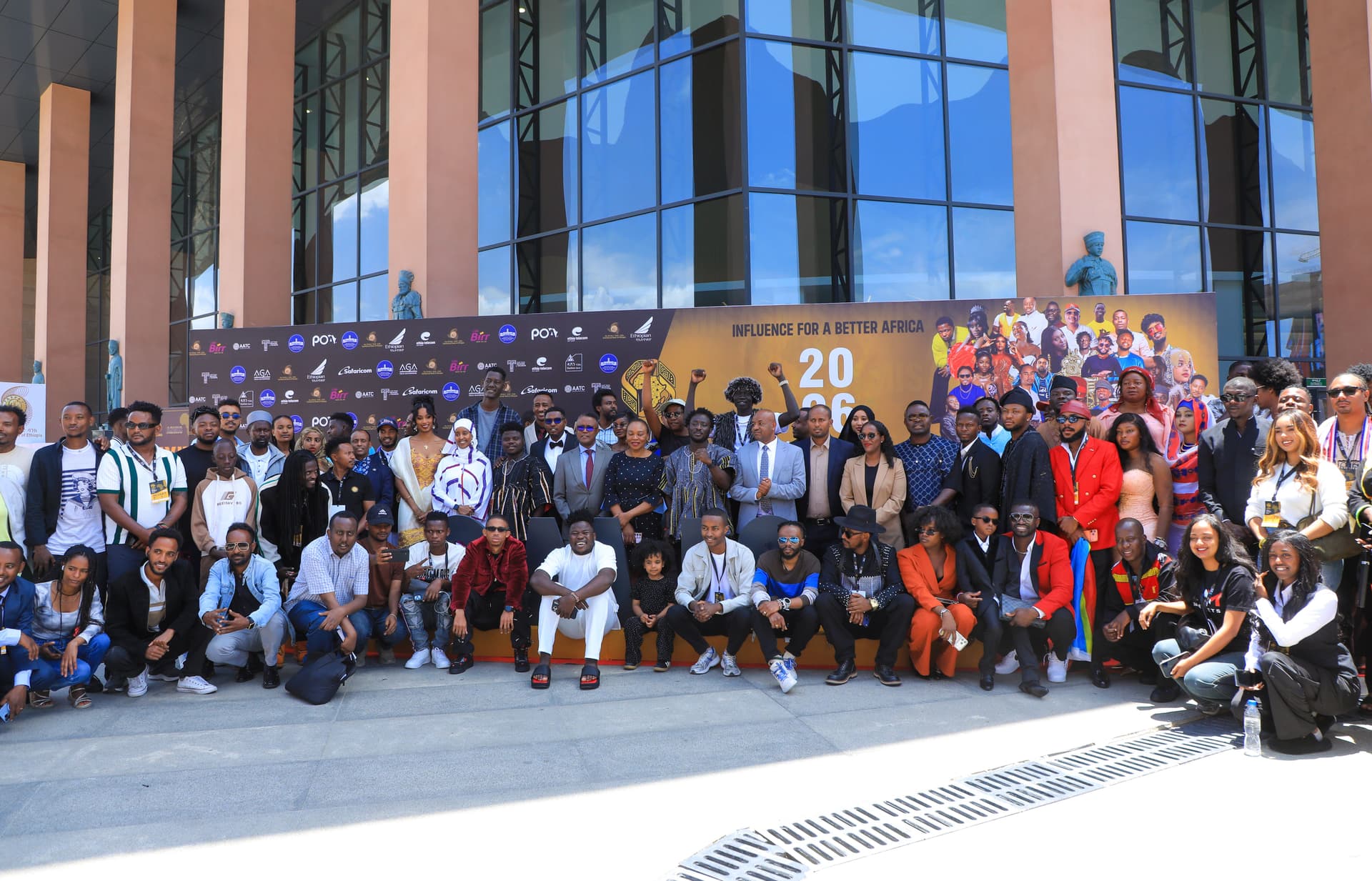
The African Social Media Influencers Summit (ASMIS) 2026 in Addis Ababa has got well underway. The influencers and content creators with tens of millions of following under their belts are having good informative and entertaining days, including visits to Ethiopia Artificial Intelligence Institute, among others.
As over 200 of the continent’s most formidable social media influencers gather today for the ASMIS 2026 panel at Adwa Victory Memorial Museum in Addis Ababa, the participants conversation has shifted from viral dances to a far more existential challenge: Branding.
For many years, the way the world sees "Brand Africa" has been shaped mostly by outsiders. The global view has often focused on just a few images such as poverty, struggles, or political chaos. Such distorted stories have real effects on the continent’s tourism. That negative imaging scared off foreign investors, and undervalues the creative work of millions of Africans.
While African creators now have hundreds of millions of followers worldwide, they usually work alone instead of as part of a united community. Africa’s "brand" is made up of many different pieces. It lacks the strategy and teamwork needed to stand out like "Brand America" or "Brand Europe."
The Need for Authenticity over Algorithm
At the heart of the summit’s discussions, there is a simple but powerful idea; Africa needs authenticity over algorithms. What this means is shifting from just telling stories that catch attention to building a strong, strategic brand that truly represents the continent.
As participants gathered at the Adwa Victory Memorial Museum’s auditorium, it is plausible to note three clear needs that may emerge. First, there’s the challenge of embracing diversity. Africa is made up of 54 states, each with its own identity. Trying to lump them together as one is not realistic or even desirable. But what is important is creating a shared standard a "Pan-African Gold Standard" that highlights Africa’s innovations, urban growth, and bright minds, alongside its rich cultural traditions.
Next is the issue of technological independence. With the rise of artificial intelligence and digital content, there’s concern that stereotypes or fake images of Africa could become more common. To avoid this, African influencers need to be "AI-literate", using new technology to boost the authenticity and uniqueness of African stories, not replace it.
Finally, there is the need to turn stories into sustainable income. A brand that does not make money is not really a brand; it is just a hobby. African creators must have the right tools and infrastructure to grow beyond small gigs and shoutouts. They need to become respected brand ambassadors who can earn fair pay and ensure that the wealth created by Africa’s culture stays within the continent.
This summit is pushing hard for Africa to tell its own authentic story—one built on strategic thinking, technological savvy, and economic empowerment.
Rebranding the Lion
If we want to see Africa as the world's most important "emerging brand," then the ideas shared in Addis Ababa should guide our strategy.
First, there is the "Adwa Spirit" in content creation. Influencers need to embrace a "Victory Mindset." Instead of just reacting to Western stereotypes, they should take control and set the agenda. We shouldn’t just try to "debunk" myths; we should make them irrelevant by flooding the digital space with stories of African tech hubs, fashion weeks, and green energy projects—realities that showcase Africa’s progress and innovation.
Next, cross-continental collaborations are vital. For instance, a Nigerian influencer filming in the streets of Addis, or an Ethiopian creator capturing the tech scene in Nairobi. When creators from different countries work together and share audiences, we create a "Continental Network Effect." This makes the African brand impossible to ignore worldwide.
The summit also emphasized the importance of ethical AI use. We should harness AI to translate our stories into many languages. For example, an Ethiopian farmer’s success story could be easily shared and understood in Tokyo or Rio de Janeiro, helping to spread Africa’s positive narratives far and wide.
Finally, branding is too important to leave only to creative minds. Governments must see influencers as digital diplomats. When an influencer shares images of the Adwa Memorial, they’re doing more for Africa’s tourism brand than any billboard in Times Square could.
As the sun sets over Addis Ababa, those leaving the Adwa Memorial carry a big but exciting responsibility. The summit made one thing clear: Africa is no longer a project to be "helped." It is a brand to be built.
The victory at the historic Battle of Adwa was won with shields and spears. The victory in 2026 will be won with pixels, posts, and the unapologetic storytelling of a continent finally ready to tell its own story—on its own terms.