May 13, 2026
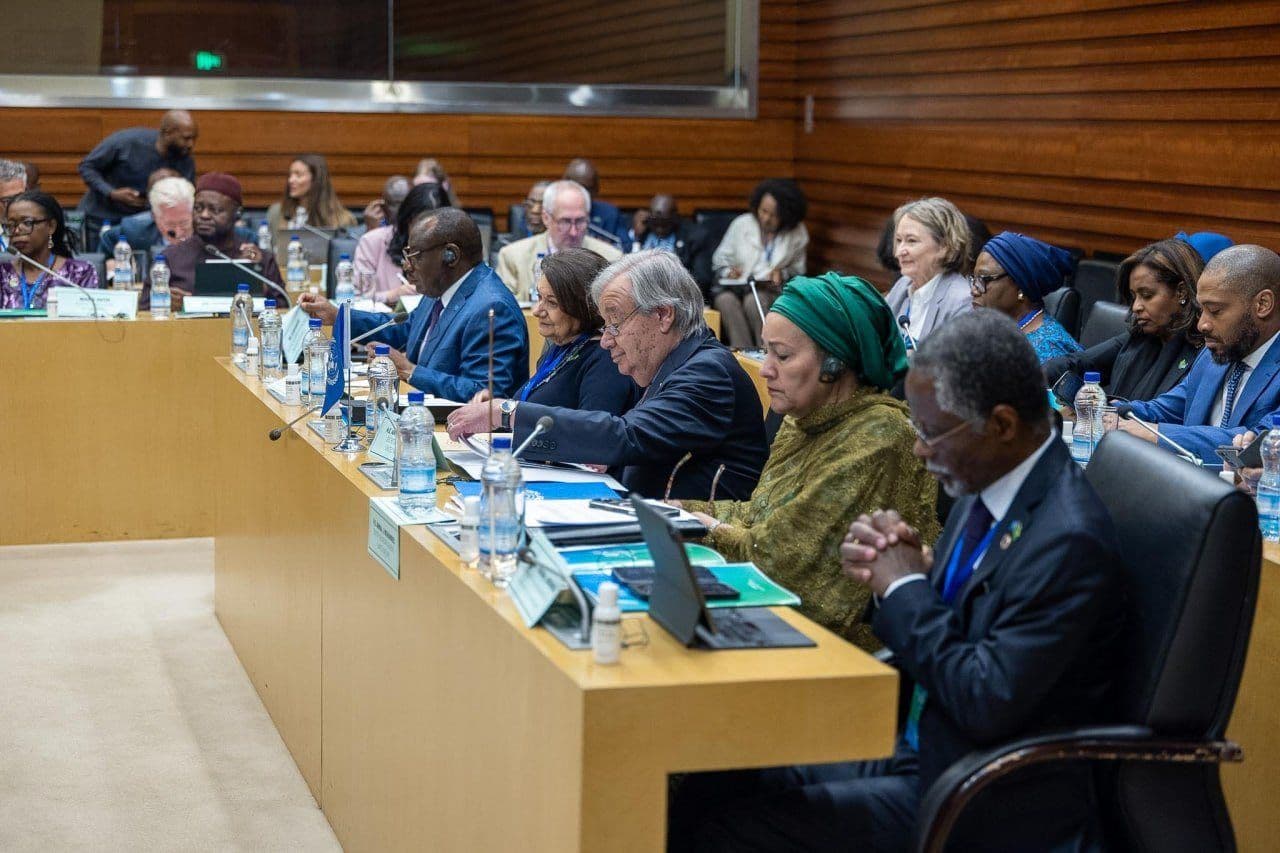
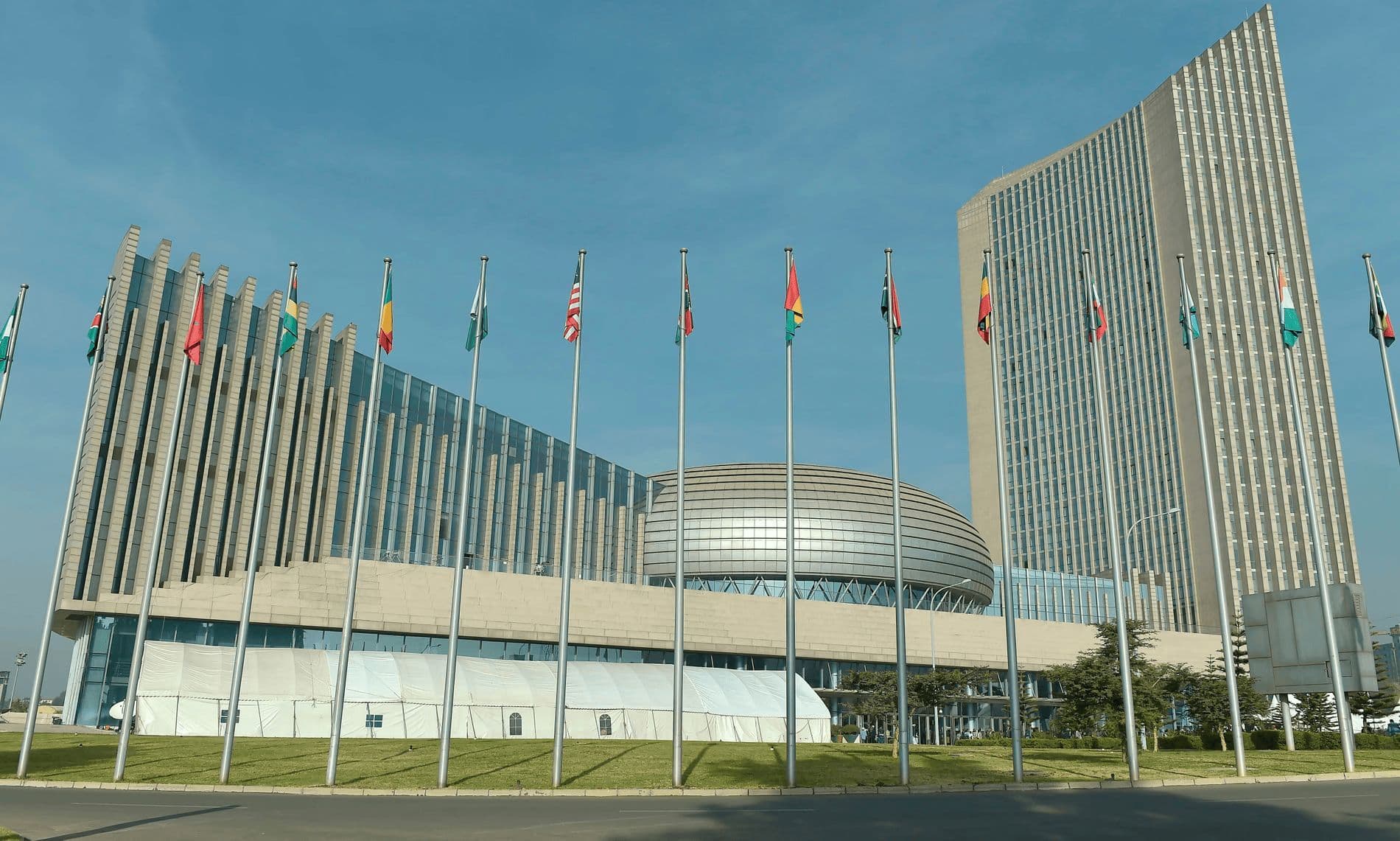
The 10th African Union–United Nations Annual Conference kicked off in the Ethiopian capital Addis Ababa on Wednesday, bringing together senior leaders from the two multilateral institutions to advance cooperation on peace, security, development, and global governance reform.
The summit follows commitments reached at the 9th Annual Conference in New York in 2025, co-chaired by United Nations Secretary-General and African Union Commission Chairperson, where discussions focused on crises in Sudan, Somalia, the Sahel, and the Horn of Africa, alongside financing for African Union peace operations.
The 2026 meeting is expected to strengthen cooperation in peace and security, conflict prevention, sustainable development under Agenda 2063, human rights, climate action, humanitarian response, and African-led peace operations. It also places renewed emphasis on water security and sanitation in line with upcoming UN initiatives.
In the opening sessions, United Nations Secretary-General António Guterres warned that Africa’s security crises are closely linked to deep structural inequalities in the global system. He said the continent continues to face an “unjust” international economic architecture, pointing to the lack of permanent African representation on the UN Security Council as a major gap with serious consequences.
He argued that this imbalance contributes to a global system that disadvantages Africa, particularly through issues such as debt burdens, unequal financial governance, and inequitable allocation of Special Drawing Rights (SDRs).
Guterres warned that these mechanisms collectively reinforce inequality, limiting Africa’s ability to implement its development strategies and weakening its economic transformation efforts.
He stressed that such structural injustices not only hinder Africa’s progress but also affect the stability of the international system as a whole, calling for reforms in global financial and political institutions to ensure fairness, inclusion, and effectiveness.
Despite these concerns, he reaffirmed the United Nations’ commitment to supporting African-led peace efforts and emphasized that lasting solutions require stronger governance, sustainable development, and coordinated international cooperation rather than fragmented responses.
The Chairperson of the African Union Commission, Mahamoud Ali Youssouf, also warned that severe financial constraints are significantly weakening the African Union’s capacity to respond to conflicts and sustain peace operations across the continent. He said budgetary pressures are straining Africa’s peace architecture and limiting the ability to deliver credible long-term solutions to instability.
He called for predictable and reliable financing mechanisms to support African-led peace operations and strengthen regional stability.
The conference continues with renewed calls for stronger AU–UN cooperation, as leaders stress that lasting peace in Africa depends on both security interventions and deeper reforms of the global financial and political system.