May 26, 2026
By Gosaye Feyissa
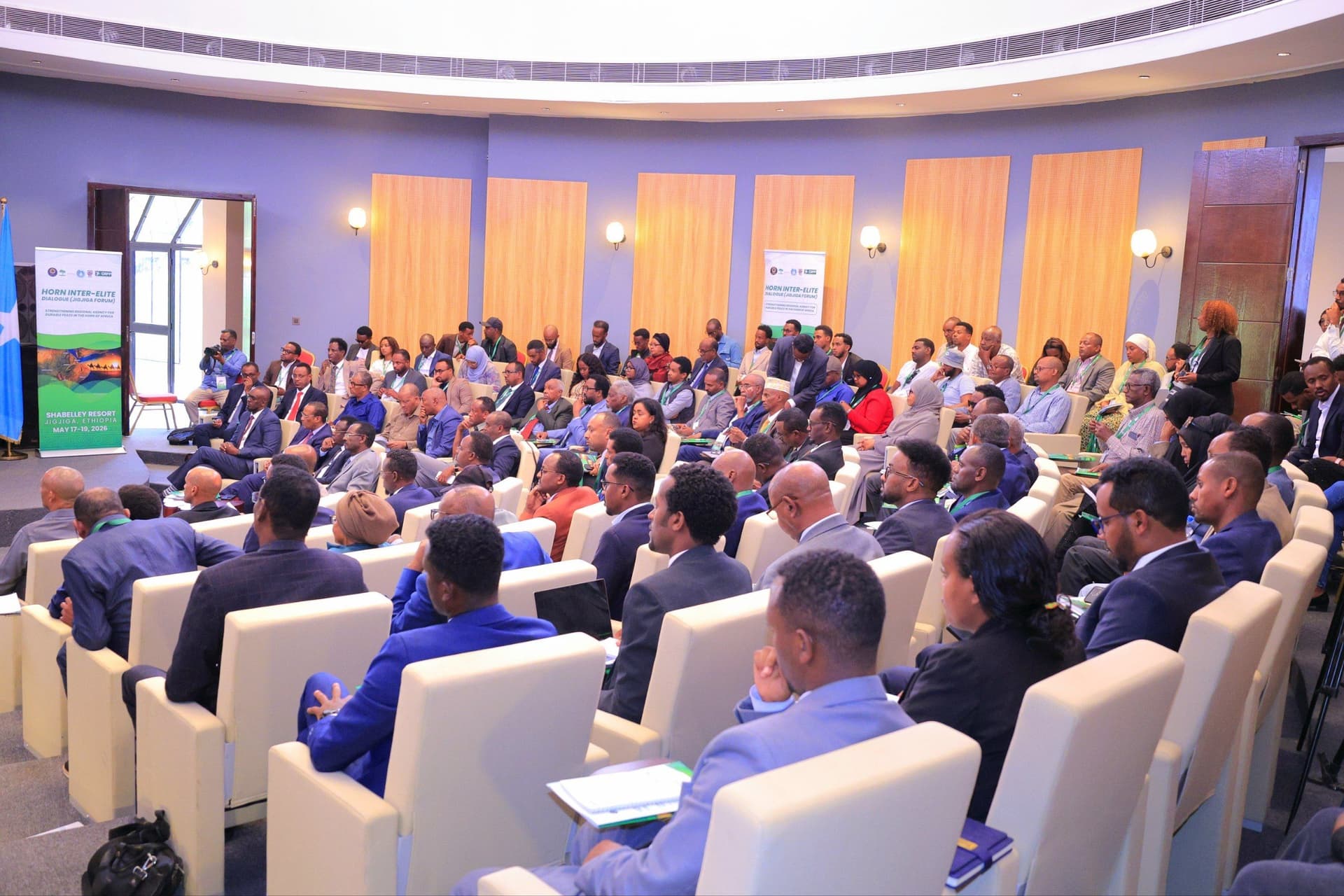
The recent Jigjiga Forum (a.k.a. Horn Inter-Elite Dialogue) underscored the critical importance of regional cooperation and institutional strengthening in addressing the persistent fragility and conflict that have long plagued the Horn of Africa. Convened under the theme “Strengthening Regional Agency for Durable Peace in the Horn of Africa,” the forum brought together key stakeholders—ministers, senior officials, academics, experts —from Ethiopia, Somalia, Kenya, and Djibouti.
This gathering marked a pivotal moment in regional efforts to transition from reactive, securitized approaches to more sustainable, inclusive, and institutionally resilient strategies for peace and development.
Historically, the Horn of Africa has been characterized by a reliance on military responses, counterterrorism measures, and interstate tensions, often at the expense of development, social inclusion, and economic integration. For decades, the dominant security paradigm has limited regional stability to short-term crisis management, neglecting the underlying structural and governance issues that perpetuate fragility. This imbalance has resulted in repeated cycles of conflict, displacement, and economic stagnation, emphasizing the urgent need for a paradigm shift toward comprehensive regional strategies that prioritize institution-building and inclusive governance —an issue that underpins the elite exercise in the cross-sectional Eastern Ethiopian city of Jigjiga, the capital of the Somali regional state.
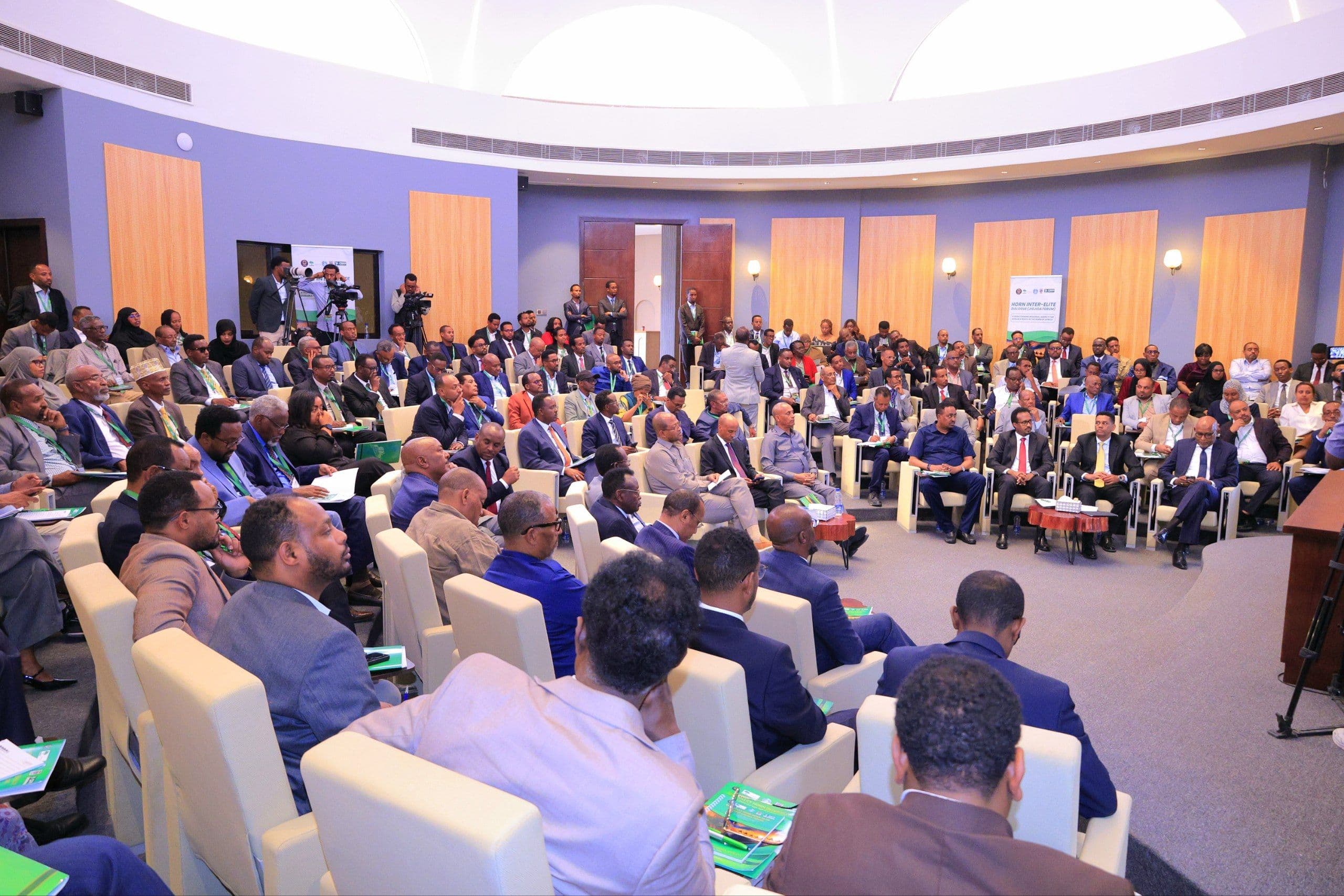
Director-General for African Affairs at the Ethiopian Ministry of Foreign Affairs, Ambassador Zerihun Abebe, highlighted the shifting global power dynamics that influence regional stability. As emerging middle powers like Turkey, Saudi Arabia, and the United Arab Emirates expand their influence in Africa, internal governance weaknesses and strained citizen–state relations risk inviting external intervention. He called for a deeper reflection on domestic structural deficits—such as weak institutions, corruption, and limited civic space—that undermine stability and facilitate external actors’ exploitation.
This aligns with broader global trends where middle powers increasingly shape regional geopolitics through investments, diplomacy, and soft power, often filling the vacuum left by waning traditional Western influence.
Assistant Professor at the Jimma University Dr. Idris Yeba Buta (Ph.D.) —he is also Editor-in-Chief of the PanAfrican Journal of Governance and Development—told the distinguished gathering that the weakening of the rules-based international order has created a governance vacuum that middle powers actively seek to fill. He pointed out that Africa’s governance gaps—such as limited rule of law, weak institutions, and inadequate public service delivery—expose the region to external exploitation, including economic predation and political interference. Idris advocated for strengthening domestic institutions, enhancing regional diplomacy, and engaging civil society, youth, media, and grassroots actors to build resilient, locally owned peace processes. He argued that sustainable peace in the Horn of Africa depends on empowering these actors and fostering a sense of shared ownership over peace and development initiatives.
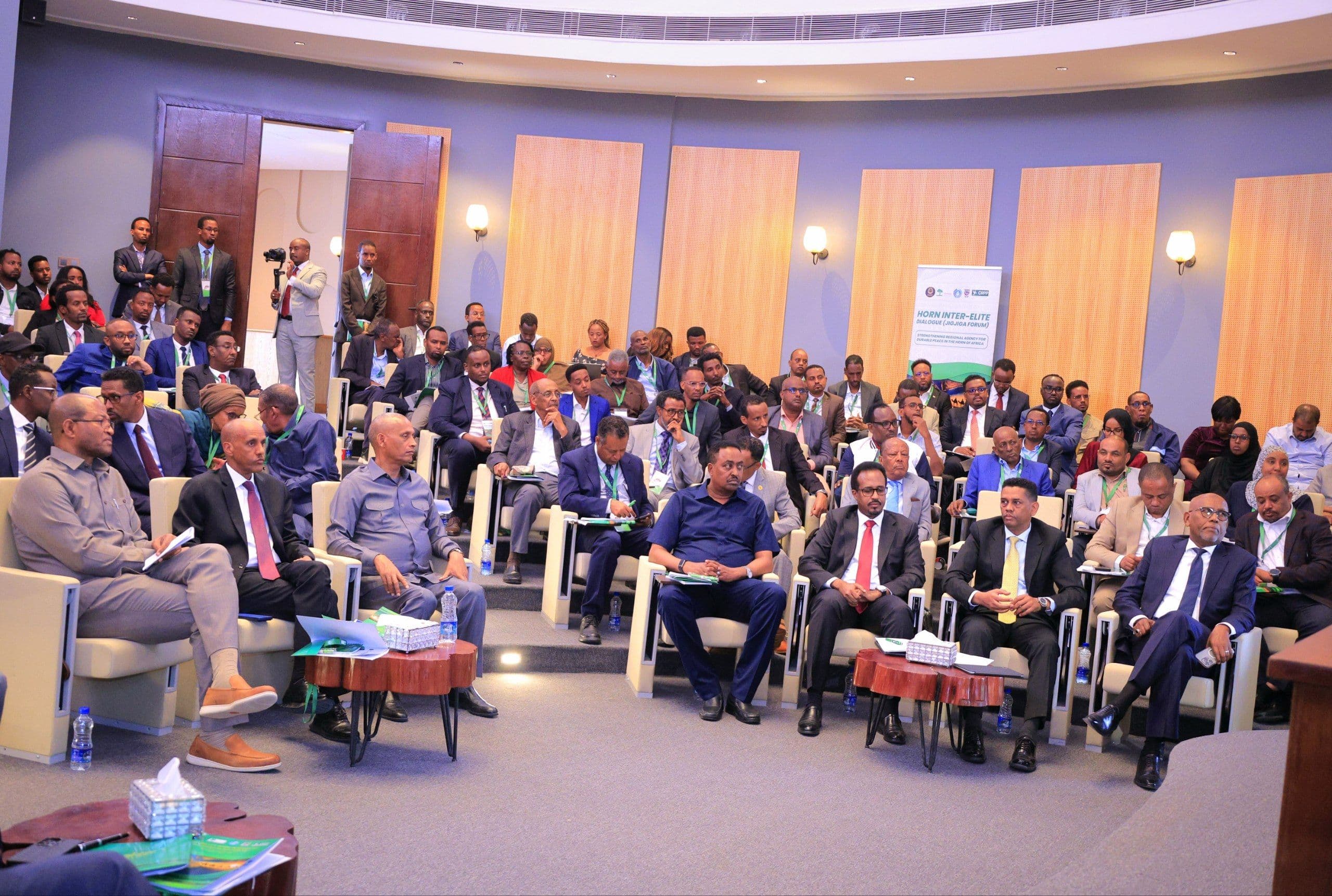
The forum recognized that border communities are not merely victims of instability but also vital agents of peacebuilding and regional integration. Shared cultural, linguistic, historical, and economic ties across borders often surpass political divisions, providing a foundation for cooperation. Informal cross-border trade, pastoral mobility, indigenous conflict resolution mechanisms, and social networks have historically facilitated coexistence even amid crises.
However, these communities face mounting pressures—climate change, resource scarcity, weak governance, migration, illicit trade, and limited state presence—that threaten their resilience. Often excluded from formal state systems, these communities rely heavily on informal institutions, underscoring the need for formal recognition and support for local governance structures.
The Intergovernmental Authority on Development (IGAD) —an eight-nation security and trade bloc —was identified as a crucial regional mechanism for cooperation, yet the participants acknowledged its limitations. Challenges such as inconsistent political commitment, dependence on external funding, and a predominant focus on crisis management hinder IGAD’s effectiveness. The participants called for the organization to evolve into a more comprehensive platform that promotes economic integration, infrastructure development, climate resilience, and public engagement. This aligns with global lessons emphasizing that regional organizations must adapt to changing geopolitical realities and internal needs to be truly effective.
Advisor to Ethiopia’s Prime Minister on East African Affairs, Getachew Reda on the occasion emphasized that decades of securitization have stifled economic cooperation. He urged a shift towards development-oriented regionalism that prioritizes infrastructure, trade, and people-to-people connections, supported by civic engagement, civil society participation, and stronger accountability mechanisms. Such approaches can foster trust and shared interests, reducing incentives for conflict and fostering sustainable development.
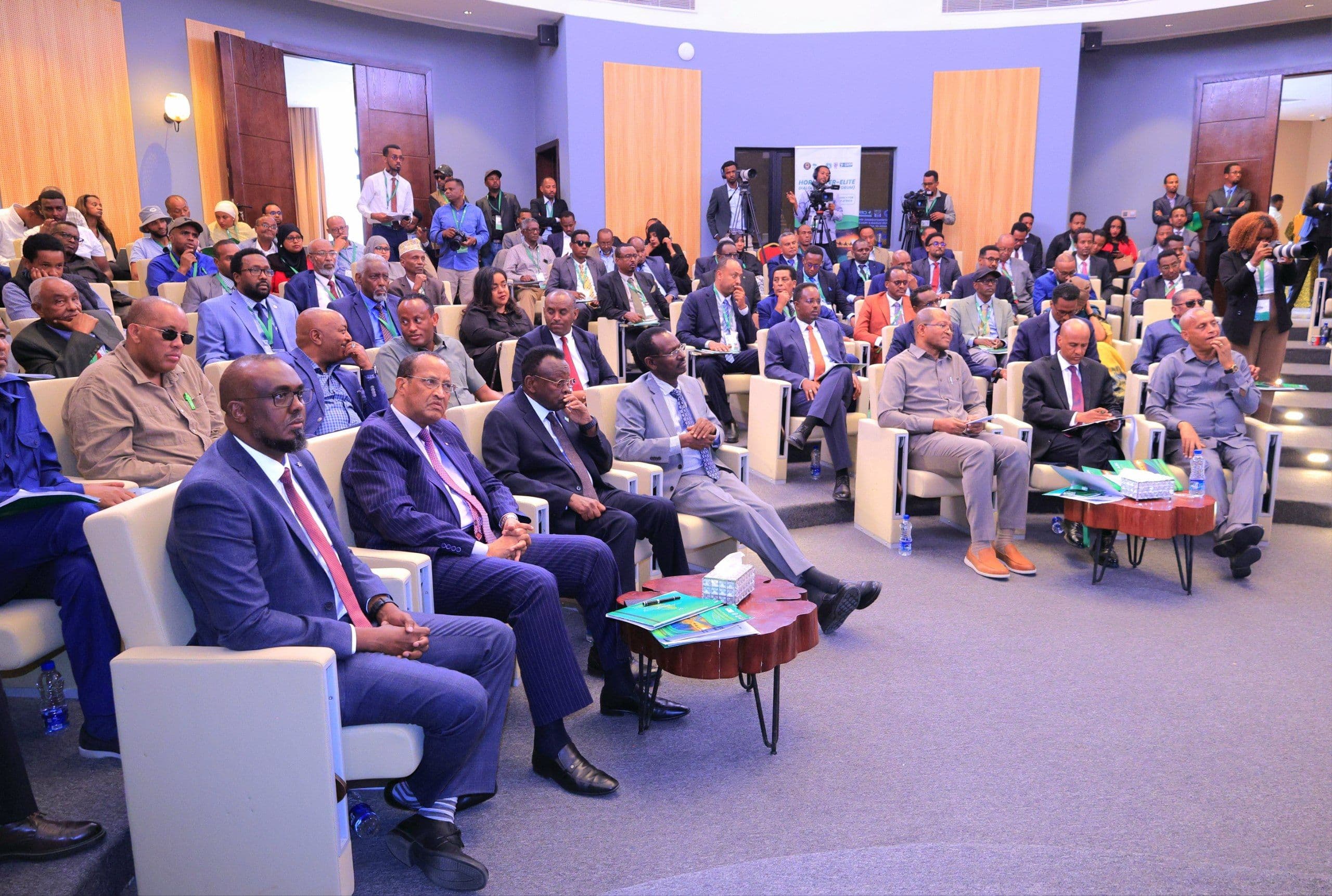
Inclusive dialogue and broad-based participation emerged as central themes. The forum underscored that peacebuilding efforts have often been elitist, excluding women, youth, pastoralists, traders, and border communities. For lasting peace, there must be greater local ownership and participation from diverse social groups, recognizing their unique contributions and perspectives.
Regional Advisor at the Centre for Humanitarian Dialogue in Somalia, Mohamed Salah Ahmed, reinforced that regional integration is not solely an economic goal but a vital foundation for peace and stability. He highlighted challenges such as low intra-African trade, weak infrastructure, and fragmented markets that hinder regional development. Policy coordination, cross-border cooperation, and investment in infrastructure are essential to creating an interconnected and resilient Horn of Africa.
The geopolitical landscape of the Horn of Africa is increasingly complex, especially around the Red Sea and Bab el-Mandeb corridor, which are vital maritime routes connecting Africa, the Middle East, and Asia. External actors, including global powers and regional players, are vying for influence in these strategic areas. While external partnerships can offer opportunities for development and security, weak regional coordination risks external actors exploiting divisions and undermining sovereignty. This underscores the importance of African states taking greater ownership of regional security and development agendas, fostering collective action.
Economic integration was identified as a core pillar for stability, with shared infrastructure, trade corridors, energy systems, and digital connectivity seen as instruments for fostering peace through mutual interdependence. These initiatives can create economic opportunities, reduce poverty, and build trust among communities and states. The strategic significance of Jigjiga, located along key trade routes linking Ethiopia, Somalia, Djibouti, and Kenya, was repeatedly emphasized. The participants highlighted the city’s potential as a regional hub for dialogue, trade, and development, with opportunities to reframe border regions as corridors of economic growth, leveraging livestock resources, youth demographics, and informal markets.
A key outcome of the forum was the establishment of the Jigjiga Forum as a permanent platform for dialogue, research, and coordination on peace and regional integration in the Horn of Africa. This initiative aims to foster sustained engagement among stakeholders, promote evidence-based policymaking, and bolster regional ownership of peace processes.
The Jigjiga Forum reaffirmed that managing fragile transitions in the Horn of Africa requires a shift from militarized responses to strengthening regional institutions, fostering inclusive governance, and deepening economic integration. Building trust between governments and citizens, empowering local communities, and creating shared opportunities are essential for sustainable peace. The forum’s vision reflects an aspiration for the Horn of Africa to move beyond conflict management towards regional ownership, cooperation, and durable peace—an urgent call that echoes across the region’s historical struggles and future prospects.