Jun 1, 2026
By Mesai M.
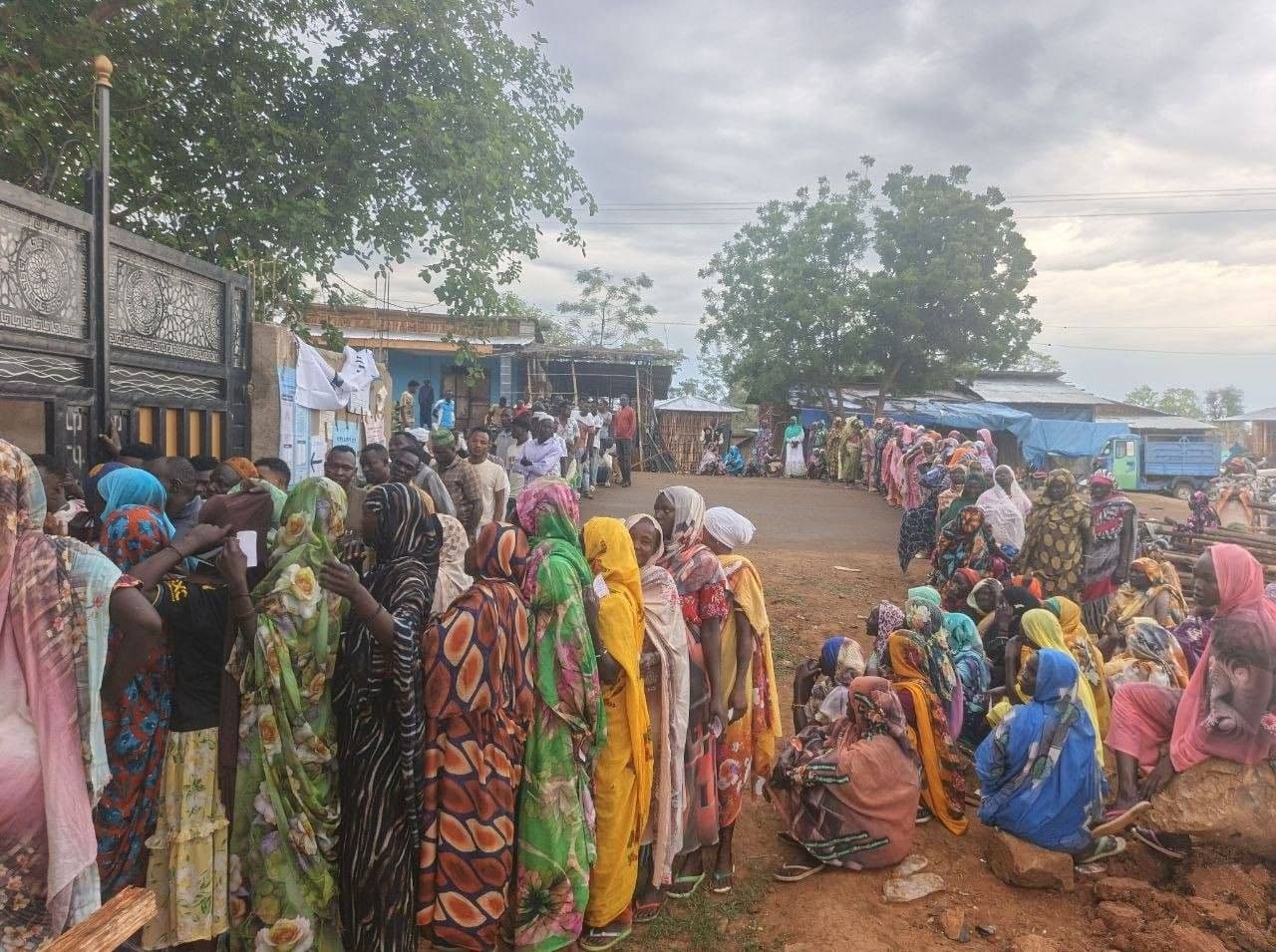
Today, across the towns, villages, highlands, and lowlands of Ethiopia, a powerful democratic image has emerged. From the busy streets of Addis Ababa to remote rural areas, many people came out to cast their vote. Mothers with children, older citizens using walking sticks, young voters voting for the first time, workers, students, religious leaders, and people with disabilities all took part in this important event.
On this historic election day, Ethiopia offered the world one of democracy’s most enduring images: citizens waiting patiently in long lines to cast their votes. It is plausible to note that democracy is not built solely in parliament buildings or constitutional conferences. It is built when ordinary citizens believe their voices matter enough to leave their homes, stand in line, and participate in shaping their country’s future.
More than 54 million Ethiopians registered to vote before the election, making it one of the biggest democratic events ever held in Africa. This huge number shows how many people are actively involved in shaping their country, even in a nation with over 130 million people. Election officials called it the largest registration in Ethiopia’s history, and observers noted that more people are becoming aware of the importance of participating in democracy.
Yet the true significance of today’s turnout goes beyond numbers. The strength of a democracy is measured not only by who wins an election but by how many citizens feel invested in the process. Every elderly voter who traveled to a polling station demonstrated confidence that participation still matters. Every young voter represented a generation refusing to remain spectators in national affairs. Every mother who arrived with her child embodied a belief that democracy is an inheritance worth passing to the next generation.
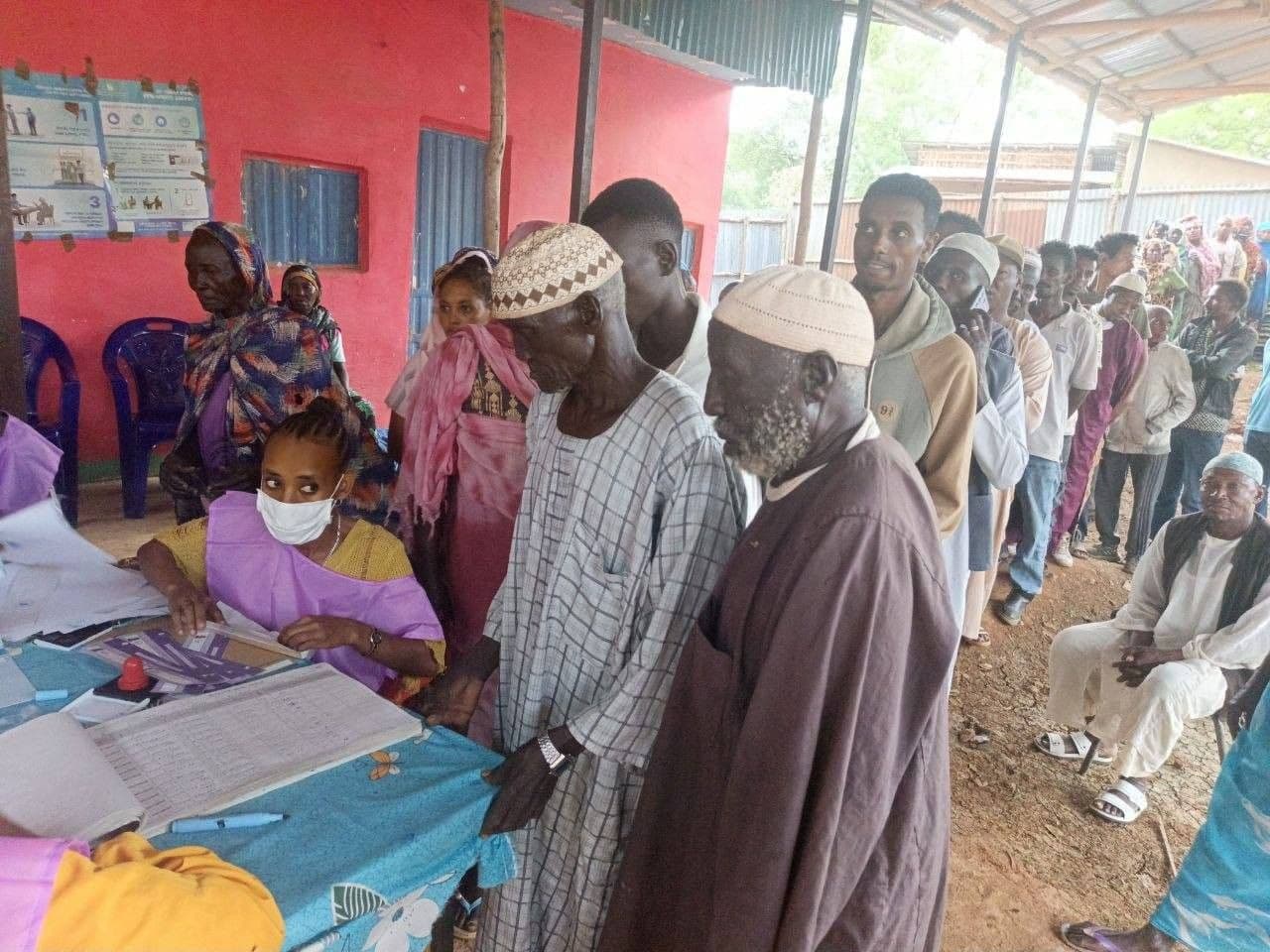
In many African countries, political discussions often focus on governments, political parties, and leaders. Today's scenes in Ethiopia remind us that democracy ultimately belongs to citizens. The people standing in line are the real custodians of democratic institutions.
Across Africa, voter apathy has become an increasing concern. Many citizens, particularly young people, have grown frustrated by unfulfilled promises, economic hardship, and political polarization. Yet Ethiopia’s election offers a different lesson. Participation itself is a form of national investment. Citizens strengthen institutions when they engage with them rather than abandon them.
This lesson extends far beyond Ethiopia’s borders. Africa is entering a decade that will be defined by its youth. The continent's population is expected to continue growing rapidly, making democratic participation increasingly important for stability, development, and social cohesion. Elections that mobilize broad segments of society, women, youth, rural communities, urban professionals, elders, and marginalized groups, help create a sense of collective ownership over national progress.
The significance of today's turnout is also symbolic. In societies characterized by ethnic, linguistic, religious, and regional diversity, elections become one of the few national moments when millions of people perform the same civic act simultaneously. They may vote differently, hold different opinions, and support different parties, but participation itself creates a shared democratic experience.
Reports from polling stations described citizens arriving early and forming long queues before voting officially began. International media observed strong participation in several locations despite political debates surrounding the election. Some voters expressed hope that their vote could contribute to national reconciliation, economic progress, and improved governance.
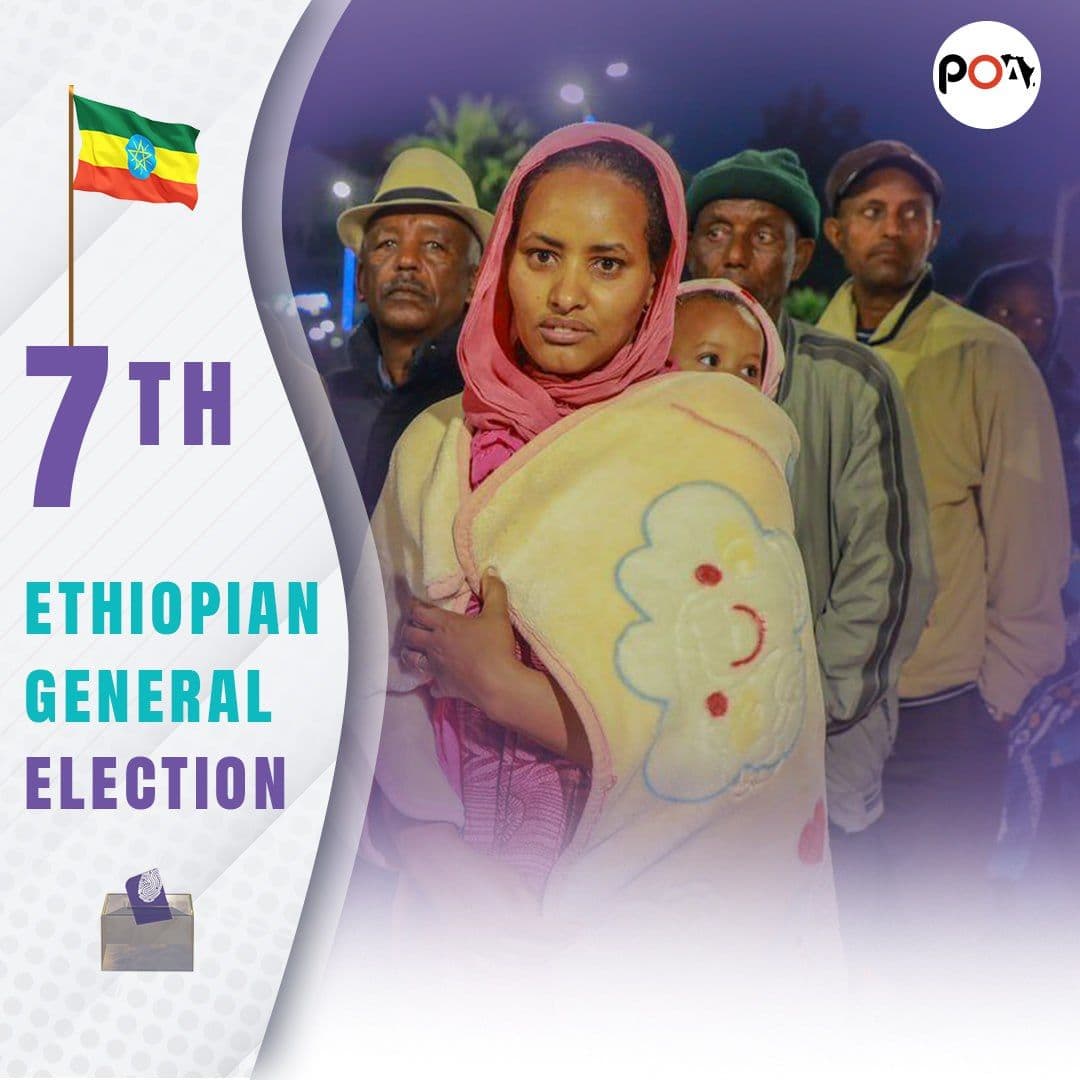
One voter interviewed by international media, shopkeeper Senait Dereje, described voting as a meaningful opportunity for change, reflecting a sentiment shared by many citizens who view elections as a chance to influence the country's direction.
Millions like Senait Dereje, a 37-year-old shopkeeper, is certain her vote matters. “I have registered to vote. I am not sure if my vote will bring the change that I want and that will help change my livelihood,” Senait told the AP. She told the news agency as she is determined to vote and see it as a referendum like vote on the mixed record of the government.
Concerns surrounding electoral process and security remains part of Ethiopia’s democratic conversation. These discussions are themselves reminders that democracy is not a destination but a process requiring constant refinement and public vigilance.
Still, regardless of political preference, today's images will likely endure long after campaign slogans are forgotten.
The mother carrying her child to the polling station. The elderly man refusing to miss his vote. The young citizen casting a ballot for the first time. The disabled voter determined to participate despite obstacles.
These are the faces of democratic resilience. For Ethiopia, the lesson is clear: democracy becomes stronger when citizens participate. For Africa, the message is equally important: the future of democratic governance will not be determined only by political elites, but by ordinary citizens who continue to believe that their voice matters.
Selamawit Amsalu, a dedicated nurse, shared with POA that she was captivated by the impressive turnout she watched unfold live on television. She expressed deep regret for missing the registration process, feeling she missed a vital opportunity. Despite this, she admits that the election has taught her a great deal, sparking a newfound awareness and curiosity about the democratic process.
In the end, the longest queue at a polling station may be more than a line of voters. It is a line of hope stretching from the present toward the future.