Jun 2, 2026
From Nairobi to Cape Town, African media hails Ethiopia's historic electoral exercise as proof that democracy of continental scale is possible
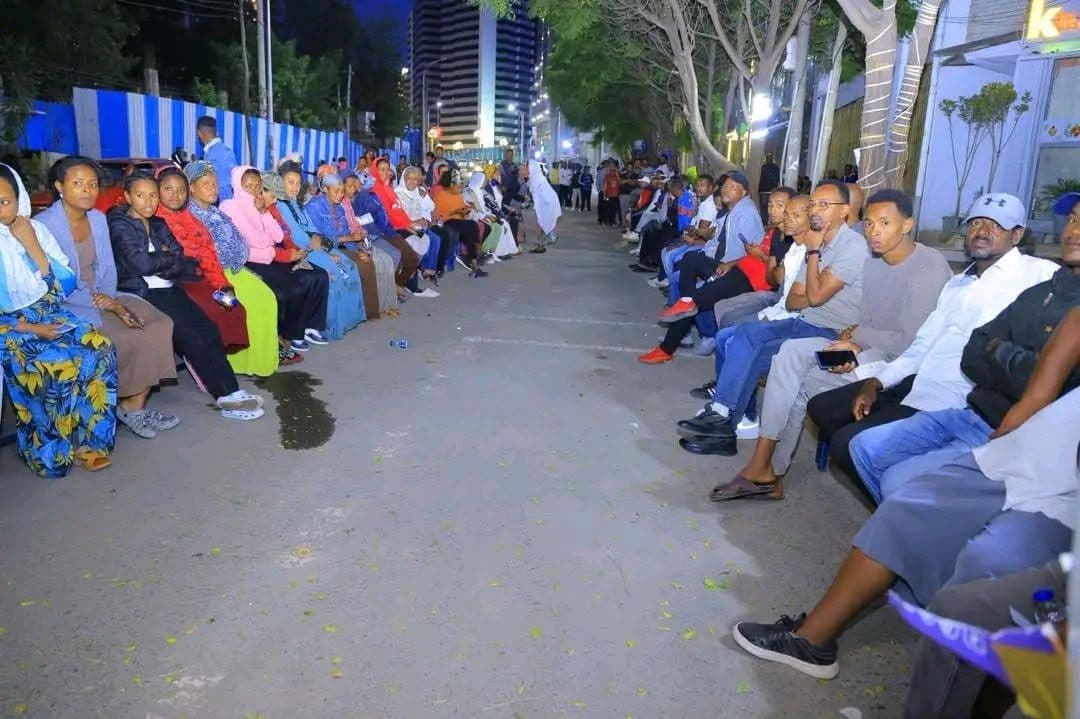
When polling stations opened across Ethiopia at 6:00 a.m. on June 1, 2026, something larger than a national election began.
Millions of Ethiopians cast their ballots in the country's 7th General Election, a vote widely seen as a significant milestone in Ethiopia's ongoing democratic journey — with citizens electing members of regional state councils and a new federal parliament set to shape the country's political direction for the next five years.
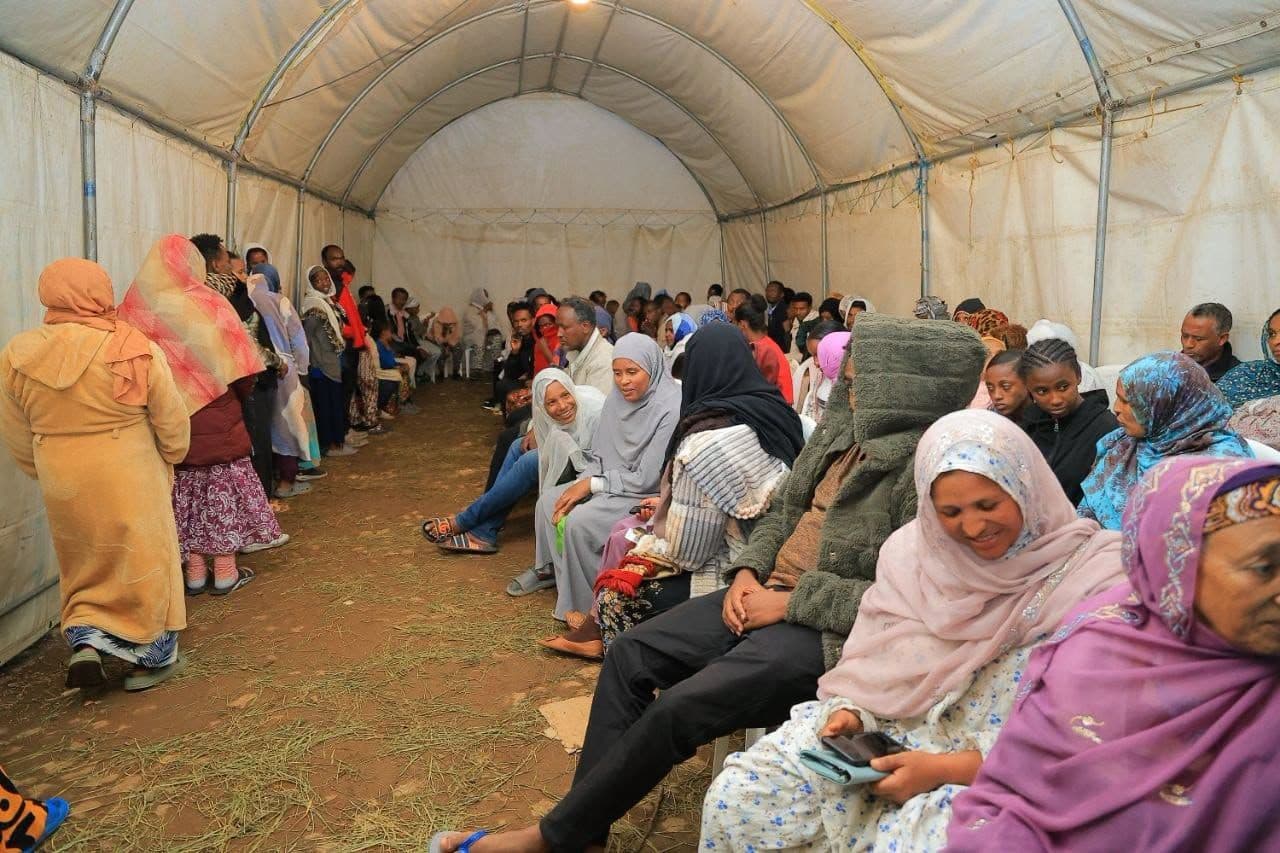
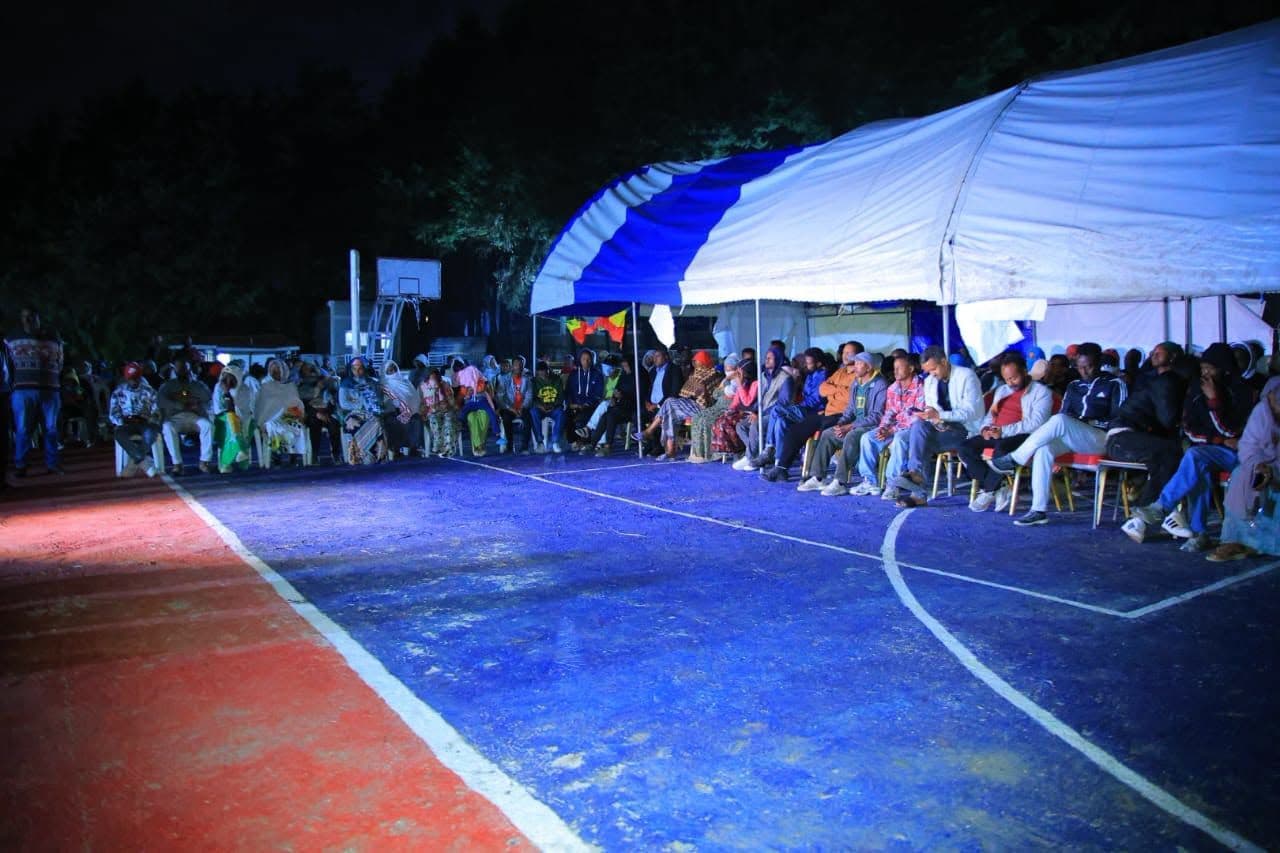
Millions exercised their democratic right across 50,000-plus polling stations in what was described as a peaceful election.
The sheer scale of the exercise drew admiration from across the continent. Ethiopia's 7th General Election was described as one of the largest democratic exercises not only in Africa but in the developing world — with over 54 million registered voters, 42 political parties fielding 10,438 candidates alongside 80 independents, and approximately 52,000 polling stations established nationwide.
In a region too often defined by political turbulence, military transitions, and constitutional crises, Ethiopia was seen as quietly scripting a remarkably different narrative — one of institutional consistency and democratic endurance.
For a nation of over 130 million people and home to more than 80 ethnic groups reaching a seventh consecutive general election was itself a statement of democratic maturity that few peers on the continent could match.
Africa's most prominent voices arrived in Addis Ababa to bear witness. Former Kenyan President Uhuru Kenyatta, leading the African Union Election Observation Mission, underscored the significance of the elections not only for Ethiopia but for the wider African continent, saying.
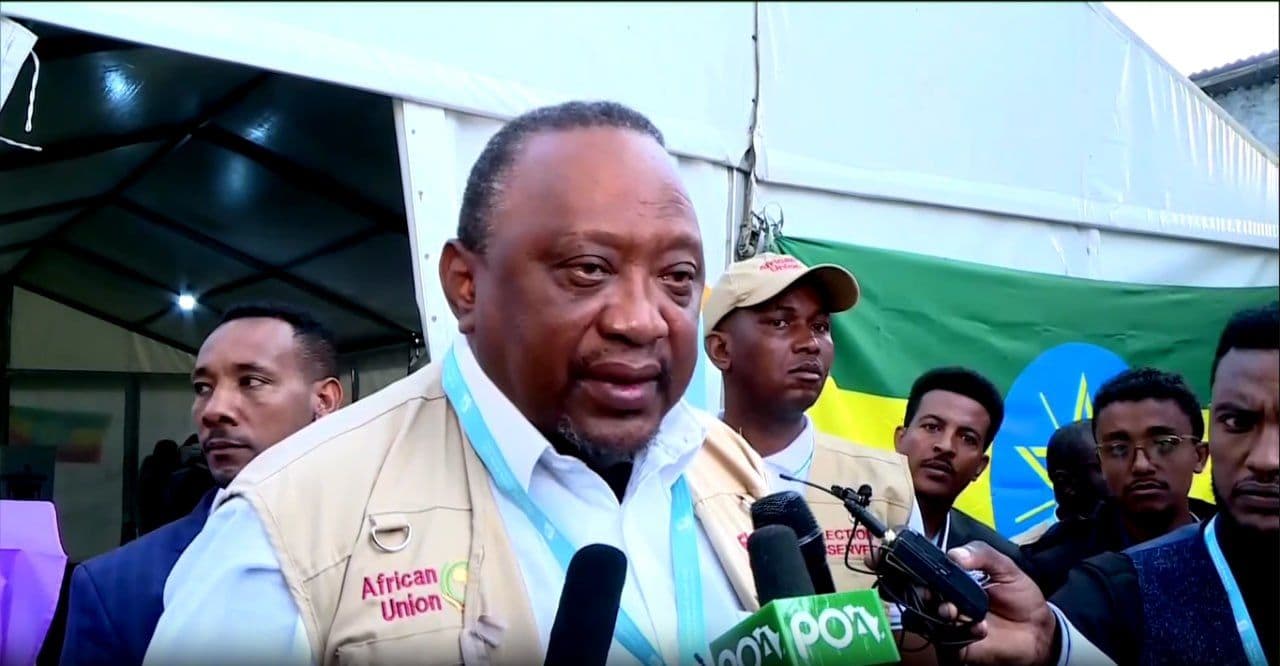
"As you know, Ethiopia is home to our continental organization, the African Union, and therefore the election here is important not just for Ethiopia, but for the entire continent," he underscored.
The AU mission itself comprised 73 short-term observers drawn from 37 African countries — 61 percent of them women — including ambassadors, election management body officials, civil society representatives, human rights specialists, gender and media experts, and youth organization representatives deployed across every region of the country.
IGAD added its own 26-member observation team, making the continental investment in Ethiopia's democratic process unmistakable.
Kenyatta's message went beyond observation — it became a philosophical statement about African democratic ownership.
He declared that "Ethiopia's success is Africa's success," and argued that Africa need not import democratic models from elsewhere: "Our situations are unique. We do not necessarily have to copy and paste models from other parts of the world. We can create and learn from ourselves and replicate best practices across the continent." He expressed a clear continental aspiration:
"Our desire is to see Ethiopia continue to grow from strength to strength, serving as a model for our continent." That framing — Ethiopia not as a fragile democracy needing external validation, but as a source of best practices for others — resonated powerfully across African editorial rooms that covered the election.
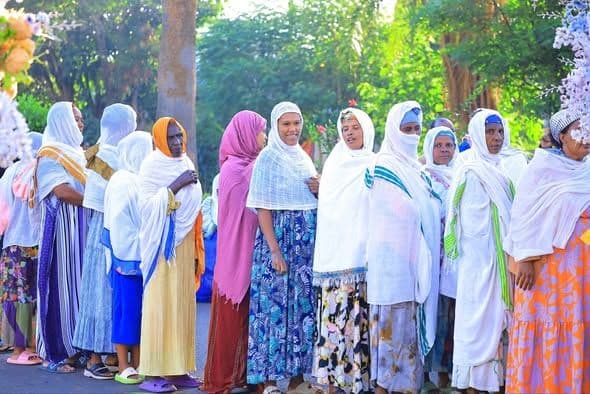
African media reinforced that continental pride and published analysis arguing that Ethiopia's 2026 election serves as a significant test of large-scale participation and institutional resilience — illustrating that a country can expand civic engagement and uphold constitutional procedures, making its election a vital reference point for the continent's political development.
What emerged from Ethiopia on June 1, 2026 was a democratic exercise that spoke far beyond its own borders. Many observers considered the election one of the most important in Ethiopia's modern history — one that carries significance far beyond the ballot box, representing a broader test of the country's democratic transition, institutional reforms, and political future.
Election officials, security personnel, observers, and polling staff were deployed nationwide to facilitate what became one of Africa's largest and most closely watched electoral exercises — a logistical achievement that, in its own right, demonstrated the growing institutional capacity of a nation that is increasingly defining what African democracy can look like. The continent watched. And by most African accounts, Ethiopia delivered.