A New Voice for Africa's Food Future: Chef Fatmata Binta's FAO Ambassadorship Signals a Culinary and Agricultural Revolution
Oct 19, 2025
Save
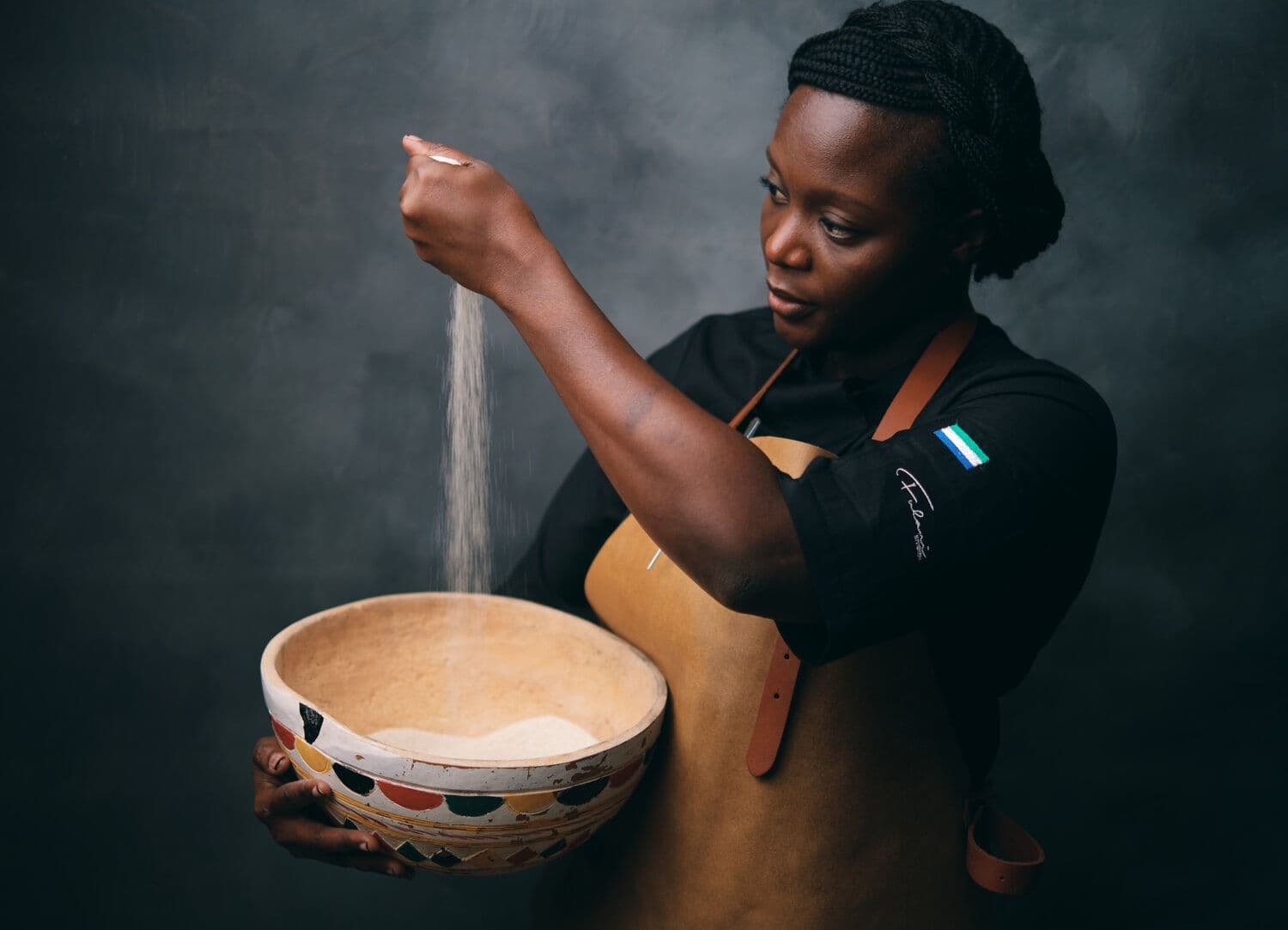
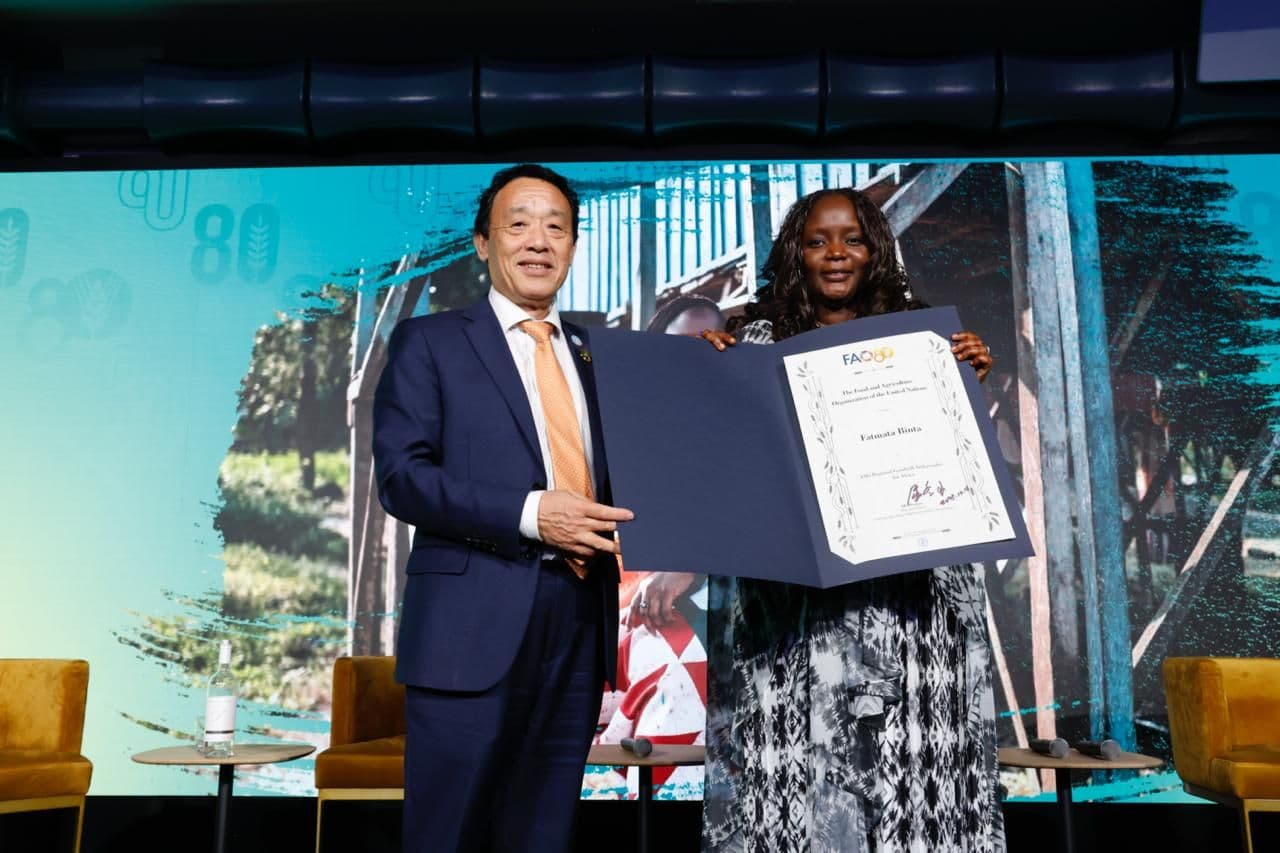
In a landmark move, celebrated culinary innovator and advocate for African agrifood systems, Chef Fatmata Binta, has been appointed as the Food and Agriculture Organization's (FAO) Regional Goodwill Ambassador for Africa. The designation, announced on World Food Day 2025, which also marked the 80th anniversary of the FAO, signifies a pivotal moment for the continent, placing a powerful new voice at the intersection of food, culture, and policy. For a continent grappling with food insecurity and the impacts of climate change, Binta's appointment is more than symbolic; it is a recognition of the transformative power of indigenous knowledge and grassroots innovation.
The Meaning Behind the Title
Recommended News
SADC Representative Calls for African-Led Solutions to Geopolitical and Security Challenges
The role of an FAO Goodwill Ambassador is to leverage influence and passion to focus global attention on the urgent need to eradicate hunger and malnutrition. Since its inception in 1999, the program has enlisted distinguished individuals to champion the message that food security is a collective responsibility.
In her new capacity, the Sierra Leone-born, Ghana-based chef will use her platform to advocate for smallholder farmers, particularly women and youth, promote healthy diets, champion indigenous crops, and work to reduce food loss and waste. As FAO Director-General Qu Dongyu noted, "A chef can inspire people to value food, the traditions that accompany it, and that respect its origins." For Binta, the role is a commitment to "advocating for Africa's forgotten foods, uplifting the matriarchs of our food systems, and ensuring rural communities are heard."
A Legacy of Culinary Innovation and Social Impact
Fatmata Binta's work has long been a testament to the power of food as a vehicle for cultural preservation and social change. She is the first African to win the prestigious Basque Culinary World Prize in 2022, a recognition of her profound impact.
Her exemplary work is embodied in two key initiatives:
Dine on a Mat: This celebrated nomadic restaurant concept is more than a meal; it's an immersive cultural experience that pays homage to her Fulani heritage. The Fulani are one of the largest nomadic groups in Africa, and through "Dine on a Mat," Binta shares their history, culture, and sustainable way of living, which emphasizes minimalism and avoiding food waste.
Fulani Kitchen Foundation: Through her foundation, Binta actively empowers women in rural communities. A central focus of this work is the promotion of fonio, an ancient and highly nutritious "super grain" that is resilient to climate change. In collaboration with the FAO, she has already trained women fonio producers in Ghana, introducing them to improved agricultural practices and modern processing machines to alleviate labor-intensive work and improve their livelihoods.
A Beacon for African Innovators
Binta's appointment is a watershed moment for African innovators in the culinary and agricultural sectors. It validates the importance of looking inward to the continent's rich biodiversity and traditional knowledge to solve modern challenges. Her success provides a powerful blueprint for others to follow, demonstrating that there is global recognition and value in:
Championing Indigenous Foods: Her advocacy for underutilized but climate-resilient crops like fonio, millet, and sorghum is crucial as Africa seeks to build self-sufficient food systems in the face of rising import bills and environmental pressures.
Bridging Tradition and Innovation: Binta masterfully connects ancestral culinary practices with contemporary issues, proving that heritage is not static but a dynamic source of solutions.
Female-Led Empowerment: Her focus on women farmers, who are the backbone of Africa's food production, highlights the necessity of placing women at the center of agricultural development to achieve systemic change.
Lessons in Sustainability and Empowerment
The journey of Fatmata Binta offers profound lessons for a world seeking a more sustainable and equitable future. Her work underscores several key principles:
The Power of Identity: By embracing and celebrating her Fulani roots, Binta has created a unique and impactful platform for change.
Sustainability is Ancestral: The minimalist and resourceful lifestyle of nomadic communities’ offers timeless wisdom on sustainable living and consumption.
Food as a Unifier: Binta's initiatives show that food can transcend its basic function, serving as a powerful tool for community building, cultural exchange, and even conflict resolution.
True Change is Collaborative: Her partnerships, from rural women's groups to the FAO, demonstrate that meaningful impact is achieved through collective action.
As Chef Fatmata Binta steps into her new role, she carries with her the stories of a continent, the wisdom of its ancestors, and the hopes of a new generation of innovators. Her ambassadorship is not just an honor, but a call to action—to rediscover, empower, and innovate from the rich soils of Africa's own heritage.
“This role means standing at the intersection of culture, food, and policy, advocating for Africa’s forgotten foods, uplifting the matriarchs of our food systems, and ensuring rural communities are heard,” Binta said. “With FAO, I am committed to championing indigenous knowledge, advancing food security, and working toward a just and sustainable future for all,” she added.