Jul 5, 2026
By Yimer Ayele
The recent anti-migrant protests in South Africa, which drew hundreds of thousands into the streets and occasionally erupted in violence, have exposed deep-seated challenges facing not only South Africa but the entire African continent. While the protests were ostensibly driven by concerns over unemployment, rising crime, and strained public services, they also revealed underlying issues of xenophobia, miscommunication, and the fragile state of regional integration. As many foreigners fled the country to escape violence and intimidation—over 25,000 are currently being processed for repatriation—these events serve as a stark reminder that Africa must confront its internal divisions and reaffirm its commitment to unity, human rights, and the principles laid out in the African Union (AU) charter.
The Context of the Protests
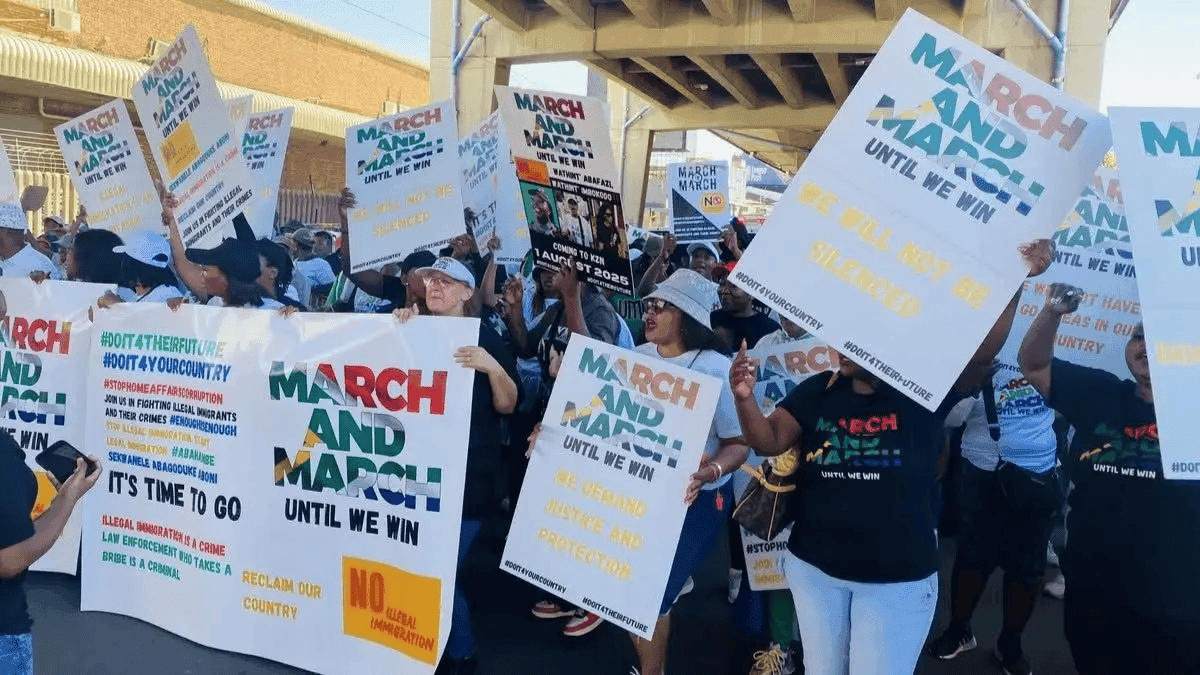
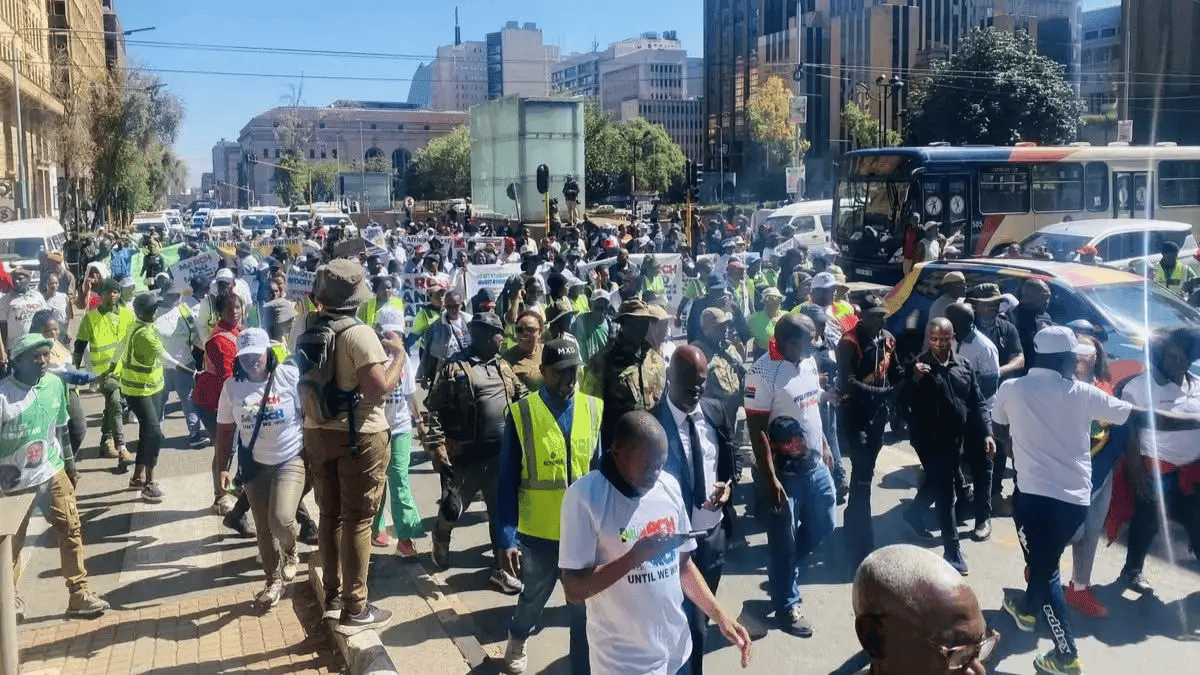
On June 30, huge crowds of South Africans marched across major cities like Johannesburg, Durban, and Pretoria, demanding the immediate departure of undocumented migrants. The protests, some of which turned violent with looting, property destruction, and clashes with police, were fueled by longstanding grievances. Demonstrators blamed migrants for taking jobs, increasing crime, and putting pressure on public services. Vigilante groups like the "March and March" movement led these demonstrations, calling for the expulsion of undocumented foreigners. The government, led by President Cyril Ramaphosa, attempted to calm tensions, describing the protests as "largely peaceful" and introducing stricter migration laws to curb illegal entry.
However, the protests’ impact extended beyond South Africa’s borders. Countries like Ghana, Nigeria, and others have expressed concern over the hostile treatment of their nationals. Ghana, in particular, has announced plans to seek international legal action and compensation from South Africa following deadly xenophobic attacks targeting its citizens. The diplomatic fallout risks damaging regional relations and tarnishing South Africa’s image as a leader of African progress.
The Myth of Job Competition and the Reality
A common narrative fueling anti-migrant sentiments is that foreigners are stealing South Africans’ jobs. This claim has been widely circulated and often exploited by political figures. Yet, prominent South African leaders, including former President Thabo Mbeki and opposition leader Julius Malema, have challenged this misconception. Malema, whose Economic Freedom Fighters have been vocal in opposing xenophobia, pointed out that there is little evidence to support the idea that migrants are displacing South African workers. In fact, many migrants are employed in sectors where South Africans are underrepresented, such as agriculture, domestic work, and small-scale entrepreneurship.
Malema also highlighted the paradox: “How many jobs were created after they left?” referencing the 600 Nigerians repatriated prior to the protests, implying that the departure of migrants does not automatically lead to employment for South Africans. Instead, these protests reflect broader economic frustrations, which are rooted in structural issues like inequality, unemployment, and lack of economic opportunity—factors that cannot be solved by scapegoating vulnerable migrant populations.
The Human Cost and Diplomatic Fallout
The xenophobic violence has had real and tragic consequences. Many migrants who feared for their safety have fled the country altogether, leaving behind their homes, businesses, and communities. The mass repatriation of migrants, mostly from neighboring African countries such as Zimbabwe, Mozambique, and Nigeria, underscores the severity of the crisis. These departures are not only a humanitarian concern but also a blow to regional solidarity and integration.
Ghana’s recent stance exemplifies the broader diplomatic tensions. Ghana has threatened legal action and demanded compensation for its nationals affected by violence. The country’s government has organized emergency evacuation flights for its citizens, reflecting fears that such xenophobic incidents undermine the spirit of African brotherhood. The situation risks becoming a diplomatic crisis, with other countries potentially following suit if their nationals face violence or discrimination in South Africa.
Why African Unity Matters
The African Union charter explicitly emphasizes the importance of protecting migrants’ rights, promoting free movement, and fostering economic integration across the continent. These principles are crucial for realizing Africa’s potential as a unified economic and political bloc. Yet, incidents like the recent protests threaten to undermine these efforts, creating divisions that hinder progress toward continental goals.
The continent’s vision of unity is rooted in shared history, culture, and aspirations for development. The struggles against colonialism and apartheid demonstrated Africa’s resilience and desire for self-determination. Today, the continent’s challenge is to extend that resilience to internal issues like xenophobia, economic disparity, and social cohesion.
Moving Forward: Education, Enforcement, and Engagement
To address the root causes of xenophobia and anti-migrant sentiments, South Africa must undertake comprehensive civic education campaigns that promote understanding and tolerance. The government should also strengthen law enforcement to hold accountable those who perpetrate violence against migrants and their property. It is essential that vigilante groups and individuals taking the law into their own hands face consequences, to reinforce the rule of law and human rights. South African police and security apparatus should be commended for having largely protected migrants from being physically attacked and their property from being vandalized. It was a tall order considering the sheer size of the protesters, but South African police proved their mettle.
Furthermore, South Africa needs to foster dialogue between communities, migrants, and government authorities. This approach can help dispel misconceptions, demonstrate the economic and social contributions of migrants, and build mutual respect. The African Union can play a vital role in supporting these efforts, providing guidance based on continental agreements that emphasize dignity, inclusion, and respect for human rights.
A Call for African Solidarity
The recent protests in South Africa should serve as a wake-up call for the entire continent. Xenophobia and discrimination threaten to fracture the unity that Africa has fought hard to build. While it is understandable that economic frustrations exist, targeting migrants—many of whom are fellow Africans—only deepens divisions and hampers collective progress.
Africa’s strength lies in its diversity and shared destiny. The continent must reaffirm its commitment to human dignity, economic cooperation, and the principles of the African Union. Countries should work together to create policies that promote decent work, social cohesion, and the protection of all residents, regardless of their nationality.
South Africa’s anti-migrant protests reveal both the challenges and opportunities facing Africa today. While the protests exposed underlying tensions, they also highlight the need for leadership, education, and unity. The continent must reject xenophobia and recognize that migrants are not enemies but partners in Africa’s development. By upholding the values enshrined in the AU charter and fostering a culture of respect and inclusion, Africa can turn this crisis into a catalyst for stronger regional integration and social cohesion.