How Intra-Horn Migration Drives Regional Integration: Insights from Abualamah
Jul 15, 2026
Save
By Gosaye Feyissa
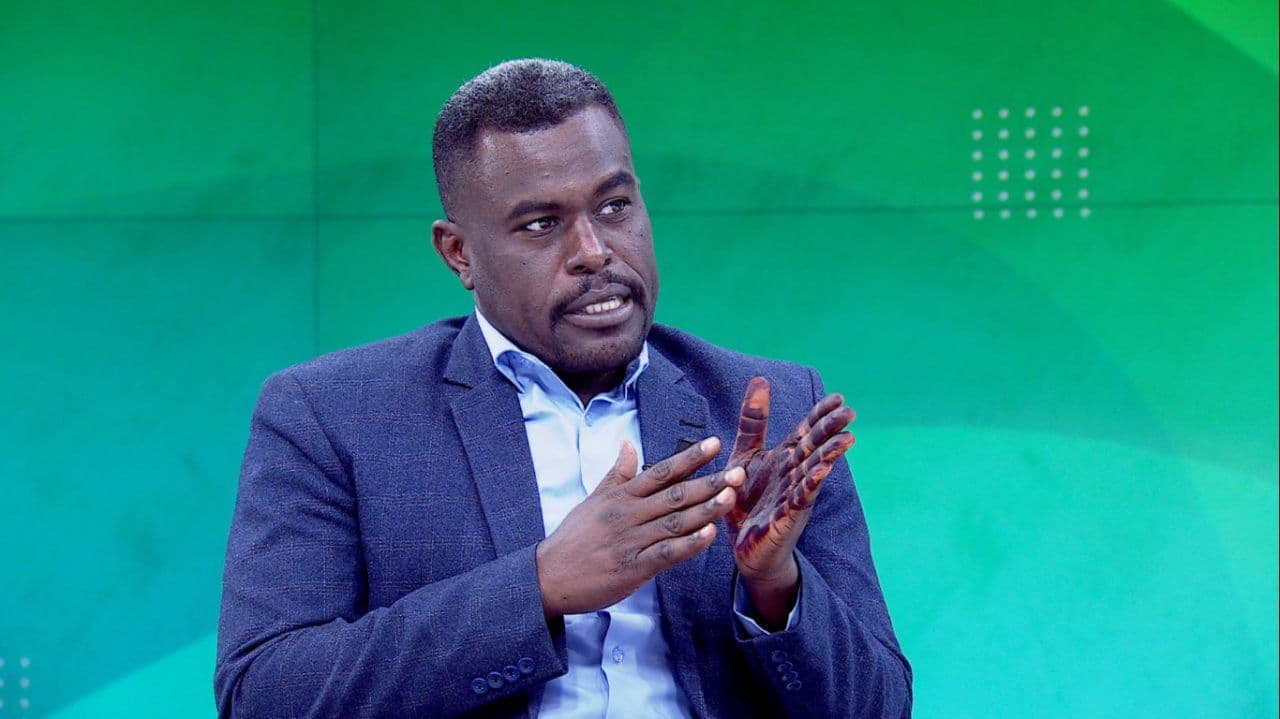
He lived through good times; and he has seen hell on earth unfolding – all in his beloved Sudan. When it became unbearable, he left the country he called home for more than thirty years, and suddenly and with little preparations, he became a refugee.
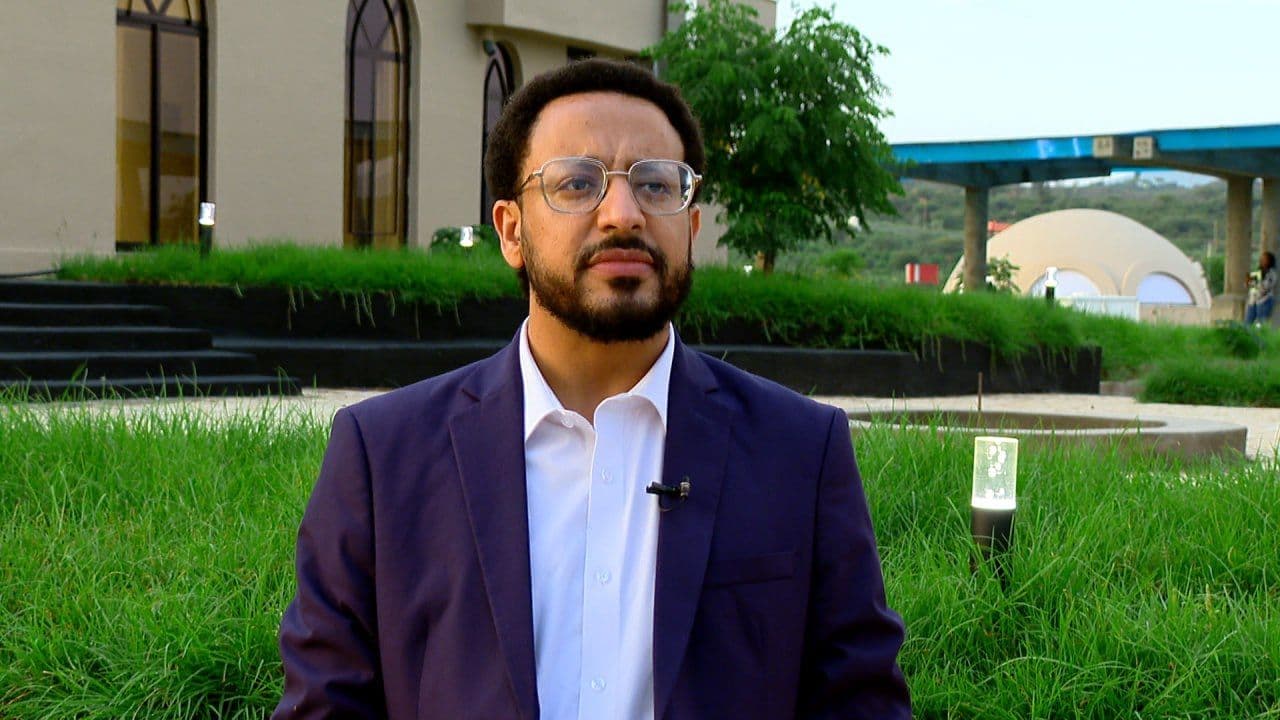
Salim Ismail Abualamah’s —he now runs an online journalism platform — story is one of resilience, hope, and deep longing for peace amid the turmoil of war. https://alsulta.net/
Recommended News
Hichilema Sets Out Second-Term Economic Targets
Zambia Secures $1.5 Billion US Health Deal After Data Privacy Controversy
In the bustling streets of Addis Ababa, he reflects on his arduous journey from his homeland. “Leaving Sudan was not an easy choice,” he says, his voice tinged with both pain and hope. “But when the conflict intensified, I had to prioritize my family’s safety above all else.”
Originally from a small village in North Kordofan, Salim Abualamah’s life was once peaceful, rooted in community and tradition. Yet the eruption of war transformed his world overnight, forcing him to abandon his home and seek refuge in Ethiopia. His story is emblematic of millions across Africa—individuals whose lives have been upended by conflict, environmental crises, and political instability, yet who continue to demonstrate resilience and hope.
Salim Abualamah’s journey began with the hope of reaching safety, but it was fraught with hardship. He recounts the perilous crossing into Ethiopia, navigating unsafe routes and relying on informal networks for survival. When he arrived in Addis Ababa, the hospitality extended by the Ethiopian government and local communities was a beacon of comfort amidst chaos. Initially, he benefited from the Ethiopian government’s waiver of residence permit fees, a gesture that underscored Ethiopia’s longstanding commitment to hosting refugees. However, as this exemption expired, Salim Abualamah faced new challenges—finding stable employment, accessing healthcare, and adapting to a new culture and language. Despite these obstacles, he remains optimistic, emphasizing the importance of community support and international aid. “Ethiopia has given us shelter,” he says, “but what we need now is sustainable opportunities for integration and growth.”
His personal journey underscores a broader regional reality: the Horn of Africa, home to over 20 million forcibly displaced persons, is a nexus of human mobility driven by conflict, climate change, and economic hardship. Ethiopia, in particular, stands out as a major refuge hub—hosting refugees from neighboring countries such as Sudan, South Sudan, Eritrea, and Somalia—while also grappling with internal displacement. The country’s strategic location, stable governance, and progressive refugee policies have positioned it as both a sanctuary and a crossroads of regional migration. Yet, hosting such large populations comes with significant challenges. Camps and settlements often face infrastructural strain, with shortages of clean water, healthcare, and educational facilities. Integration with local communities can be complex, sometimes resulting in tension over resources, but also offering opportunities for social cohesion and mutual development.
Ethiopia’s approach to refugee hosting has been characterized by a combination of humanitarian aid and policy innovation. The government’s decision to allow refugees to work, access education, and participate in livelihoods programs has been instrumental in fostering resilience and self-reliance among displaced populations. International agencies such as UNHCR and IOM have collaborated with Ethiopia to implement programs aimed at sustainable integration, emphasizing livelihood development, vocational training, and community engagement. Despite these efforts, the scale of displacement remains daunting, exacerbated by environmental stresses like droughts and floods, which threaten both host communities and refugees alike. https://ethiopia.un.org/en/317669-ethiopia-launches-groundbreaking-makatet-roadmap-ushering-era-refugee-inclusion
Salim Abualamah highlights this interconnectedness, noting that “the environment we share is fragile, and we must work together to protect it, for the sake of all our futures.”
The regional implications of displacement are profound. The Horn of Africa’s complex web of borders, ethnic groups, and shared histories makes it a region where migration and displacement are endemic, not exceptional. Historically, trade, kinship, and cultural exchange have blurred national boundaries, fostering a sense of interconnectedness that persists despite political divisions. Yet contemporary policies often treat migration as a security concern rather than an opportunity for regional development. This perspective hampers efforts to develop coordinated responses that could turn displacement into a catalyst for economic growth, social cohesion, and regional stability.
Nexus Between Migration and Integration
During discussions at the High-Level Inter-Elite Dialogue Forum in Jigjiga in May 2026 —this writer attended and reported on it — scholars, policymakers, and peace practitioners emphasized one message: the Horn of Africa does not lack movement—it lacks coordinated governance of that movement. https://pulseofafrica.info/news/3436
In an exclusive interview with The Pulse of Africa, Fowsia Abdulkadir (Ph.d), Research Director at Hankaal Institute for Peace and Policy Development in Jigjiga, Somali Region, stresses the importance of regional unity. “We need to build bridges, not barriers,” she advocates. “The Horn’s natural resources and youthful population are assets that can drive prosperity if harnessed collectively.”
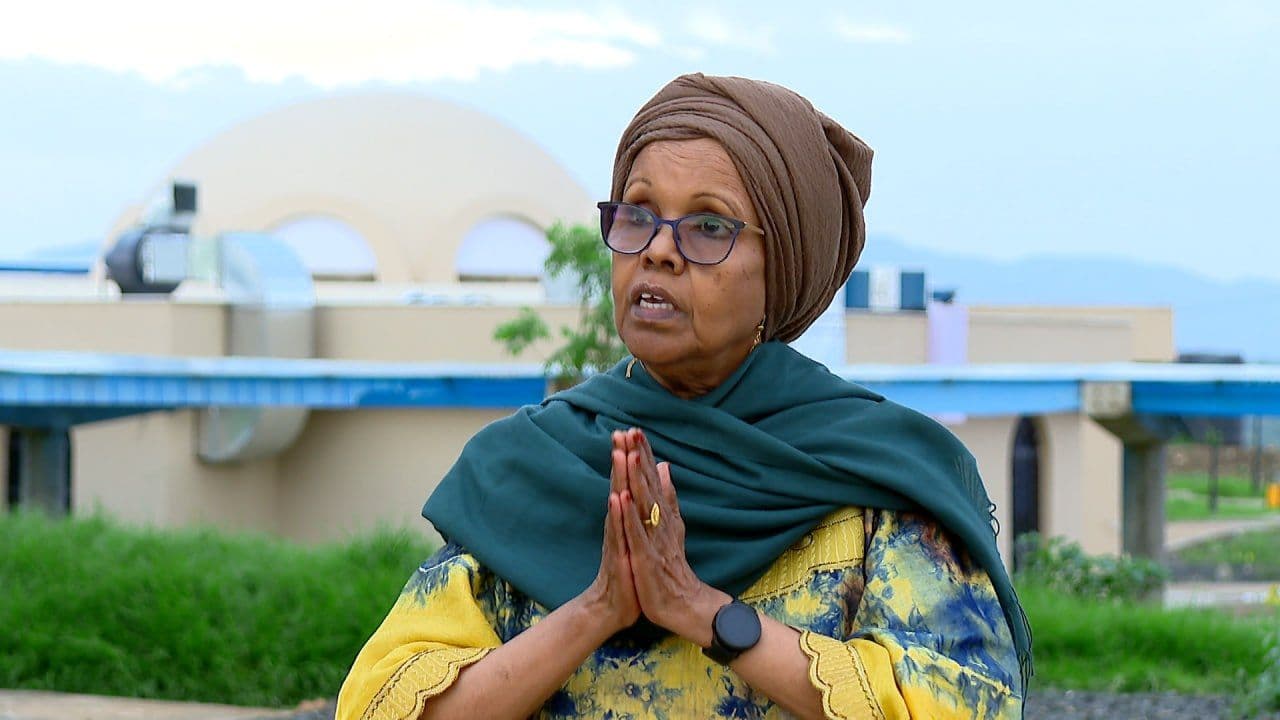
Her call for a shift from isolationist policies to regional cooperation echoes the sentiments of many policymakers and scholars who argue that migration governance must be rooted in trust, shared institutions, and mutual responsibility. Such an approach involves harmonizing border policies, facilitating legal migration pathways, and establishing cross-border migration and trade corridors that benefit both host and origin communities. https://www.hankaalinstitute.org/fowsia-abdulkadir/
Dr. Abdurahman Abdullahi Baadiyow, a Somali scholar, author, civil society activist, and co-founder of Mogadishu University, who has spent more than three decades working on reconciliation in Somalia, argues that the biggest obstacle to regional integration is political narratives, not people. “The people in this region are the same people. The problem does not lie with the people.”
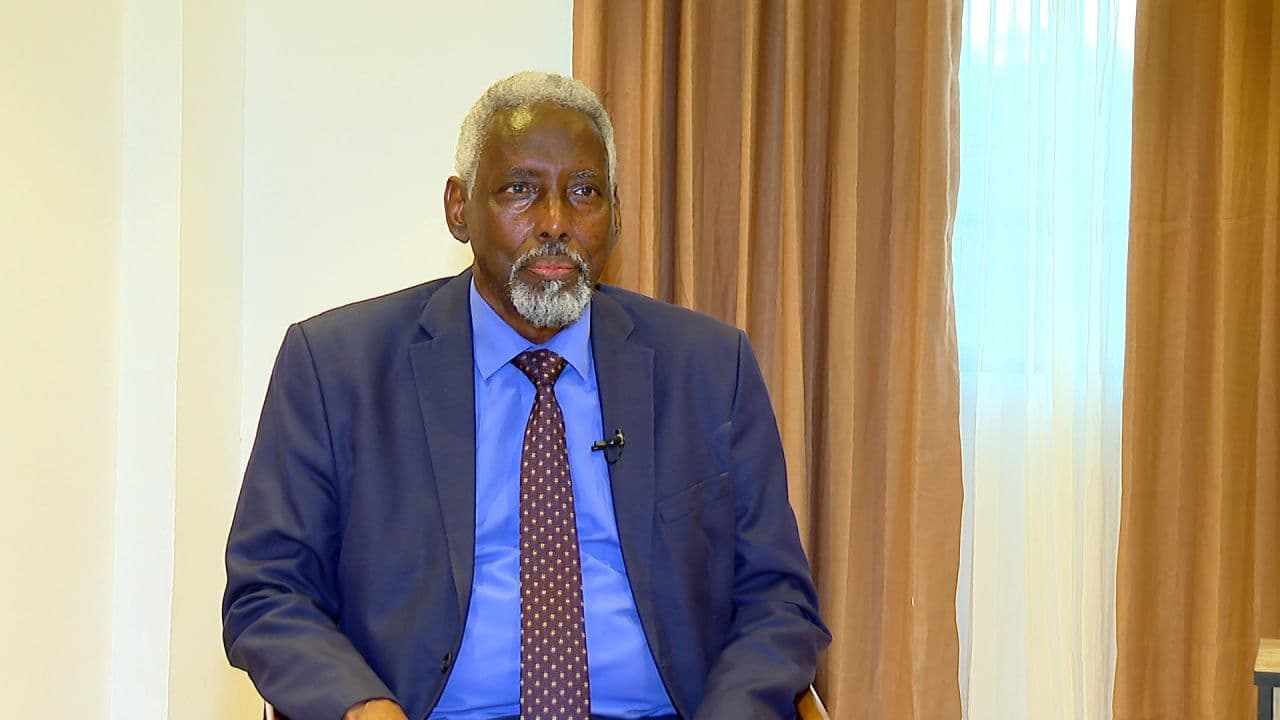
He says communities across the Horn already share strong social and economic ties and stresses the need for a shared future. “We must understand that our destiny is one. The future of our children depends on changing how we think and act.”
This vision of regional integration extends beyond mere trade and infrastructure. https://www.irad.so/governance/2
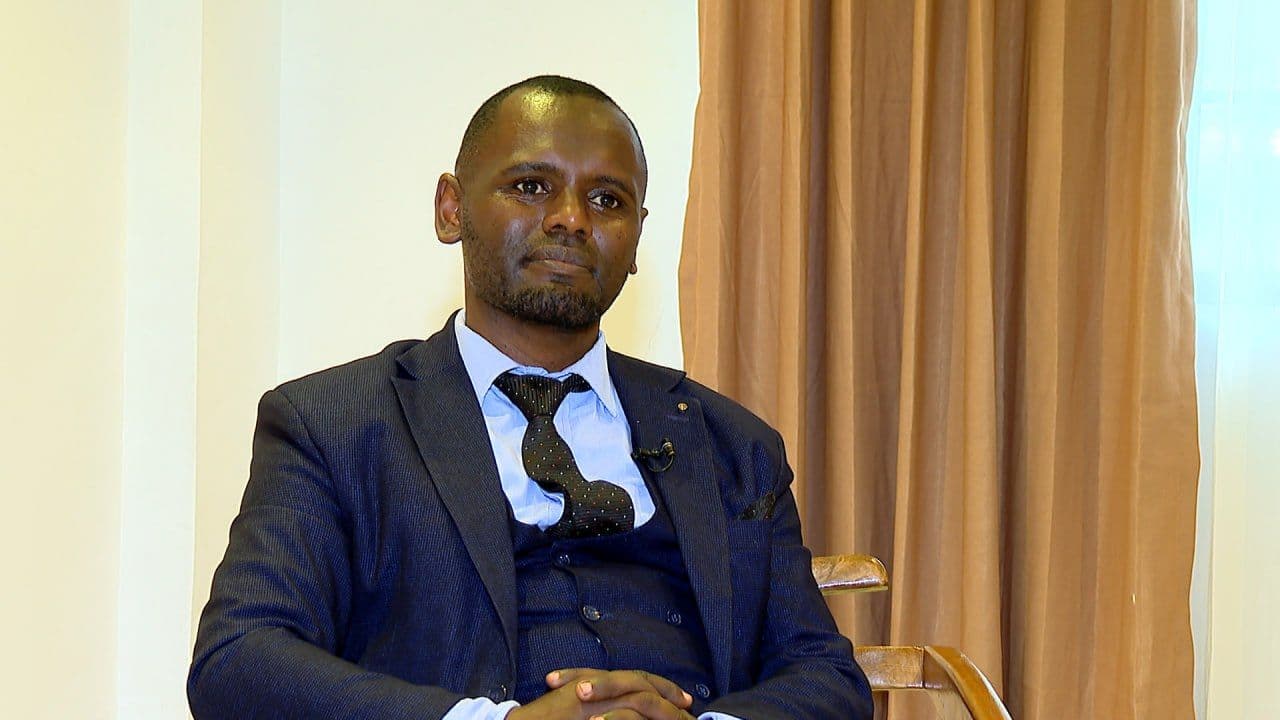
Peter Durito, Peacebuilding and Development Expert from Kenya, emphasizes that sustainable development requires political will to address security issues, labor mobility, and social inclusion. “Border regions are often seen as security frontiers,” he notes, “but they are also spaces of opportunity—zones where cooperation can build resilience and mutual trust.” Cross-border initiatives, such as joint water management projects and community dialogues, have proven effective in fostering cooperation and reducing tensions. https://www.linkedin.com/in/peter-durito-608ba429/
The Horn’s paradox—the coexistence of immense resource wealth and persistent poverty—further complicates regional prospects.
Jafar Bedru, Executive Director of IFA Ethiopia, describes this contradiction vividly: “Despite being one of the most naturally gifted regions in the world, we remain plagued by insecurity and underdevelopment.” Addressing this paradox requires a comprehensive regional strategy that leverages Africa’s natural assets while mitigating conflict and environmental degradation. It involves not only infrastructure investments but also fostering inclusive governance, conflict resolution mechanisms, and climate adaptation strategies.
Regional organizations like IGAD (Inter-Governmental Authority on Development) are pivotal in this effort. Their initiatives encompass migration management, climate resilience, and economic integration, aiming to create a cohesive regional framework for sustainable development. https://www.ifa.gov.et/
The IGAD Population and Migration Report 2025 highlights the importance of coordinated policies, noting that migration is a defining feature of the Horn’s social and economic landscape. Remittances alone reached $12.3 billion in 2022, underscoring migration’s vital role in regional economies. Yet, despite these positive indicators, underfunding and political fragmentation threaten to undermine progress. Strengthening regional institutions and fostering political consensus are crucial steps toward transforming migration from a crisis into an engine of growth. https://igad.int/the-igad-population-and-migration-report-2025-second-edition/
The Future: Productive Migration
Looking ahead, the future of the Horn of Africa depends on embracing regional integration as a strategic priority. The region’s young population, abundant resources, and strategic position on global trade routes offer tremendous potential—if managed with cooperation and foresight. The ongoing displacement crisis, while daunting, also presents opportunities for innovation in governance, development, and peacebuilding.
Salim Abualamah’s story exemplifies this potential: displaced persons can be drivers of change and resilience when supported by inclusive policies and regional solidarity.
In a nutshell, the Horn of Africa stands at a crossroads. Its history and geography have made it a hub of human mobility, and its future depends on whether its leaders and peoples choose unity over division. As migration and displacement continue to shape the region’s social fabric, regional cooperation must be prioritized—not merely as a humanitarian necessity but as an economic and political imperative.
The resilience of individuals like Salim Abualamah reminds us that beneath the surface of displacement lies a shared human spirit, capable of transforming adversity into opportunity when nations work together. The region’s destiny will be written by those who build bridges, foster trust, and harness the collective potential of the Horn’s diverse peoples—turning migration from a challenge into a cornerstone of regional renewal and prosperity.
Salim Abualamah hopes that one day, with peace returning to his country in particular and the Horn of Africa region in general, he will reunite with his beloved ones whom he left behind — wherever he may be at that point in time in the Eastern Africa region. That time of affluence must come for all of us, the people of the IGAD region!