Oct 29, 2025
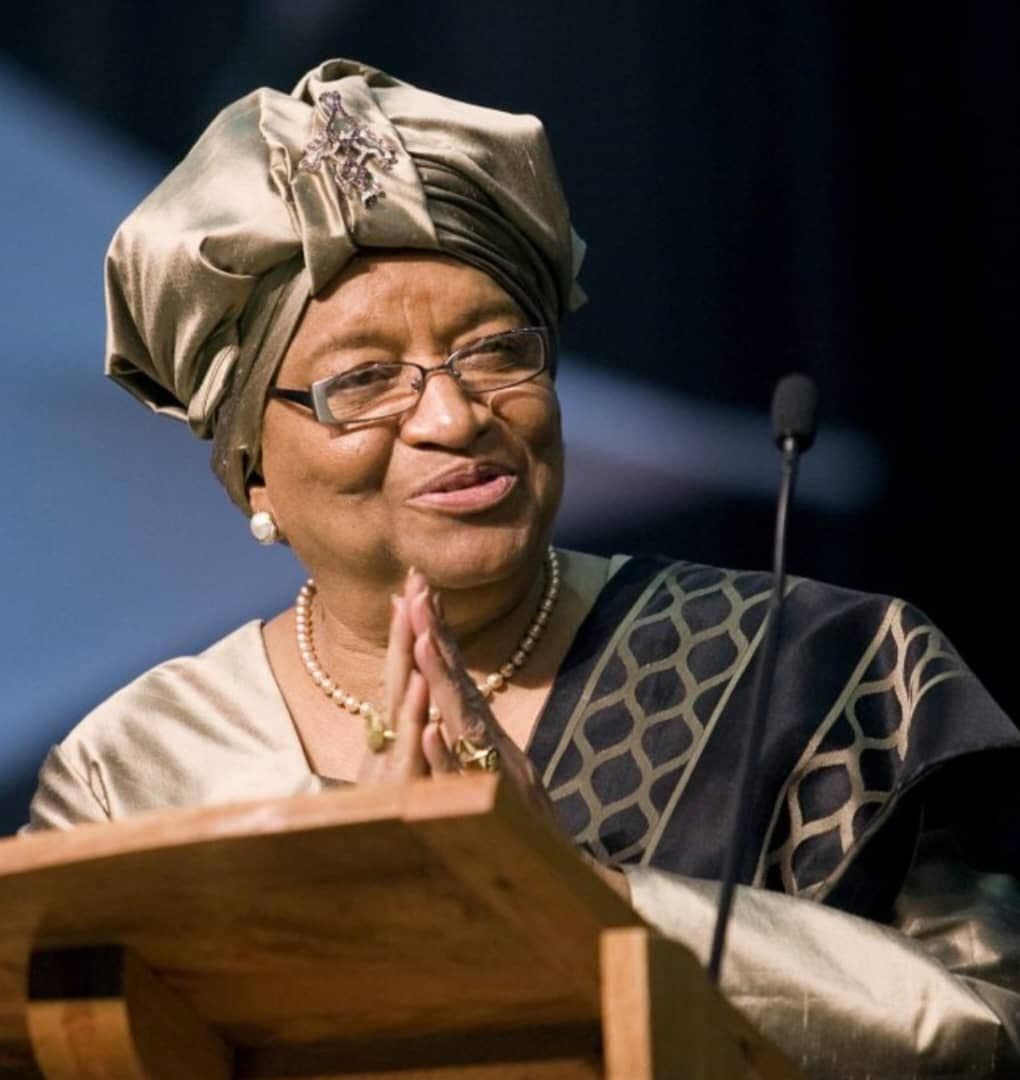
In a world often dominated by men, particularly in the corridors of power, Ellen Johnson Sirleaf stands as a towering figure of resilience, intellect, and trailblazing leadership. Born on October 29, 1938, in the Liberian capital of Monrovia, her journey from a young girl of mixed Gola and German heritage to the first elected female head of state in Africa is a testament to an indomitable spirit that refused to be quenched by war, imprisonment, or exile. Known globally as "Africa's Iron Lady," her life offers a powerful masterclass in perseverance, a commitment to public service, and the transformative power of a woman's resolve.
From Humble Beginnings to Harvard Halls
Sirleaf's early life was a blend of indigenous roots and Western education. Her father became the first indigenous Liberian to serve in the national legislature, a significant achievement in a society with deep social divisions. Her mother, a market woman, instilled in her a sense of tenacity. This unique upbringing gave her a nuanced understanding of Liberia's complex social fabric.
Her academic journey was equally impressive. After her initial education at the College of West Africa in Monrovia, she married James Sirleaf at the age of 17. But her thirst for knowledge was far from quenched. In 1961, she traveled to the United States to continue her studies, eventually earning a master's degree in public administration from the prestigious Harvard University in 1971. This academic grounding in economics and public policy would become a cornerstone of her future career.
A Trial by Fire: Clashing with Power
Upon her return to Liberia, Sirleaf entered government service, quickly making a name for herself with her sharp intellect and unwavering integrity. She served as Assistant Minister of Finance under President William Tolbert and later as Minister of Finance in Samuel K. Doe's military regime. In these roles, she was known for her fierce opposition to financial mismanagement, a stance that put her in direct conflict with the ruling powers.
Her principles came at a high personal cost. During Doe's brutal dictatorship, she was imprisoned twice and narrowly escaped execution. In 1985, after openly criticizing the military government during her campaign for a Senate seat, she was arrested and sentenced to ten years in prison. She was released after a short time and forced into exile, a period that would last for 12 years.
But even in exile, Sirleaf's star continued to rise. She became an influential economist for the World Bank, Citibank, and other major financial institutions. From 1992 to 1997, she served as the director of the Regional Bureau for Africa of the United Nations Development Programme, a role that deepened her understanding of the continent's challenges and potential.
The Ascent to the Presidency: A Promise of a New Dawn
Liberia, in the meantime, had descended into a brutal civil war. In 1997, with a fragile peace in place, Sirleaf returned to her homeland to run for president but lost to the notorious warlord Charles Taylor. Once again, she was forced into exile as Taylor's government charged her with treason.
The end of the second civil war in 2003 finally paved the way for a democratic transition. Sirleaf returned to chair the Commission on Good Governance, which oversaw the preparations for the 2005 elections. Campaigning on a platform of peace, anti-corruption, and national unity, the "Iron Lady" captured the imagination of a nation weary of conflict. On November 8, 2005, she made history, defeating football legend George Weah to become the 24th President of Liberia and the first democratically elected female head of state in Africa.
Leading a Nation from the Ashes
Taking the helm of a country ravaged by 14 years of civil war was a monumental task. The challenges were staggering: a shattered economy, decimated infrastructure, and a deeply traumatized population. With over 15,000 UN peacekeepers in the country and an unemployment rate of 80 percent, the road to recovery seemed almost insurmountable.
Yet, Sirleaf's presidency was marked by significant achievements. She secured billions of dollars in foreign investment and successfully negotiated the cancellation of Liberia's crippling external debt. Her administration established a Truth and Reconciliation Committee to address the wounds of the civil war and heal ethnic divisions. The national budget saw a dramatic increase, and the country experienced a period of economic growth.
In 2011, her tireless efforts were recognized on the global stage when she was awarded the Nobel Peace Prize, alongside Leymah Gbowee of Liberia and Tawakkul Karman of Yemen, for their non-violent struggle for the safety of women and for women's rights.
A Legacy of Resilience and Inspiration
Sirleaf's two terms as president were not without criticism. She faced accusations of not doing enough to combat corruption and of nepotism for appointing family members to government positions. However, her supporters argue that she made significant strides in stabilizing the nation and laying the groundwork for a more prosperous future.
Perhaps one of her most enduring legacies is the powerful message her life sends to women and girls across Africa and the world. She shattered the ultimate glass ceiling, proving that a woman could lead a nation out of the darkest of times with strength, intelligence, and grace. As she once said, "If your dreams do not scare you, they are not big enough."
Ellen Johnson Sirleaf's story is a compelling narrative of a woman who faced down dictators, rebuilt a nation, and inspired a continent. It is a story of a leader who, in her own words, was determined that "this child will be great." And in becoming a beacon of hope and a symbol of what is possible, she undoubtedly fulfilled that prophecy, leaving an indelible mark on the history of Africa and the world.