Thirteen Months, One New Beginning
Sep 11, 2026
Save
By Staff Writer
Inside Ethiopia's Enkutatash Celebration
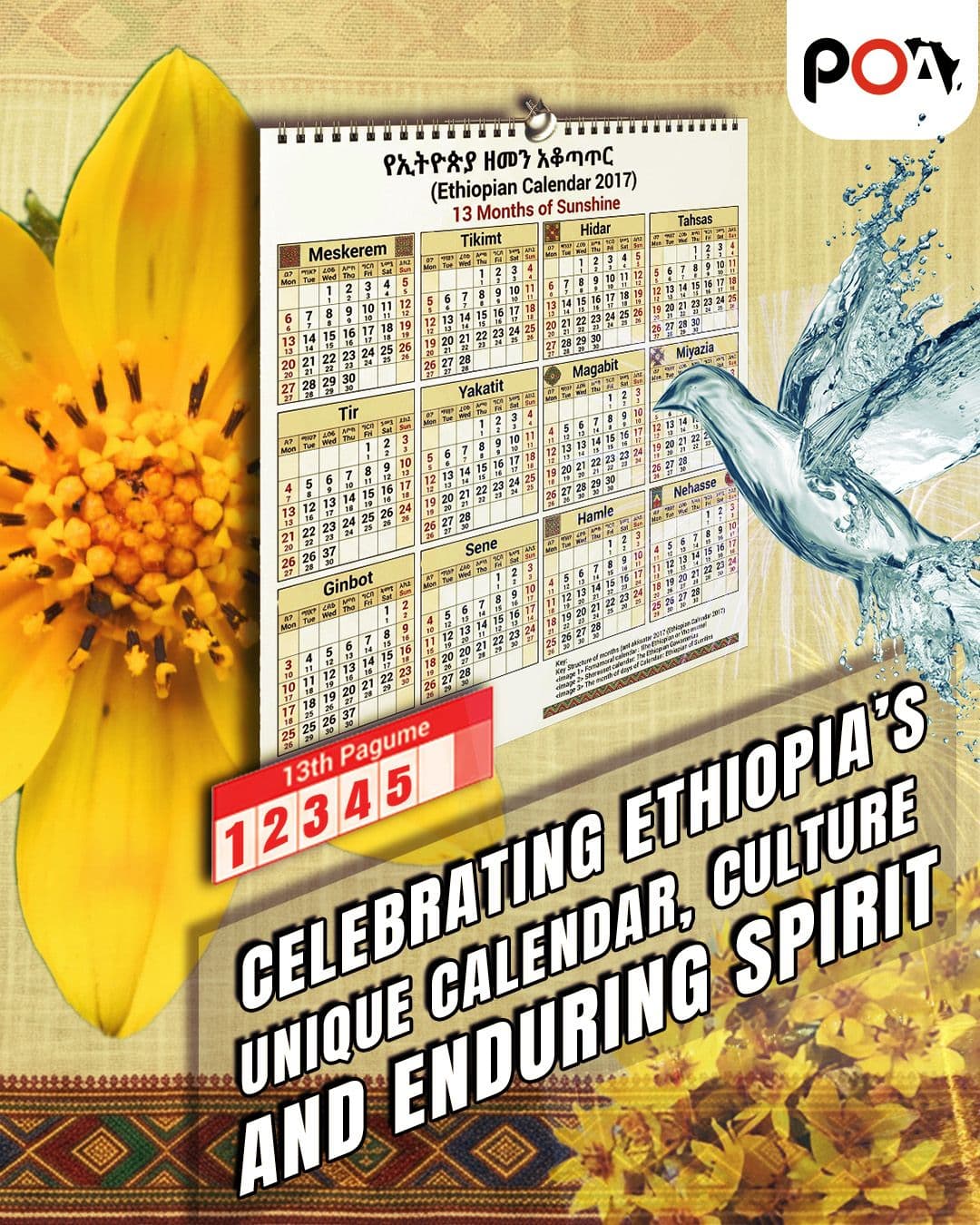
When a foreigner arrives in Ethiopia in September, and suddenly being greeted with a cheerful “Happy New Year!” It’s a moment that can make you do a double-take, glancing at your calendar to see if you’ve somehow traveled back in time. But no, it’s not a mistake—this is Ethiopia’s New Year, known as Enkutatash, celebrated on Meskerem 1, the first day of their unique calendar. Enkutatash falls on September 11, 2026, and this begins 2019 Ethiopian Calendar
For visitors, this unexpected greeting offers a glimpse into a different way of experiencing time—where a new year is not confined solely to January but is celebrated twice, each with its own significance and charm.
Recommended News
ECOWAS Warns West Africa Lacks Action on Climate Crisis
A Country with Two New Years
Ethiopia observes the Gregorian calendar alongside its traditional calendar, giving January 1 a place in modern civic and international life while Enkutatash remains the traditional Ethiopian New Year. This calendar is distinctive: it has 13 months—twelve months of 30 days each, plus a short 13th month called Pagume, which has five days (or six in leap years). Its year count is about seven to eight years behind the Gregorian system. So while the rest of the world is preparing to welcome 2026, Ethiopians are gearing up for 2019.
But this isn’t merely about being “behind.” It’s a different way of looking at the passage of time—one rooted in history, religion, and tradition. To Ethiopians, the New Year in September is a celebration of renewal that resonates through every aspect of life, culture, and spirituality. For outsiders, it’s an enchanting chance to see another rhythm of life—one that celebrates rebirth not just with dates, but with sights, sounds, and stories.
Nature’s Grand Celebration
Perhaps the most breathtaking part of Enkutatash is how nature seems to join in the festivities. For much of the Ethiopian highlands, September comes as the long rainy season begins to give way to clearer skie transformed the highlands into lush, vibrant green landscapes, with streams flowing and the air feeling fresh and clear. And then, as if on cue, the flowers bloom.
Across the highlands, the golden Adey Abeba flowers burst into bloom, carpeting hillsides and fields with bright yellow. To many Ethiopians, these flowers symbolize the New Year—like nature itself is dressing the land in celebration. For visitors, the sight is extraordinary: the transition from grey skies and brown earth to a landscape alive with vivid greens, golden blooms, and clear blue skies. It’s as if the land has decorated itself to welcome a new beginning.
The Sound of the New Year
As the celebrations unfold, the streets come alive with music and laughter. Children, dressed in colorful traditional clothes, walk from house to house singing joyful New Year songs, carrying bouquets of flowers. Their voices announce the arrival of the new season, filling neighborhoods with a lively, communal spirit.
Girls traditionally visit homes singing New Year songs and presenting bouquets of flowers, while boys and young men are associated with the Hoya Hoye tradition, particularly during the nearby Buhe festival
For travelers and photographers, this is a perfect moment to witness Ethiopia’s vibrant culture—where celebration isn’t about large crowds or commercial displays, but about community, tradition, and shared joy.
Faith and Family
Enkutatash also carries religious significance. The date coincides with the feast of St. John the Baptist, and many Ethiopians attend church services filled with color, hymns, and prayers. Religious ceremonies, particularly in highland churches and around Addis Ababa, add a spiritual dimension to the holiday.
But beyond the religious roots, the New Year is a time for family and community. Families reunite, visits are exchanged, and the table is filled with traditional foods like injera and wat. The Ethiopian coffee ceremony—an integral part of social life—becomes a symbol of hospitality and connection. Sharing a meal or a cup of coffee isn’t just about sustenance; it’s about strengthening bonds and welcoming the new season together.
The Night Before: Fires and Transition
In some communities, particularly among Orthodox Christian communities, families and neighbours light wooden torches or fires known as chibo representing the transition from the rainy season to the bright, promising days ahead. People gather around these fires, singing, dancing, and celebrating the end of one chapter and the beginning of another.
It’s a powerful image—flames flickering in the night, embodying hope, renewal, and collective anticipation. The old year is fading away, and a new one is about to dawn.
The Legend Behind “Enkutatash”
According to Ethiopian tradition, the name is linked to the story of Queen Sheba's return from Jerusalem, when she was welcomed with precious jewels. Whether viewed as history, myth, or tradition, this story adds a layer of richness to the celebration, connecting Ethiopia’s ancient past with its present.
Experiencing Enkutatash
For travelers, participating in or witnessing Enkutatash offers a rare opportunity to see Ethiopia’s vibrant culture firsthand. You can walk through bustling Addis Ababa, watching flower sellers prepare yellow bouquets. With respect and curiosity, you might visit a local family, listen to children’s songs, and observe the warm exchange of greetings.
Travel to the countryside to see fields of yellow flowers, or join a church service to experience the spiritual side of the celebration. Engage in a traditional coffee ceremony, taste the festive dishes, and listen to the sounds of New Year songs echoing through neighborhoods.
Most importantly, talk with Ethiopians about what the New Year means to them. Their stories will likely reveal that Enkutatash is more than a date on the calendar—it’s a heartfelt invitation to renew hope, reconnect with loved ones, and embrace life’s continual new beginnings.
A New Perspective on Renewal
For decades, images of Africa have often focused on hardship and crisis. Enkutatash offers a different story: one of hope, resilience, and cultural richness. It’s a celebration of life, nature, faith, and community—woven into the very fabric of Ethiopian identity.
And perhaps the most inspiring realization is this: Ethiopia's calendar offers two moments of renewal: January 1, familiar to the modern global calendar, and Meskerem 1, the traditional New Year. In September 11, when the rains have washed the land clean, flowers bloom anew, and families gather to say, once again, “Melkam Addis Amet”—Happy New Year.
For visitors, that second invitation to begin again might just be the most charming surprise of all. Because in Ethiopia, the New Year isn’t just a date—it’s a beautiful new chapter waiting to be written.