Egypt-Backed Eritrea Makes Destabilization Regional Modus Operandi: Former Tigray Interim Administration Chief
Sep 18, 2026
Save
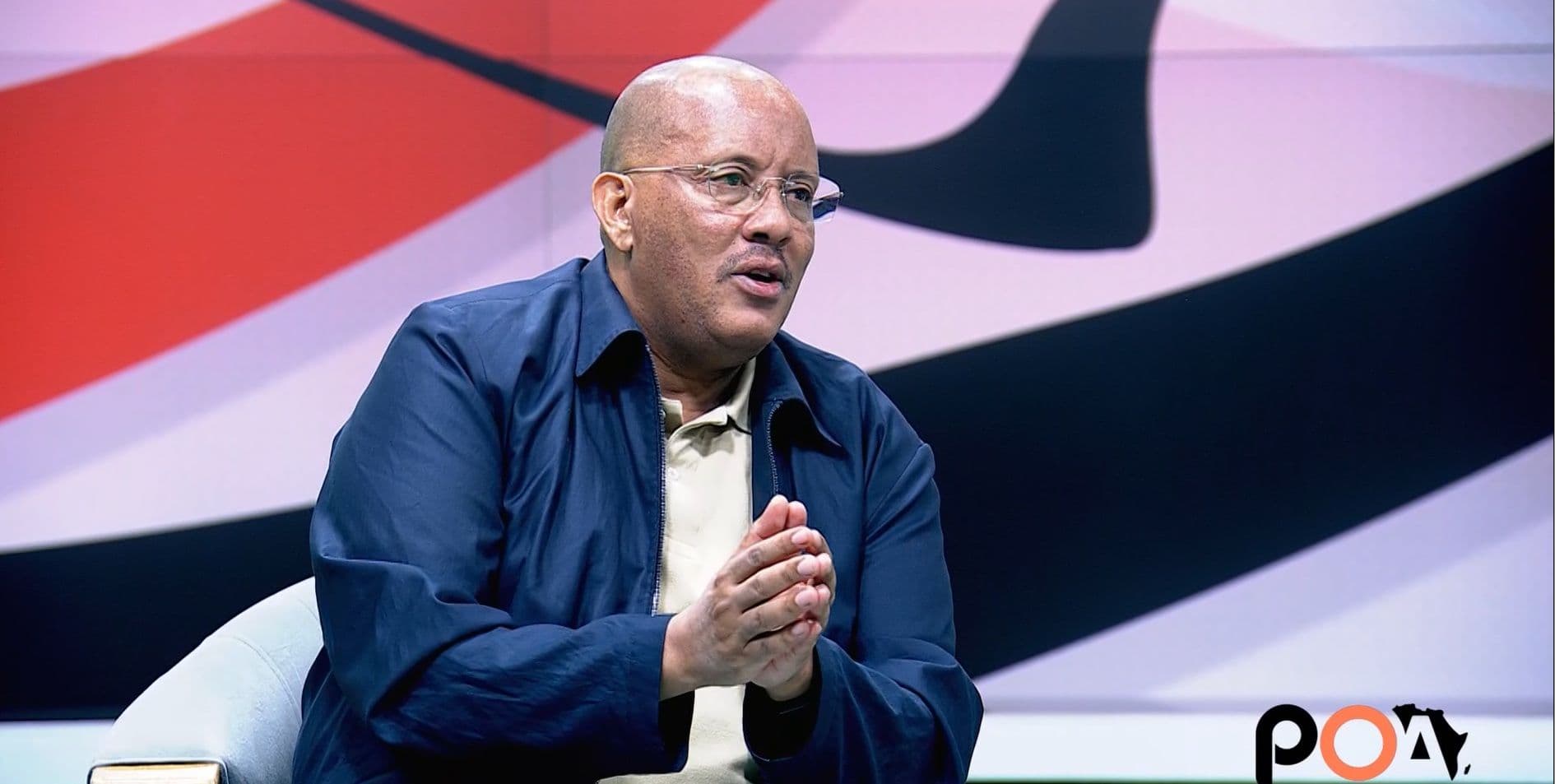
The Eritrean regime has made conflict and regional destabilization central to its pursuit of influence in the Horn of Africa, former Tigray Interim Administration President Getachew Reda revealed, accusing Egypt of providing direct backing.
Getachew who is now the Minister and Advisor to the Ethiopian Prime Minister on East African Affairs argued that President Isaias Afwerki is focused less on building a secure and stable Eritrea than on asserting power across the region.
Recommended News
Sudanese Analyst Says PM Abiy’s Sudan Initiative Wins Considerable Support from Public, Parties
DR Congo, Zambia Deepen Energy Cooperation Through Major Power Project
He argued that the Eritrean president’s modus operandi is to involve himself in conflicts beyond Eritrea’s borders, using political and armed groups to advance his strategic interests while keeping the direct costs of confrontation away from Eritrea.
“He’s not interested in a safe, sane and normal Eritrea. He’s not interested in a sane, normal region. He’s more interested in asserting his authority, lording it over the rest of the region, and his modus operandi is to be involved in every destabilizing activity in the region,” Getachew said.
Speaking exclusively to The Pulse of Africa, Getachew said Eritrea is working to widen the conflict by involving armed groups and encouraging the deployment of young people beyond Ethiopia’s borders.
Getachew argued that Isaias is strategically avoiding direct support for Sudanese General Abdel Fattah al-Burhan. Instead, Isaias wants Tigrayan forces to shoulder the combat and casualties, “because, in his assessment Eritrea faces severe structural limits that prevent it from deploying its own military abroad.”
He drew particular attention to the demographic challenges facing Eritrea, noting the continued departure of many young Eritreans who have sought refuge in different countries due to unbearable conditions at home.
Getachew also argued that the Eritrean army is primarily focused on protecting the president and the regime.
As a result, he said, the Eritrean leadership can instead rely on other armed groups willing to do the fighting and bear the casualties, whether Fano, the Oromo Liberation Army (OLA), or forces associated with the defunct TPLF.
According to Getachew, the TPLF is now sending thousands of young people to Sudan—young people who, he argued, should instead be in school or other educational institutions, and who may have little understanding of the circumstances surrounding the conflict.
By doing so, Getachew said, Eritrea is attempting to distance itself from direct involvement in the conflict while ensuring that instability remains farther from its own territory and is pushed southward, toward areas beyond its immediate borders.
He further alleged that the TPLF had been given “marching orders” to provoke clashes with federal forces and to bring the conflict deeper into Ethiopia by establishing links with armed groups in Amhara.
According to Getachew, Isaias’s objective is to preserve the stability of his regime by exporting conflict into Tigray and Amhara, with the TPLF and Fano allegedly playing a role in carrying out this strategy. He argued that such a strategy would not serve the interests of the people of Tigray but rather the interests of the TPLF leadership and Isaias Afwerki.
Getachew further maintained that the TPLF has abandoned its original political cause in favor of aligning itself with the Eritrean regime, motivated by a shared objective of confronting what they describe as the “common enemy”—a reference to the Ethiopian federal government.
He said the people of Tigray and Amhara would ultimately bear the greatest cost of such an alignment.
Although the TPLF and Eritrean government were once mortal enemies, Getachew argued that the interests of regime survival and political expediency have brought them together. He emphasized that Isaias Afwerki is no novice when it comes to this kind of regional maneuvering, saying that he has pursued similar strategies for decades.
Getachew accused the Eritrean government of seeking to keep Ethiopia unstable by coordinating with various groups opposed to the federal government. He further accused Egypt of providing support to Eritrea in these efforts. “President Isaias has support in this endeavor from the likes of Egypt. We know for a fact.”
He said former adversaries had set aside their differences in pursuit of a common objective, warning that such alliances could ultimately deepen instability across the Horn of Africa.
Getachew described the alignment between the TPLF and Eritrea as a marriage of convenience between “strange bedfellows” who cannot agree on major political issues, calling the arrangement a prescription for disaster.
“I don’t lose sleep over that particular issue,” Getachew said, referring to the alliance.
Politics is often described as “the art of the possible.” Yet, Getachew Reda argued, the latest alignment demonstrates how political interests can bring together even former adversaries—showing, in this case, that politics can also become the art of the impossible.
Despite the escalating tensions, Getachew said the Ethiopian federal government has so far exercised “maximum restraint” in response to what he described as provocations.
“The federal government has exercised maximum restraint so far, despite provocations here and there,” he said, adding that the government had largely pursued a containment strategy.
He cautioned, however, that the situation could change if armed groups initiate attacks against federal forces, potentially transforming a localized confrontation into a broader national and regional conflict.
The advisor stressed the need for the international community to exert pressure on the Eritrean government and other actors he described as spoilers of peace to prevent another devastating war in the region.