Summit Calls for Investment Toward Independent Seed Technologies
Oct 6, 2026
Save
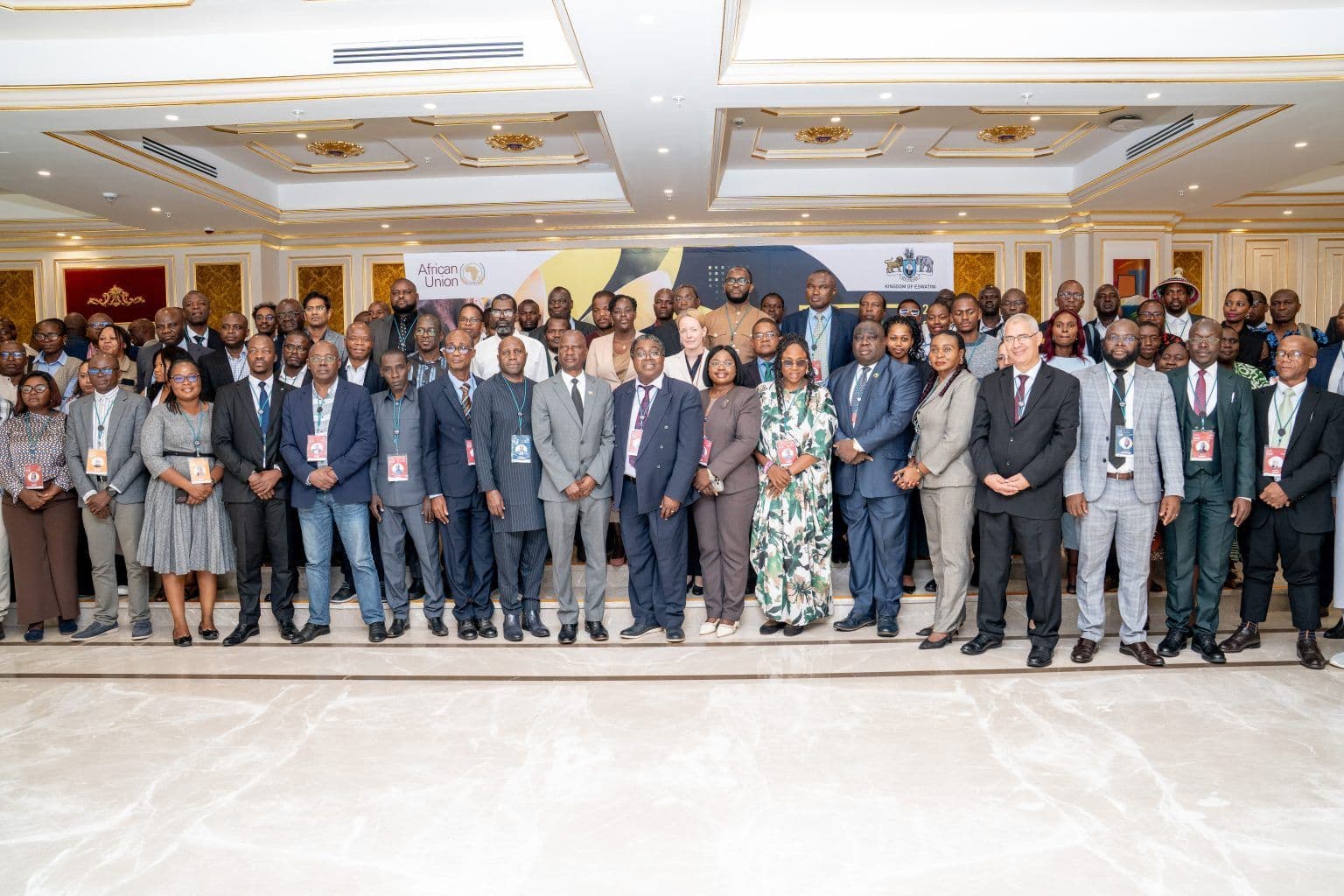
African agriculture ministers, seed industry leaders, development partners, and farmers' organizations have opened the Africa Ministerial Seed Summit 2026 in Mbabane, Eswatini, calling for urgent investment in climate-resilient seed systems and an end to Africa's dependence on agricultural technologies developed outside the continent.
The summit, being held from 5 to 7 October 2026 under the theme "Resilient Seed Systems for a Food-Secure Africa," was convened by the African Union Commission and officially opened by Eswatini's Minister of Agriculture Mandlena Shiauka.
Recommended News
Ethiopia Calls for Stronger Global Partnerships to Boost Africa’s Peacekeeping Capacity
It brought together agriculture ministers from across AU member states to review the revised ten-year Africa Seed and Biotechnology Program, the Seed Sector Performance Index, and the AU Farmer-Managed Seed Systems Policy Framework.
Acting Director for Agriculture and Rural Development at the African Union Commission, Hassen Yambe, delivered opening remarks on behalf of AU Commissioner Moses Vilakati, warning that Africa's food security ambitions cannot be realized without a fundamental strengthening of seed systems.
He said seeds are not merely farm inputs but vehicles through which scientific advances reach farmers' fields and that cross-border trade of seeds across African countries remains unnecessarily difficult.
Eswatini's Minister of Agriculture Mandlena Shiauka officially opened the summit, telling delegates that seed sovereignty is a prerequisite for food sovereignty and that Africa cannot achieve agricultural transformation while remaining dependent on external sources for critical inputs.
He said investment in seed means investment in African researchers, scientists, multipliers, and farmers, and that the continent must become a developer, producer, and exporter of agricultural knowledge and technology rather than a consumer of what is developed elsewhere.
He noted forecasts of a looming super El Niño event, saying only countries with the right seeds would have a chance of producing food under those conditions.
The summit is expected to adopt the Eswatini Declaration on Africa's Seed Systems, setting out political commitments on investment mobilization, policy harmonization, private sector engagement, and the acceleration of climate-resilient seed development.
Delegates are also examining how the African Continental Free Trade Area can be used to ease cross-border seed trade, and how development finance institutions can be structured to reduce risks for private investors entering the African seed sector.