South Sudan Envoy: 2027 Polls Will Finally Let Citizens Choose Leaders
Nov 25, 2026
Save
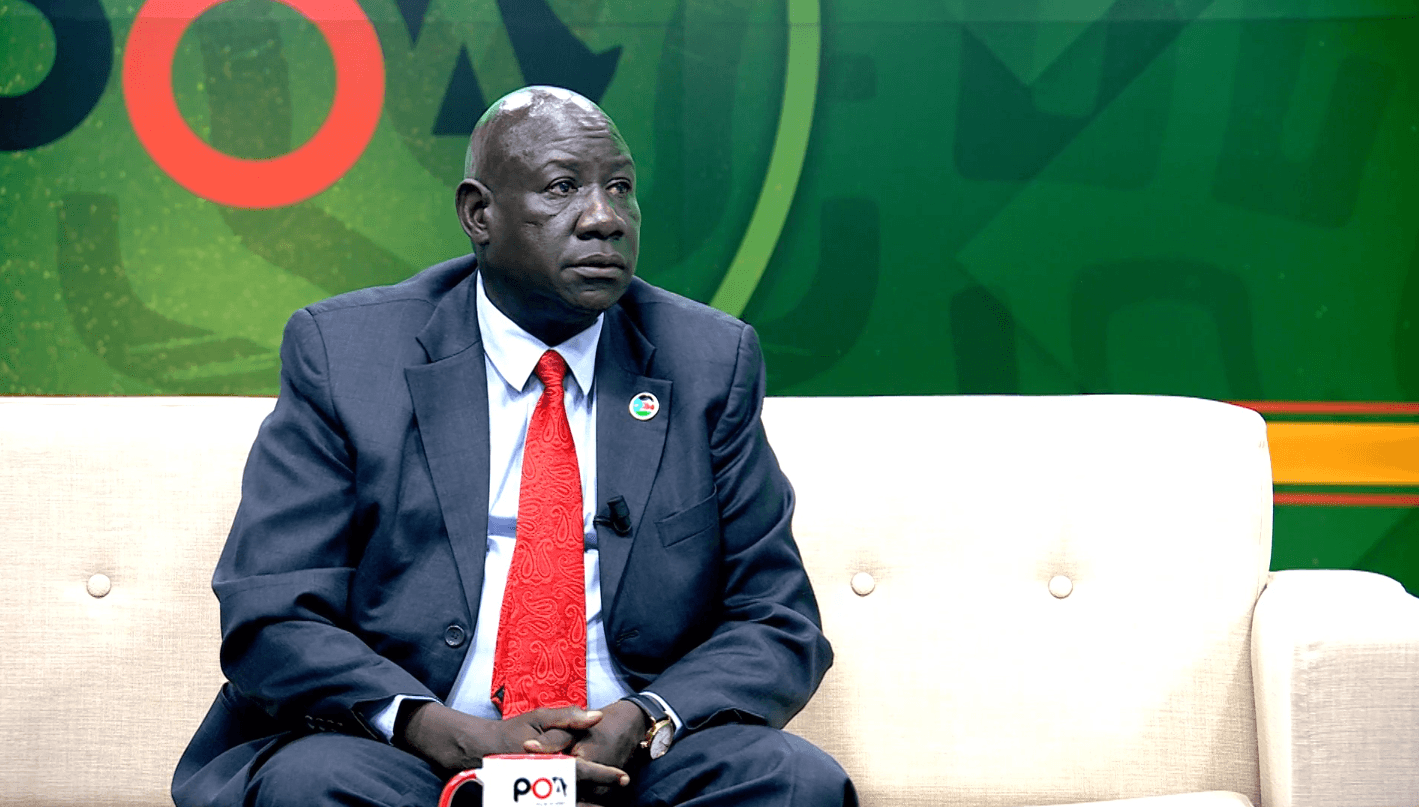
South Sudan is preparing for its first general election since gaining independence in 2011, a milestone its top diplomat in Addis Ababa calls a "historic opportunity" for citizens to finally choose their leaders.
In an exclusive interview with the Pulse of Africa, Ambassador Baak Valentino Akol Wol—who also serves as Permanent Representative to the African Union—said the February 11, 2027 vote will mark a decisive shift away from power-sharing transitional governments formed through peace deals.
Recommended News
Inside Ethiopia’s High-Stakes Push to Join the WTO
Said Ambassador Wol: “Fifteen years ago when South Sudan became an independent state, we have never had any election. So, it is a historic event. People are geared up and they are prepared for it. Previously, we had governments that came as a result of peace talks and peace agreements, transitional governments, and now people feel that this time that they have been given the opportunity to elect the people that will represent them.”
Ambassador Wol said the National Elections Commission had established new leadership, recruited personnel and put logistical arrangements in place, while voter registration began on November 14.
On election security, he said the government had recruited, trained and graduated more than 50,000 police officers to help safeguard voters, candidates and the general public.
“In fact, they have recruited, trained, and graduated over 50,000 police officers. That will make sure that the elections are safe for everybody, for the voters, for the contestants, the politicians, and the general public,” Wol said.
The ambassador also pointed to dialogue involving political parties and mechanisms for resolving electoral disputes, saying disagreements should be addressed peacefully rather than through violence.
However, the February 2027 date represents another postponement of South Sudan’s first national elections, with the polls previously scheduled for December 22, 2026. Concerns over insecurity, funding constraints and political consensus continue to feature in assessments of the country’s electoral preparedness.
Ambassador Wol said constitutional review would continue after the elections, with the process of developing a permanent constitution expected to proceed under the next government and parliament.
Turning to regional cooperation, Ambassador Wol highlighted plans to strengthen economic ties with Ethiopia, including cross-border highway projects intended to facilitate trade, investment and people-to-people relations.
“We are now embarking on ensuring that our socioeconomic development is coordinated. We are thinking of big projects like building highways to connect South Sudan with Ethiopia, to encourage trade, to encourage investment, to encourage people-to-people cooperation,” he said. “And I said earlier on, we are one people. We have shared communities. We have shared interests, economic interests. So, our relations with Ethiopia can only get stronger every day.”
Originally mandated for 2015 under the transitional constitution, the polls have been postponed six times due to the outbreak of the South Sudanese Civil War, incomplete institutional preparations, and delays in implementing the 2018 Revitalized Peace Agreement.
Following the most recent delay from December 22, 2026, announced by the South Sudan National Elections Commission on November 14, 2026, the revised calendar schedules voter registration from November 14 to November 28, 2026, and official campaigning from December 27, 2026, to February 9, 2027.