Ethiopia’s Abay River Development Requires No External Permission, Prime Minister Tells Parliament
Nov 26, 2026
Save
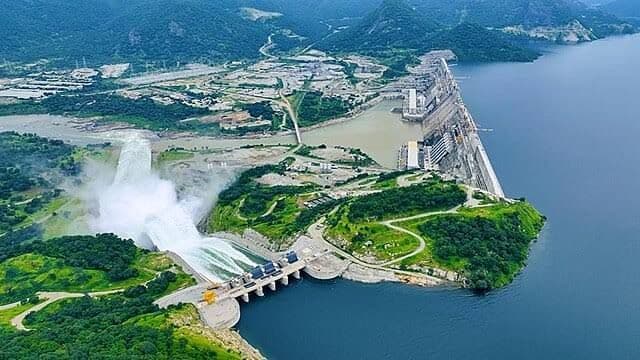
Ethiopian Prime Minister Abiy Ahmed affirmed before the House of Peoples’ Representatives today that Ethiopia’s utilization of the Abay (Blue Nile) River is an inherent right that requires no external authorization, while simultaneously emphasizing a commitment to equitable sharing and mutual growth with downstream neighbors.
Addressing lawmakers’ questions on regional diplomacy and water resources, the Prime Minister described the Abay River as a "divine gift" to Ethiopia, stating that the country is determined to utilize its water resources to lift its citizens out of poverty and generate energy.
Recommended News
Sudanese Analyst Says PM Abiy’s Sudan Initiative Wins Considerable Support from Public, Parties
DR Congo, Zambia Deepen Energy Cooperation Through Major Power Project
"Abay is a potent remedy given to us by the grace of God, and we will use it. We do not need anyone’s permission for that," Prime Minister Abiy told parliamentarians. He also noted that the natural course of the river cannot be obstructed, using it as a metaphor for Ethiopia's inevitable development and regional integration.
However, the Prime Minister framed Ethiopia’s water policy around shared responsibility rather than unilateralism. He stated that while Ethiopia asserts its sovereign right to develop the river, it remains committed to ensuring that downstream nations—specifically Egypt and Sudan—receive their fair share of water.
"Abay does not belong to us alone; it is also the rightful share of our neighbors, which we respect and protect for them," he explained. "We work with a sense of responsibility so that Egypt and Sudan get sufficient water. We have no desire to use it exclusively; we will use it lawfully, assist, and cooperate."
During his address, Prime Minister Abiy pointed out that Ethiopia serves as a vital source of freshwater for nearly all its neighbors including Eritrea via the Tekeze River, as well as Somalia, Kenya, Sudan, and Djibouti, noting that the country has never sought to block these lifelines. He welcomed recent media reports of agricultural expansion in Egypt, stating that Ethiopia wishes to see Egyptian agriculture thrive alongside Ethiopia’s energy sector through mutual cooperation.
The Prime Minister also linked the country's vast water resources to its broader "Grand Strategy," explaining that Ethiopia’s primary challenge is converting its abundant natural potential into tangible capabilities—specifically transforming water into food and energy security to end poverty.
Concluding his remarks on regional relations, Abiy urged for educational and public narratives that promote brotherhood rather than hostility between Ethiopians and the peoples of Sudan, Egypt, Djibouti, and Eritrea, asserting that a prosperous and stable Ethiopia acts as a shade-giving sycamore tree by a spring, bringing vitality to all its neighbors.